Skin Nerd: Healthy habits to help ease acne-prone skin

Adult-onset acne (both on the face and body) can be triggered by hormones, and can occur completely out of the blue after years of having blemish-free skin.
If you suffer from acne, you are not alone. Often misconstrued as an issue purely experienced by those going through puberty, acne is actually an incredibly common skin condition that can affect people of all ages. In fact, research has shown that 85% of the population in developed countries have had acne — myself included. Whilst acne is most prevalent in teenage males, it’s normal to get spots regularly in adulthood. Acne can play a huge part in how you feel, so firstly it is important to stress that there is no need to feel shame — having acne doesn’t mean you have bad hygiene habits. It is caused by the overproduction of sebum (oil), a process which accelerates during the teenage years due to fluctuating hormones. Adult-onset acne can also be down to hormones and can occur completely out of the blue after years of having blemish-free skin.
While there is no miracle cure for acne, with time and the correct advice, it’s something that can be managed. Before looking into skincare, I recommend seeking advice from your GP. A GP may recommend a topical treatment, antibiotics or a combination, and they will work alongside skincare to improve your skin. June was Acne Awareness Month, so I want to share some of my tips on how to keep your skin as clear as possible, and hacks to reduce the lifespan of your blemishes.
Begin by double-cleansing your skin in the morning and evening with a gentle, non-stripping cleanser. The key here lies in being gentle and not over-washing or disrupting the skin barrier by using drying foam washes. Follow with a non-comedogenic serum (which doesn’t clog pores). Vitamin A is a good choice as it tackles oil production and speeds up the healing process. Finish your morning routine with a non-comedogenic SPF to protect your skin, which is even more crucial when using vitamin A.
Salicylic acid is the secret weapon for acne-prone skin. Salicylic acid is a beta hydroxy acid which penetrates pores to dissolve blockages and helps to tackle breakouts before they can start, as well as treating them during their lifecycle. This is a potent ingredient, so instead of using it daily, mix a salicylic acid-based cleanser into your routine three evenings per week.
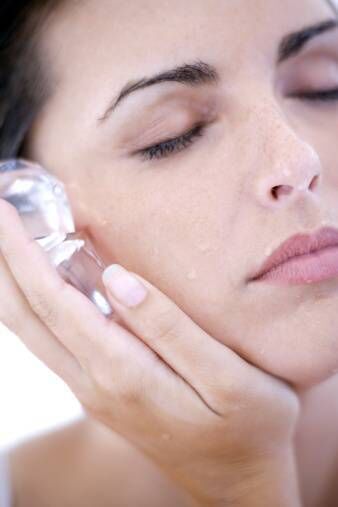
Avoid scarring and further irritation by keeping your hands away from an angry-looking red spot. Try wrapping an ice cube in tissue and gently applying it to the spot to help cool and ease inflammation instead.
Exercise-induced acne which is caused by excess heat, sweat and rubbing is common on the face and body, especially in the summer months. Dab sweat off with a towel before showering and avoid wearing heavy makeup when you work up a sweat as this will lead to congestion.
Exfoliating acids can help to unblock clogged pores, reduce your acid mantle (a layer on the skin that wards off bacteria and viruses) and shed dead skin cells. Like salicylic acid, azelaic acid has also shown results when it comes to treating acne.
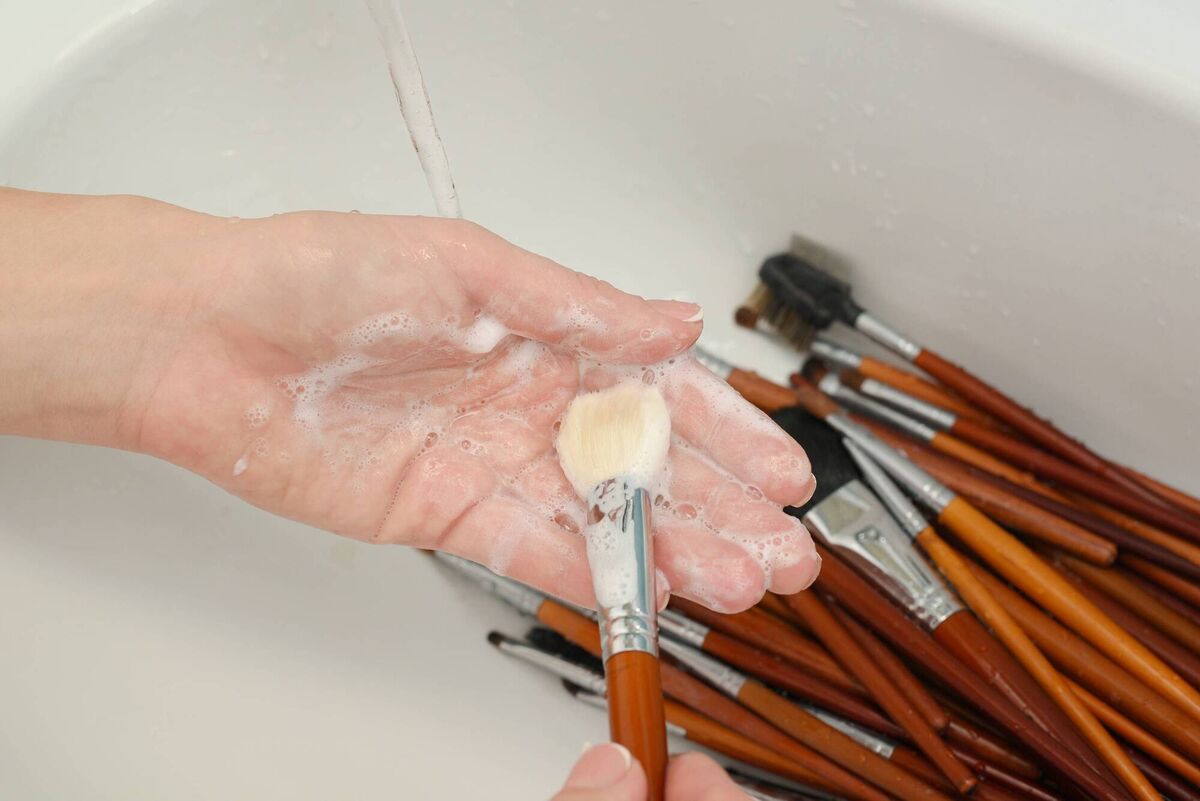
And that goes for pillowcases too, phones or anything else that touches your face. Dirt, bacteria and dead skin cells can accumulate on these surfaces and cause congested skin if not cleaned regularly.
Support your skin internally with a healthy, balanced diet and the help of a skin supplement. Advanced Skin Nutrition Accumax (€55, theskinnerd.com) contains vitamins A, E and C, which help to maintain normal skin, as well as a phytonutrient known as DIM. This is a game-changer for acne-prone skin and targets blemishes from the inside.
According to a survey by the British Skin Foundation, 63% of acne sufferers experience lower self-confidence and over a third of people either self-harm or have considered self-harming because of their acne. The last few years have been particularly tough on us all both mentally and physically, with the pandemic leading to heightened stress levels and an increase in wearing protective masks — both of which can lead to congestion and acne. Be kind to yourself by getting enough sleep and take the time to indulge in a relaxing evening skincare ritual to help you unwind and manage your stress levels. Acne can be confidence zapping and upsetting but there is a lot of support available. If acne is affecting your wellbeing, seek advice from your GP.
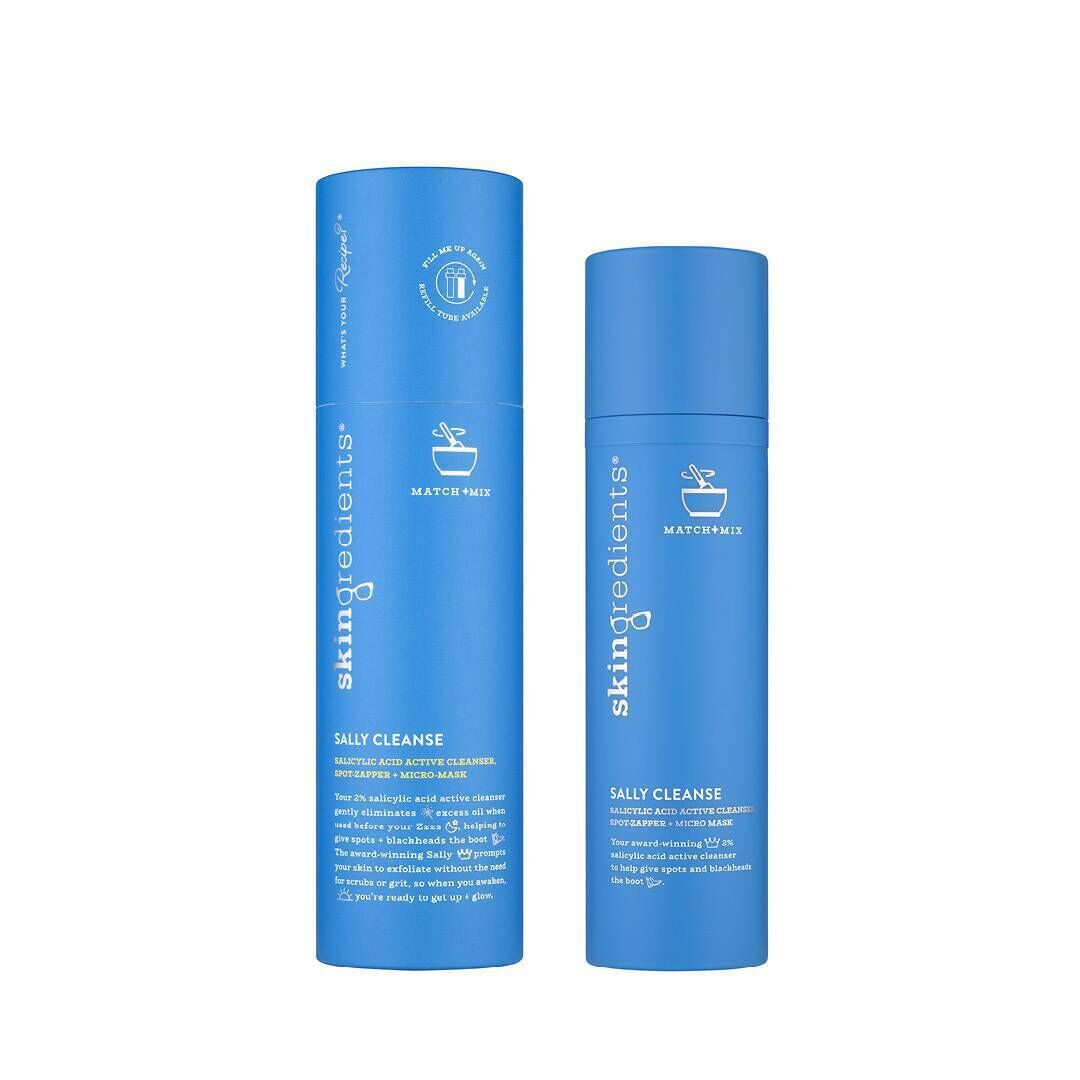
Keep spots under control with a salicylic acid cleanser like Skingredients Sally Cleanse 2% Salicylic Acid Oil Control Cleanser. This award-winning formula can be used as a wash-off cleanser, or as a micro-mask. It is great for effectively exfoliating the skin’s surface for a smoother complexion and it is also an anti-inflammatory, which reduces any redness in the skin.
Skingredients Sally Cleanse 2% Salicylic Acid Oil Control Cleanser, €33, theskinnerd.com
CONNECT WITH US TODAY



Be the first to know the latest news and updates