Bernard O'Shea: Have I found the elixir of youth, or was my granny having me on?

Bernard O'Shea discovers his granny might have been right about Epsom salt. Picture: Brian Arthur
I've been as stiff as a plank for the last two years. Every morning, it seems like it takes my body at least an hour to warm up. Sometimes, even tying my shoelaces feels like a HIIT workout (not that I've ever done one). But little did I know that my granny's old Epsom salt cure would go some way into solving my aching joints.
My granny lived with us when I was growing up. She smoked 20 Player's Navy Cut a day, and was partial to the odd brandy. She drank tea by the gallon and always had her dinner in the middle of the day. But like her generation also believed firmly in some odd cure-alls.
You would be a brave person to tell her you had a tummy bug. Why? Because within seconds, she'd have produced a bottle of Milk of Magnesia. I remember unfondly that cold blue glass bottle and its chalky white liquid. I would scream when I saw it, and to this day can still remember the sound the old chalk build-up around the cap would make when she unscrewed it and ladled it out onto a big dessert spoon. Still, I reel in horror and dry retch every time I mention it.
It was part of her arsenal of medical potions along with TCP, Milton Fluid, Sudocrem, John Power's and John Jameson's most fine spirits, and olive oil (which she bought in the chemist to clear wax out of her ears). All of these peculiar remedies were of their time, and will most likely never again see themselves front and centre as amazing cure-alls, in an Instagram feed near you.
She also swore by Epsom salts for any muscular pain. I remember her soaking her feet in a basin of boiling water. She would regularly dash in waves of Epsom salt that she kept in a big white bucket under her bed. I always thought it was the oddest thing. But there was a rationale to her homemade min spa evenings, and magnesium was again at play.
Epsom salts take their name from their origin in the town of Epsom in South England. It's believed that the salt was discovered there almost 400 years ago. The spring on Epsom Common was thought to have healing qualities. According to Wikipedia, "the mineral waters were rich in Epsom salts, which were later identified as magnesium sulfate. Charles II was among those who regularly took the waters and several prominent writers."
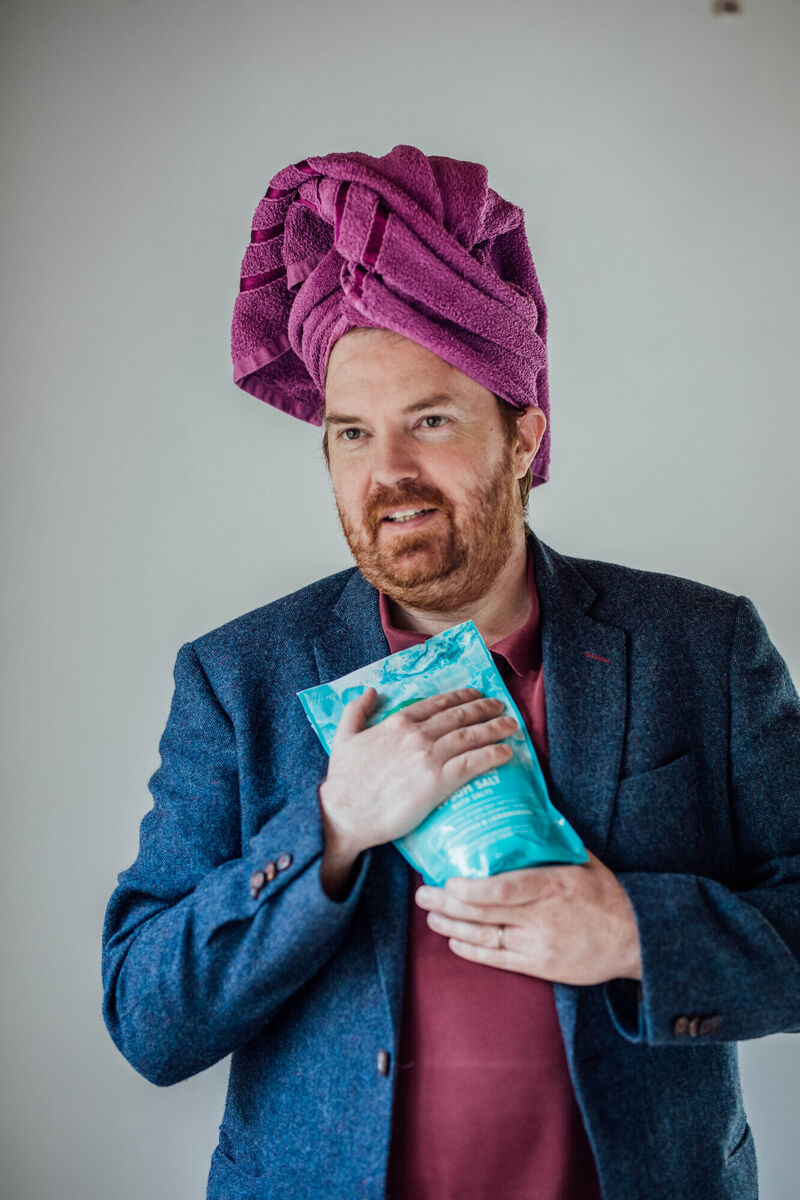
Epsom salts are made with magnesium sulphate. Magnesium sulphate has been used as a magnesium supplement; however, some believe that magnesium may be absorbed via an Epsom salts bath rather than orally. But why?
Magnesium has long been touted for its medicinal qualities. It occurs naturally in foods like salmon, avocados, and leafy greens. Unfortunately for me, it's also present in Milk of Magnesia in the form of magnesium hydroxide. It "is thought to work by drawing water into the intestines, an effect that helps to cause movement of the intestines", so says webmd.com
The other proposed benefits of magnesium include boosting energy, helping anxiety, regulating blood sugar levels, lowering blood pressure, and helping you sleep more. Some studies show that magnesium may fight inflammation. Taking magnesium sulphate (Epsom salts) through an IV helped alleviate migraines, treat asthma, and even enhance stroke recovery. One quick Google search, and it feels like you have stumbled upon the elixir of youth.
The idea behind an Epsom salt bath is that you get the magnesium through osmosis into your skin. However, there has been very little scientific evidence to suggest that this is possible. Canadian science writer, Paul Ingraham has gone to great lengths to discuss Epsom salt baths and their lack of scientific research, especially when it comes to the topic of "osmosis" and "detoxification," by stating, "Epsom salts baths cannot suck the toxins out of anyone or anything (or suck magnesium ions into anyone or anything)." in his article on painscience.com, "Does Epsom Salt Work?"
Others point to Epsom salts being an excellent skin exfoliant. It may even be used to give hair more volume, says holistic health practitioner Taz Bhatia, MD, founder of CenterSpring MD in Atlanta. I didn't want to try this as it's something I've already discovered. The secret to giving yourself full volume hair would be to use washing-up liquid. Just make sure there are no balloons around. When it dries, you'll have enough static electricity flying off your head to make a Nikola Tesla presentation look tame.
Firstly a hot batch is always a good idea until you realise that you need at least 30 minutes to prepare it and spend the time in it to justify it. I decided to go down the direct route of running two baths. One without Epsom salt and one with — to test to see if there was any magical tid-bit I could uncover and ponder over.
So I lay in the non-salted bath two Monday nights ago for 30 minutes, praying that one of the kids didn't wake, up or that the house didn't go on fire. The first thing I noticed was how thirsty I was. I eventually got out and poured myself a pint of water. I sat in the bath at 10:45 pm on a Monday, sipping on a pint of water. Then the following Tuesday night, I repeated my feat, except this time I used the Epsom salts.
The results? I felt thirstier in the Epsom salt bath, and went crazy and drank not one but two pints of water (I'm mad, so I am), and my muscles felt heavier when I got out. But to be honest, I found the difference was negligible — except for two relatively small but essential details.
My finger and toes didn't wrinkle when I used the Epsom salts. Thus, for that very reason, I stayed in for a longer soak and my skin, not necessarily my muscles or my banjaxed hip, felt smoother and softer.
So maybe my granny had the right idea all those years ago. Now all I have to do is try and keep her caked-over bottle of Milk of Magnesia out of my nightmares tonight. Maybe I'll take an Epsom salt bath to help me sleep.


CONNECT WITH US TODAY



Be the first to know the latest news and updates