Irish Teacher: There are thousands of ghost children in our system
Jennifer Horgan: our system is failing thousands of absent schoolchildren
Can we fix a problem we can’t see?
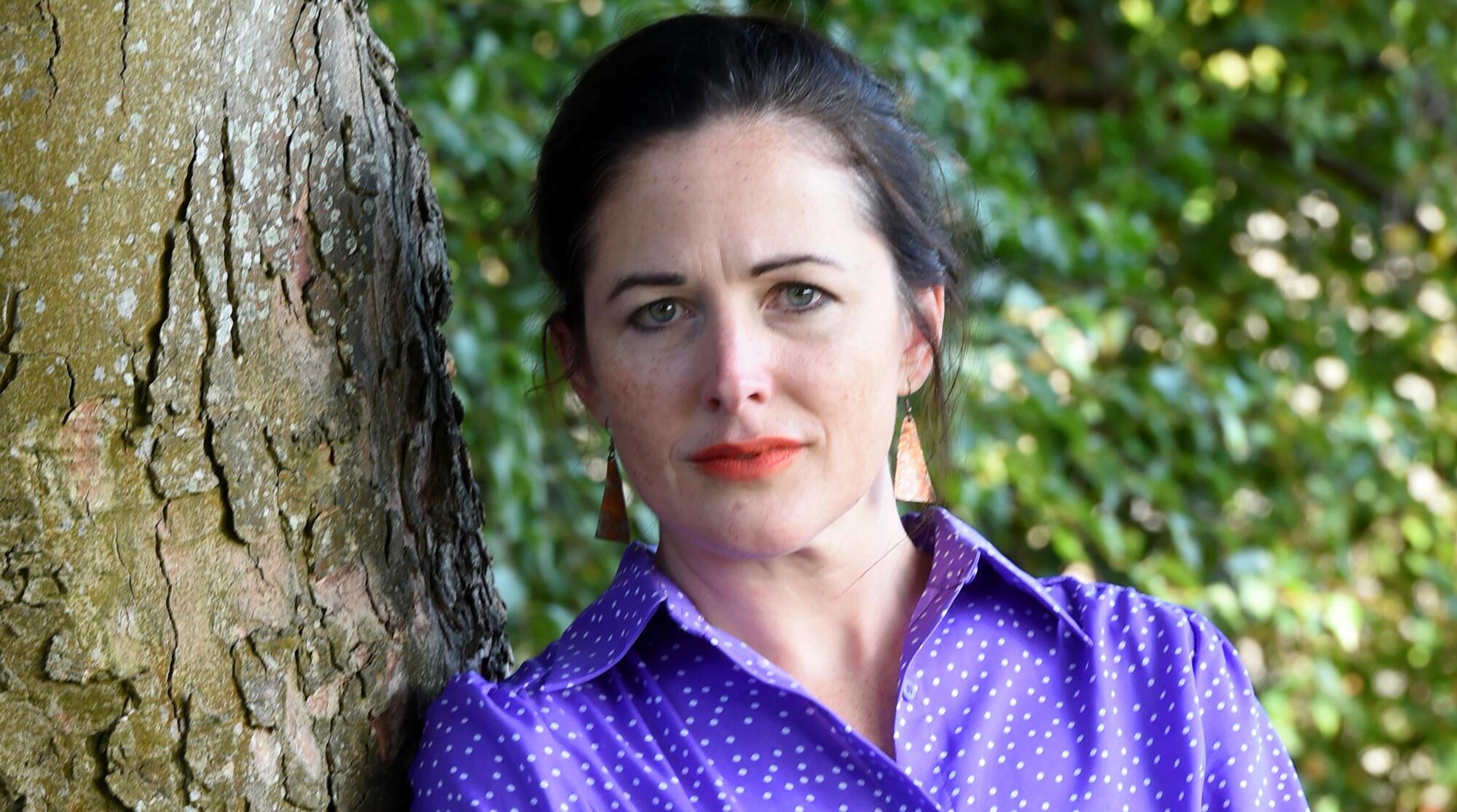
Faye Hayden of Not Ok in School Ireland (NOISI) is concerned that many children on classroom registers in Ireland are not turning up. They technically have a school place, but that placement has broken down. Some children manage an hour a day; others are totally absent.
A child leaves and doesn’t return. Or a child never appears at all. The teacher learns to skip over the name of the ghost child in their classroom.
“Sadly, we have no record of them,” Hayden explains. “They’ve been told that they’re better off having some place, rather than no place, so they stay on the register. We simply don’t know how common the trend is. We need to track them nationally.”
Faye Hayden estimates it’s in the thousands. And she has a plan to support them. “What we need are fewer children in classrooms and more support staff. We also need to stop looking at this absenteeism as a problem with young people. This is about the barriers that exist for them in school. They’re simply not able to cope in the system as it is, and so we need to re-imagine education in this country.”
Hayden has an issue with the term “school refuser” because it puts the pressure back on the child to change. For her, it’s the system that needs reform. She believes there are hundreds of autistic girls going under the radar.
“Autistic girls don’t make a fuss. They manage school quietly but by the time they go home they’re exhausted, completely overwhelmed, and often experience a meltdown. Eighty percent of autistic people suffer from anxiety and this needs to be treated separately, not just dismissed as a part of autism.”
For Hayden, the special needs assistant (SNA) should play a pivotal role in providing these in-class supports. They must be highly trained, highly professional, and highly respected.
“Teacher training on these matters should improve, but I don’t think a teacher can possibly give their full attention to these students when they are trying to bring everyone along. Classroom teaching relies on the support of an SNA. We need to professionalise the role. It is currently undervalued and underpaid. We need people who are committed and skilled, and we need excellent courses available too.”
She doesn’t blame schools for the lack of provision for children, though she admits some are better than others.
“They are firefighting too much of the time. They simply don’t have the resources. And too much power is given to boards of management who have no educational knowledge whatsoever. I very recently heard of a board giving a green light to locking an eight-year-old child in a padded room whenever they had a meltdown.
“We need more recognition for the role of an SNA who will know best how to avoid such occurrences in the future. On very rare occasions, safe restraint may be necessary to keep the child safe, but following an incident, work should be done to support the child, to protect them and everyone else from future incidents. What we see are children being managed out of schools. The schools simply can’t cope. They need more supports.”
Fórsa’s #RespectForSNAs campaign aims to raise awareness of the vital role of SNAs in schools. Speaking on radio, Andy Pike, National Secretary of Fórsa argued: “For many years they’ve been a bit of a Cinderella service. Recently, people are becoming aware that SNAs are integral to ensuring that students with various different additional care needs can complete their schooling, and without them that wouldn’t be possible.”
The EPSEN Act 2004, promised “inclusive education” whereby the system would adjust to meet children’s needs, rather than expecting children to “fit” into the system. In April 2021 in a statement to the Oireachtas Education Committee, Inclusion Ireland wrote: “Seventeen years after the Act has been passed the main pieces of the Act that benefit disabled children have yet to be commenced.”
Faye Hayden concludes: “We need to shift focus to what is wrong for the child, not with the child. Last century we used to lock children with disabilities away from society, now we lock them out of it.”
This year the EPSEN Act reaches adulthood; 18 years since it was passed, and we’ve yet to implement it. Across the country innumerable childhoods are passing by, in distress.
Their names are left on classroom registers, but their lives are being lived somewhere else.
- Tomorrow is a National Day of Action with marches in Cork, Dublin, and Wexford to highlight the issues raised in this article.
- See www.FussIreland.com for details.

CONNECT WITH US TODAY



Be the first to know the latest news and updates