How to make sure your pets have a happy and safe Christmas 
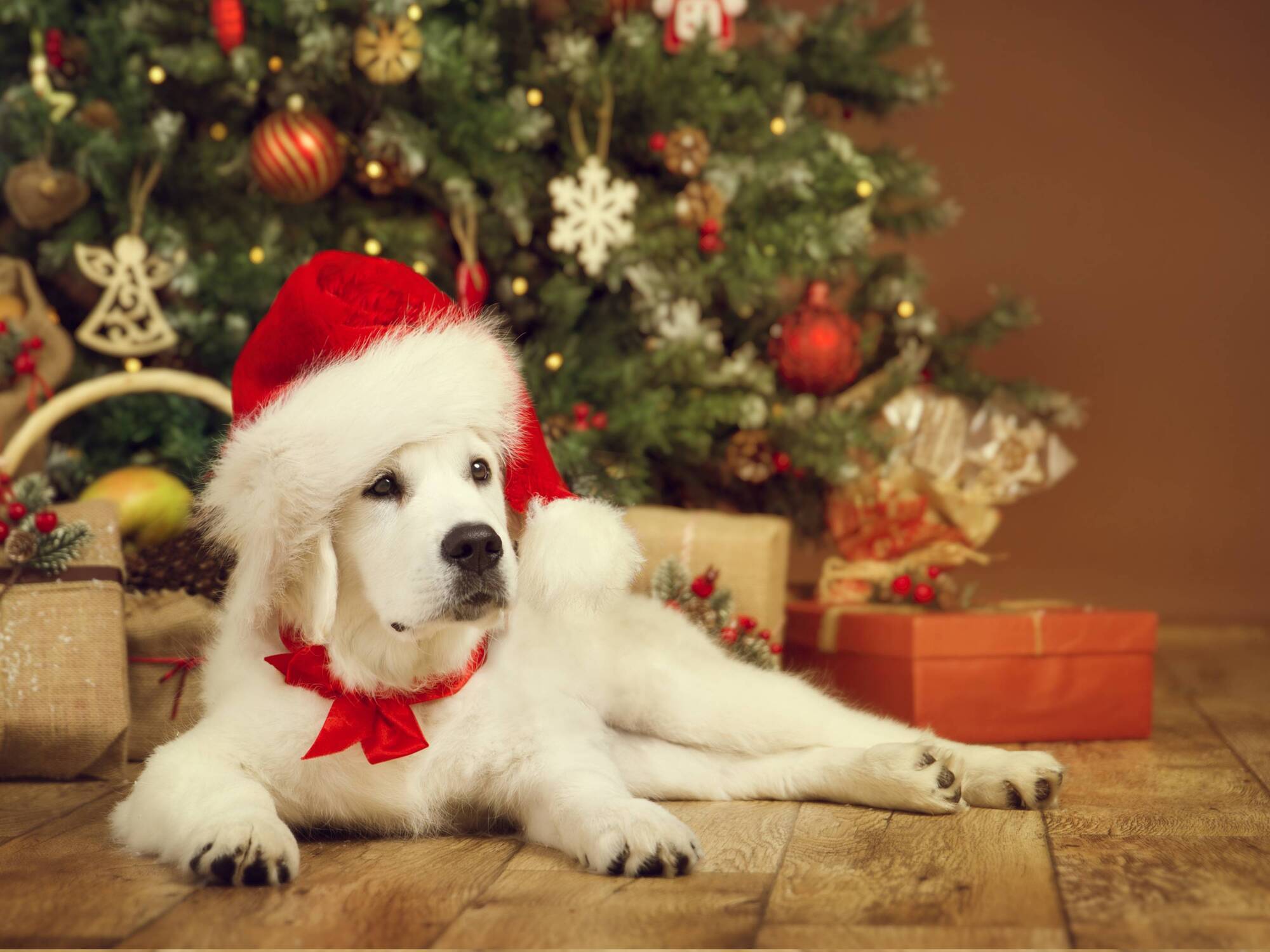
Pete the Vet has some great tips to avoid an unhappy pet this festive season 
How to make sure your pets have a happy and safe Christmas 

Pete the Vet: “Turkey tummy” is the most common reason for vets to be called out over the Christmas period. Also avoid giving cooked bones, and only offer small amounts of skin and fat: high fat foods can provoke pancreatitis, a serious, potentially fatal illness.

As Christmas approaches, we all want to make sure that everyone in our household has an enjoyable time over the festive period. And these days, many of us see our pets as part of our family. So we all want to do our best to make sure that their experience is as pleasant as possible. There are two aspects to this: avoiding the negative, and accentuating the positive.

First, the negative: avoid seasonal hazards.

There are a number of Christmas foods that can be toxic to dogs, and it’s important not to let your pet eat these.

Most people know that chocolate is poisonous for pets, but some dogs enjoy the taste so much that they’ll sniff it out through several layers of wrapping paper, tearing open the packaging and scoffing the chocolate treats. The only safe option is to keep all chocolate, wrapped and unwrapped, well out of the reach of dogs.

It’s less well known that grapes (and therefore, raisins) can be toxic to pets: this is an intermittent toxicity which makes it especially hard to deal with. A dog may eat grapes several times with no problem, then another time a small number of grapes may induce fatal renal failure. The precise toxic factor in grapes remains unknown, but it may be a toxin coming from a fungus or mould on the grapes. The safest answer is never to feed grapes or raisins to dogs, and that means no mince pies, no Christmas cake, and no Christmas pudding.

Other toxic foods include onion, garlic, and macadamia nuts: you should avoid giving these to your pet, and that may mean avoiding foodstuffs like stuffing.

If your dog does eat a known toxin (such as those listed above), the best approach is to get to a vet within the hour, so that their stomach can be emptied by induced vomiting (vets can give an injection to make this happen quickly). All vets are obliged to offer access to a 24-hour emergency vet, so if you fear your pet has been poisoned, phone your local vet immediately, even if it’s Christmas Day. 

If you wait for over an hour to get help, it’s too late to remove the poison, and your pet will then need more prolonged, intensive and expensive treatment, to help their body process, metabolise and excrete the poison. And in a sad, small number of cases, the poison is too strong, and a fatal outcome results. Prompt emergency veterinary treatment of poisoned pets to empty the stomach quickly can save lives.

You also need to be careful about giving human food as tasty treats to pets: the rule of thumb is that no more than 10% of their total daily food intake should be “treats”. Any more than this, and you’re likely to create a nasty bout of gastroenteritis caused by too much rich food. “Turkey tummy” is the most common reason for vets to be called out over the Christmas period. Also avoid giving cooked bones, and only offer small amounts of skin and fat: high fat foods can provoke pancreatitis, a serious, potentially fatal illness.

It’s common, in the days after Christmas, for people to give their pets ageing left-overs that they may not want to eat themselves. It’s safest to follow the same rules of thumb as you follow for yourself: if you feel that leftovers are not suitable for you to eat, then don’t offer them to your pet.

As well as toxic foods, other Christmas hazards include an abundance of chewable items in the house that can cause physical damage if swallowed: this includes Christmas tree decorations and tinsel, presents under the tree and wrapping materials like ribbons. So-called linear foreign bodies refer to lengths of string or ribbon: if swallowed, these can easily become tangled up in the intestines.

Enough of the doom and gloom: as well as avoiding the negative, pet carers should accentuate the positive by creating as many enjoyable activities for pets as possible over Christmas.

Boringly enough, this includes maintaining many aspects of the normal daily routine. Pets don’t know it’s Christmas. You should try to keep up elements of regular activities that you know they love. Take your dogs for walks at the usual time, going to their familiar places. Feed them at the same time of day: meal time is a highlight for many animals. Be aware that some pets find it stressful to have visitors to the house: it can help to set up a den in a quiet room, so that they can have “time out” if they start to get restless. Plug in a calming pheromone diffuser (e.g. Adaptil) inside this den, so that it feels more like a cosy sanctuary to your pet. Leave a radio on, playing classical music.

Put aside time to play with your pets: animals love one-to-one attention from their carers. You may find that this is a pleasant de-stressor for yourself too. Pets are experts at mindfulness, enjoying the moment during games such as chasing a ball for dogs, or hunting a feathery toy on a string for cats. 

Time spent with pets like this can only be good for our stress levels on a day when most of us end up feeling more stressed than normal. Quiet time with your pet can also be an indulgence appreciated by both animal and human: sit in that den yourself, give your dog a hug, pet your cat on your lap, listening to the purr. You may feel your blood pressure dropping more rapidly than if you’d just popped one of your aged auntie’s blood pressure tablets.

May you all, human and otherwise, have a lovely Christmas together.

  • Don't miss the Paws for Thought Feelgood feature this Friday, where there'll be more tips on keeping your pets safe this festive season.
x

More in this section

Lifestyle

Newsletter

The best food, health, entertainment and lifestyle content from the Irish Examiner, direct to your inbox.

Cookie Policy Privacy Policy Brand Safety FAQ Help Contact Us Terms and Conditions

© Examiner Echo Group Limited