Pete the Vet: The top three things to teach your pet in basic training
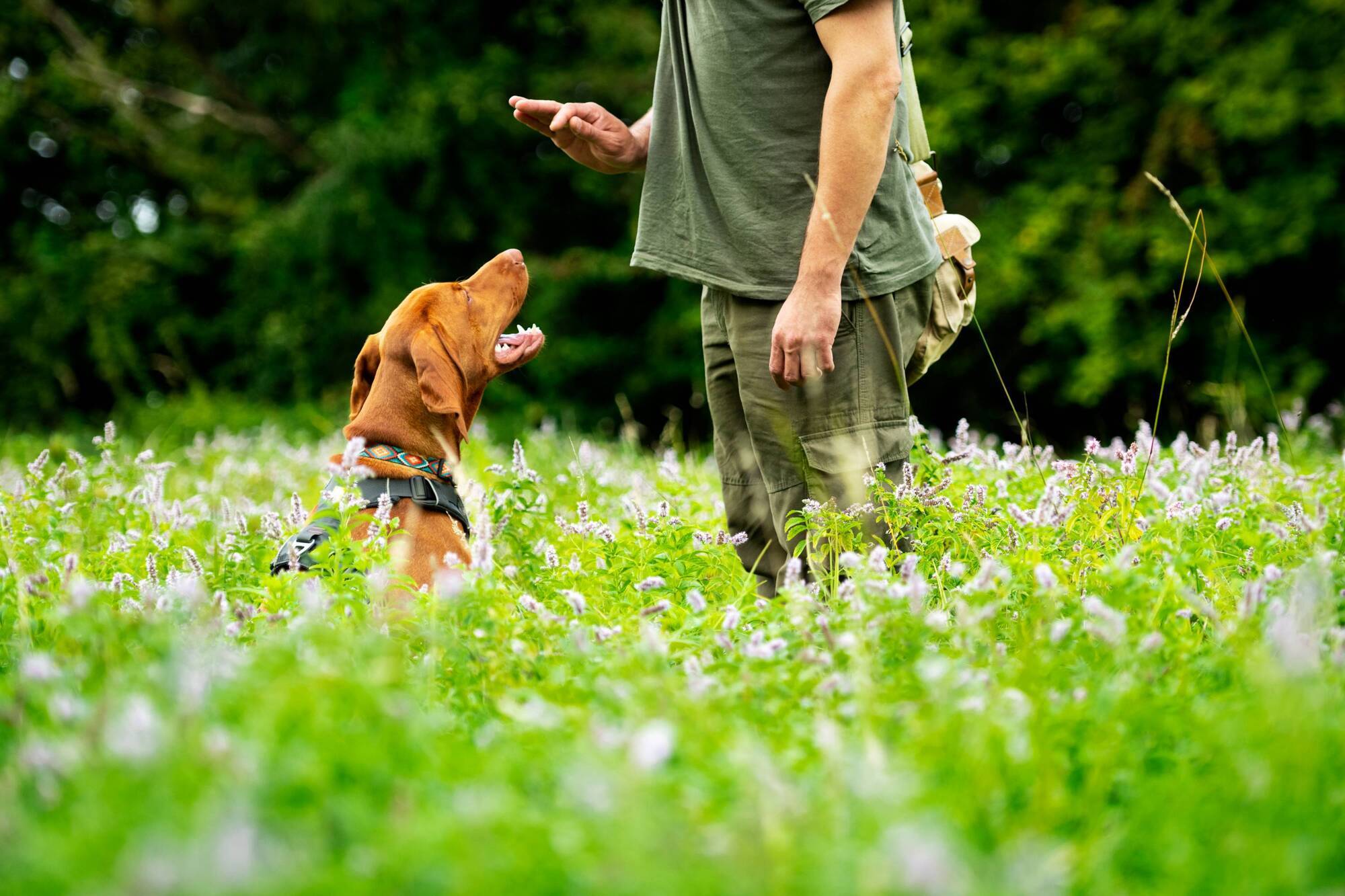
Pete Wedderburn has some tips for basic training your furry friends
Pete the Vet: The top three things to teach your pet in basic training

Beautiful Hungarian Vizsla puppy and its owner during obedience training outdoors. Sit command side view.

Owning pets means sharing our lives – and homes – with animals. There are many benefits, from having a continual animal friend beside you, to being encouraged to walk with your dog, to the pleasure of having a purring cat on your lap. However there can also be negative aspects, often relating to the way that animals behave. Pets are sentient creatures, but they are not rational beings in same way as adult humans. You can’t expect them to behave as you wish on their own initiative. If you want to have a well-behaved pet, it’s up to you to train them.

This week, I’m writing about my top three behaviours to teach dogs and cats, to help you create an agreeably organised home shared between people and animals.


Dogs

It’s never too early to train a dog to be well-behaved. From the day a puppy arrives in your home, you can start teaching the simplest basics of good behaviour. And it’s never too late: it’s a myth that old dogs can’t learn new tricks.

The two most common reasons for badly behaved dogs are that people don’t know how to do it, and then they don’t spend enough time training their pets.

The first issue is easy to solve: apart from an abundance of good dog trainers in our communities, there are thousands of free dog training videos online.

The second issue can be best solved by scheduling dog training time. To maintain optimal behaviour, ideally dogs should be trained for fifteen minutes a day, long term. This does not need to be done all at once: five minutes, three times a day works well. Build this into your dog’s daily routines, such as before meals, at the start of walks, and just before bedtime. If you can do this, you’ll notice fast improvements

Come back when called

A reliable so-called “recall” is the most important command. Apart from simple good manners, under Irish law, dog owners are obliged to have their pets under “effectual control”. You need to be able to stop your dog from causing problems to other people, whether by barking at them, jumping up at them, or even just by being close to them when they want to be left alone. The simplest answer is to keep your dog on a leash at all times, but this seems over-restrictive in many locations: dogs love to run freely, whether in parkland, on beaches or in woods. The alternative is to teach your dog a bomb-proof recall.

Sit

There are many occasions when your dog’s natural enthusiasm and curiosity can cause social problems. They may jump up at people, cross floors with muddy feet, or just run giddily around a room causing unease to some humans. The simple command of “sit” is the quick way to control such a situation. You can then take other steps, such as putting them on the leash, to maintain order.

Leave it

Dogs have hearty appetites and are prone to eating all sorts of substances that should be left alone: from someone’s picnic to another animal’s dinner to foul substances that they come across in the park. The Leave It command means that when you utter these words (“LEAVE IT”), your dog will drop what they are doing, and look towards you for further instructions.

Cats

Cats are generally less rambunctious than their canine cousins, but they can still cause angst and distress when they behave in less than optimal ways. Like dogs, training can start when they are very young. It doesn’t take so much time to teach cats; the main challenge is to be consistent, and to encourage good behaviour at all times, rather than just when you remember to do it.

Use the litter tray

Kittens often start to use a litter tray from as early as four weeks of age: they have a natural inclination to scratch and bury their droppings. Owners just need to ensure that they provide suitable locations, types and numbers of litter trays. The general rule is one litter tray per cat in the home, plus one extra. These should be placed in quiet places, so that cats don’t feel stressed while using them. The best litter substrate varies: some cats like pine pellets, others prefer clumping grit. It can be trial and error to work out what suits your cats. It’s important that you clean the tray regularly: no cat likes to squat over litter that has already been soiled.

Don't scratch or bite

Most cats are benign creatures, but some need to be reminded that claws and teeth are not to be used. Encourage gentle interactions by petting the top of your cat’s head, shoulders and above the tail. Even if they roll on their back, showing you their tummy, don’t be tempted to pet them here: cats often react with ferocious scrabbling of their back legs, and some may even sink their teeth into you. If your cat ever does this, withdraw and ignore. When cats learn that bad behaviour leads to being ignored, they’re less likely to repeat it.

Don't climb up on counters

Cats love climbing, and if there’s the chance of tasty snacks on kitchen counters, they’ll hop up and strut around, seeking treats. So first, don’t leave out anything tasty within reach, and second, be consistent about lifting them down if they ever do get up onto counters. Provide alternatives, such as cat trees or cat ledges (such as the Catipilla range), so that they can spend time high-up. Pet them and be kind to them when they’re using these, and they’ll soon learn to prefer them.

  • For short videos and tips on training dogs and cats, visit https://petfixclub.com/advice/videos

x

More in this section

Lifestyle

Newsletter

The best food, health, entertainment and lifestyle content from the Irish Examiner, direct to your inbox.

Cookie Policy Privacy Policy Brand Safety FAQ Help Contact Us Terms and Conditions

© Examiner Echo Group Limited