Amy Winehouse's inspiration, talent, and style celebrated at Amy: Beyond the Stage
Amy Winehouse’s inspiration, talent, and style is celebrated at the ‘Amy: Beyond the Stage’ exhibition which is running until April in London. Pictures: Valerie Phillips
LAST July was the 10th anniversary of Amy Winehouse’s death. It also marked a decade of attempts by those who loved her to keep her talent and personality elevated above the tabloid spectacle in our collective memory.
She was a little older than me and as I age and she stays forever 27, the disrespect shown to her privacy, health, and ultimately her life throughout her struggles grows increasingly obscene. A new exhibition ‘Amy Winehouse: Beyond the Stage’, a retrospective at London’s Design Museum created by some of those who knew her, is heart-breaking but very charming in places.
Reiterating that she was not without her problems is important, not least because they are common and, as she proved, those who struggle can give us so much. Her father Mitch, who opened the exhibition, said the colourful event “proves how enduring Amy is and how much people still love her”.
Relying on installations and a wonderful soundtrack, as well as Winehouse’s personal notes, photos, clothes, and other accoutrements, curator Priya Khanchandani encourages visitors to engage with a fashion icon and true artist.
The exhibition is a collaboration with The Estate of Amy Winehouse, which is waiving its right to royalties in favour of the Amy Winehouse Foundation.
The black beehive, bold eyeliner, and a cocktail dress with coloured bra straps showing made up Amy Winehouse’s signature look, but only in the Back to Black era. Amy’s style evolved with her music. Frank, her Mercury Award-nominated debut, was recorded and promoted with more youthful flare.
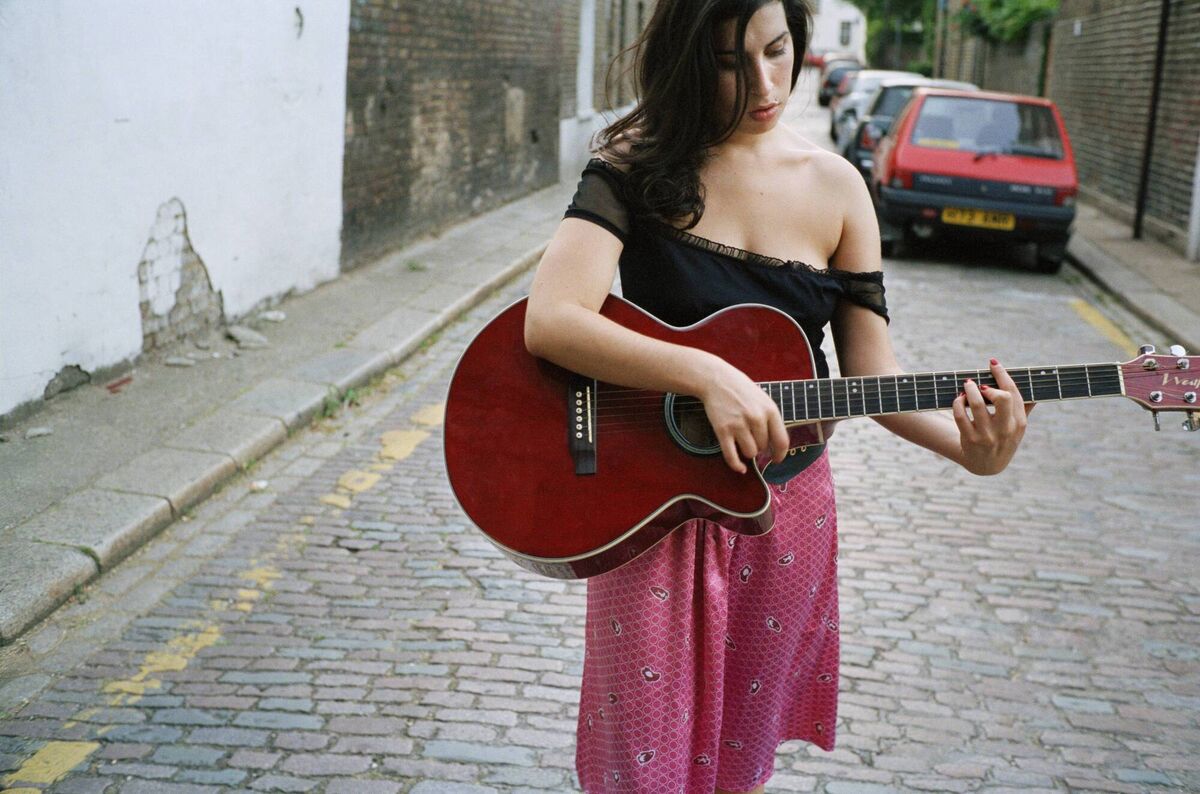
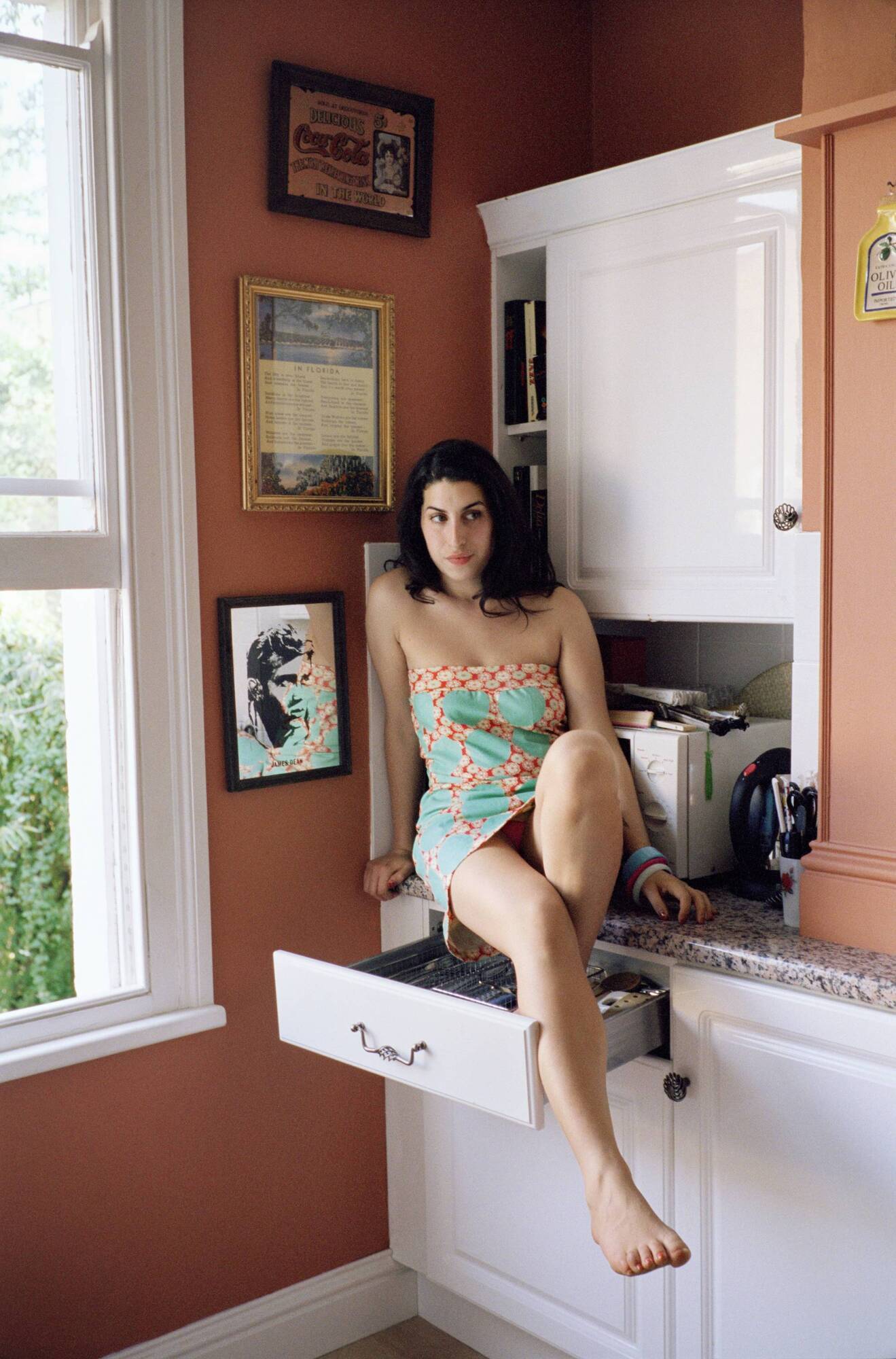
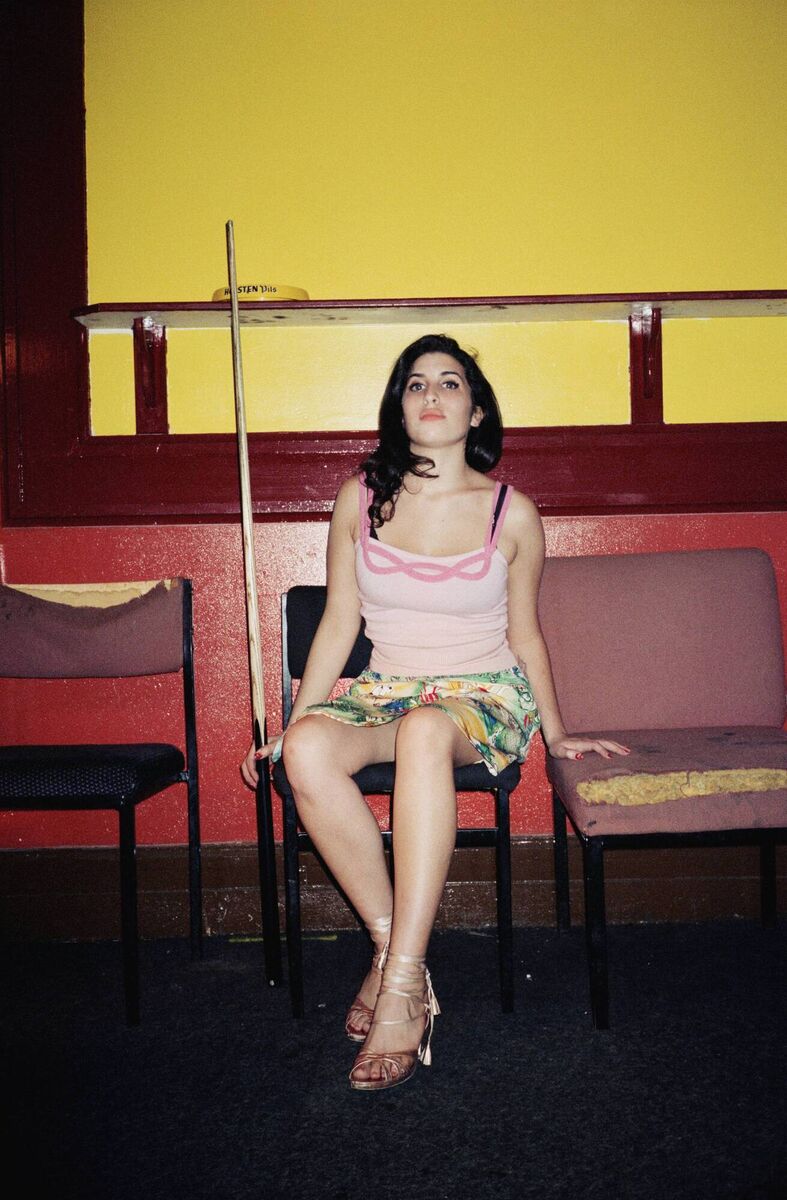
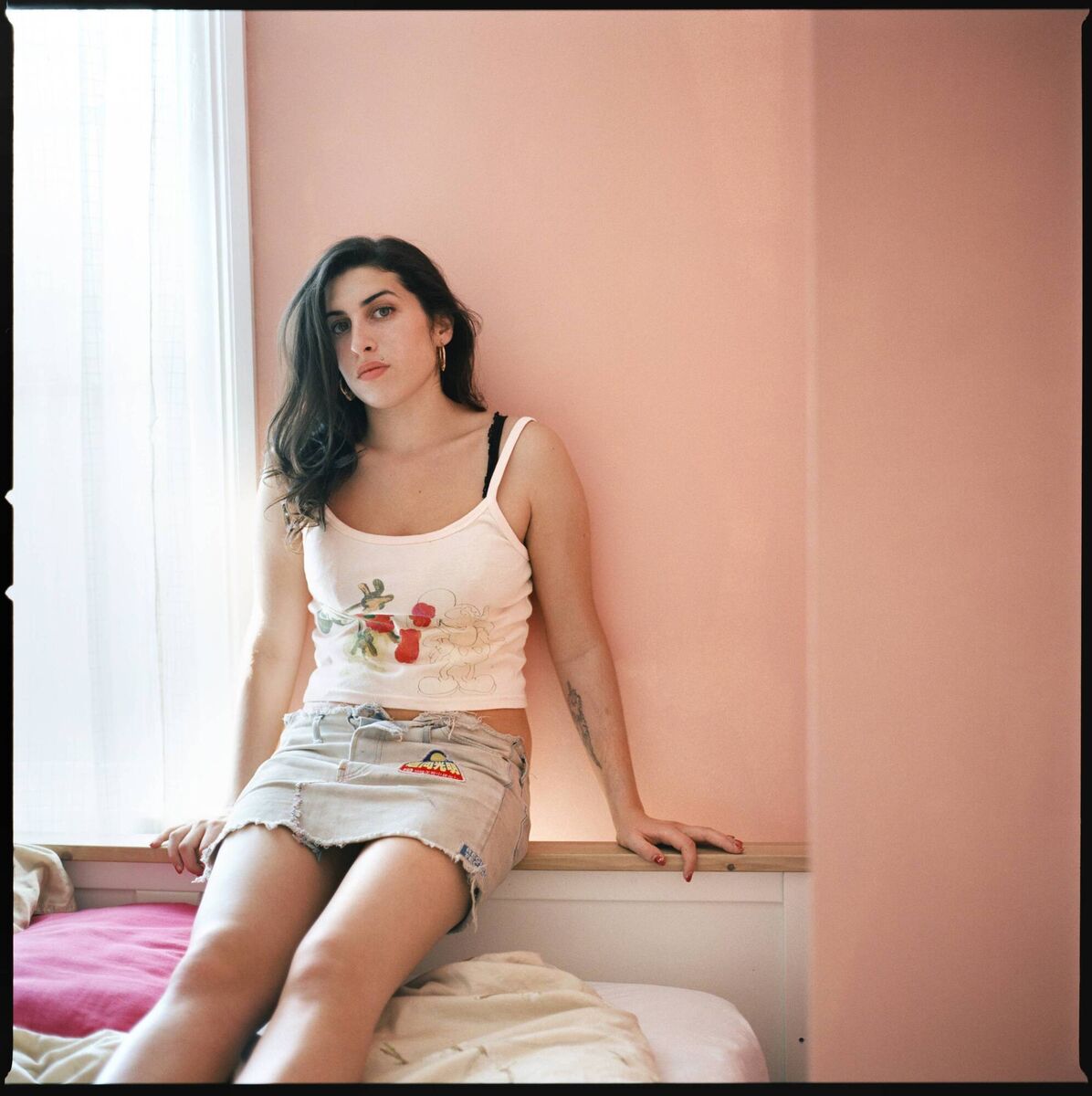
She was styling herself, shopping in vintage stores and mixing those finds — influenced by rockabilly and indie trends — with high street clothes. Her flowing dark hair was still entirely her own, often styled with Velcro rollers for volume, and she did her own makeup. Italian luxury brands Moschino and Gucci get shout-outs in her early lyrics, but her Frank labels were Adidas and British high street staples such as Karen Millen.
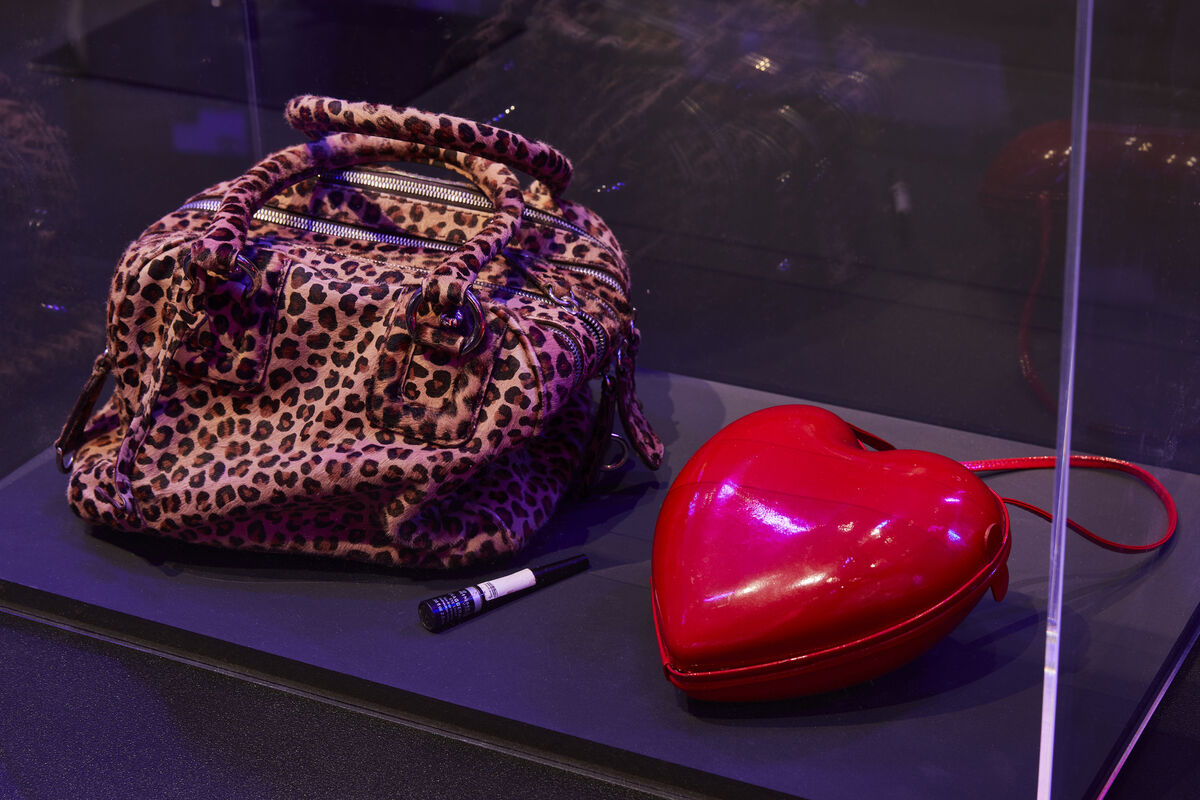
Visitors to the exhibition can browse a colourful selection of these clothes, as well as sift through the singer’s CDs and accessories in a bedroom-styled installation. Khanchandi was given handwritten notes, lyrics, and even childhood poetry that highlights Winehouse’s prodigious talent.
A pair of Miss Sixty jeans customised with her name and the words ‘Frank is God’ in the studio stand out. She aligned herself visually with musical influences Aretha Franklin, The Supremes, and other Motown favourites before her second album.
Winehouse’s friend and stylist, Naomi Parry, consulted on the exhibition and wrote the book Amy Winehouse: Beyond Black in lockdown. She began working with Winehouse as she rebranded herself, pre-Instagram, or Pinterest, as a cross between a Ronette and an American ’50s diner waitress. Camden, where Winehouse moved to in 2003, was a style influence in itself.
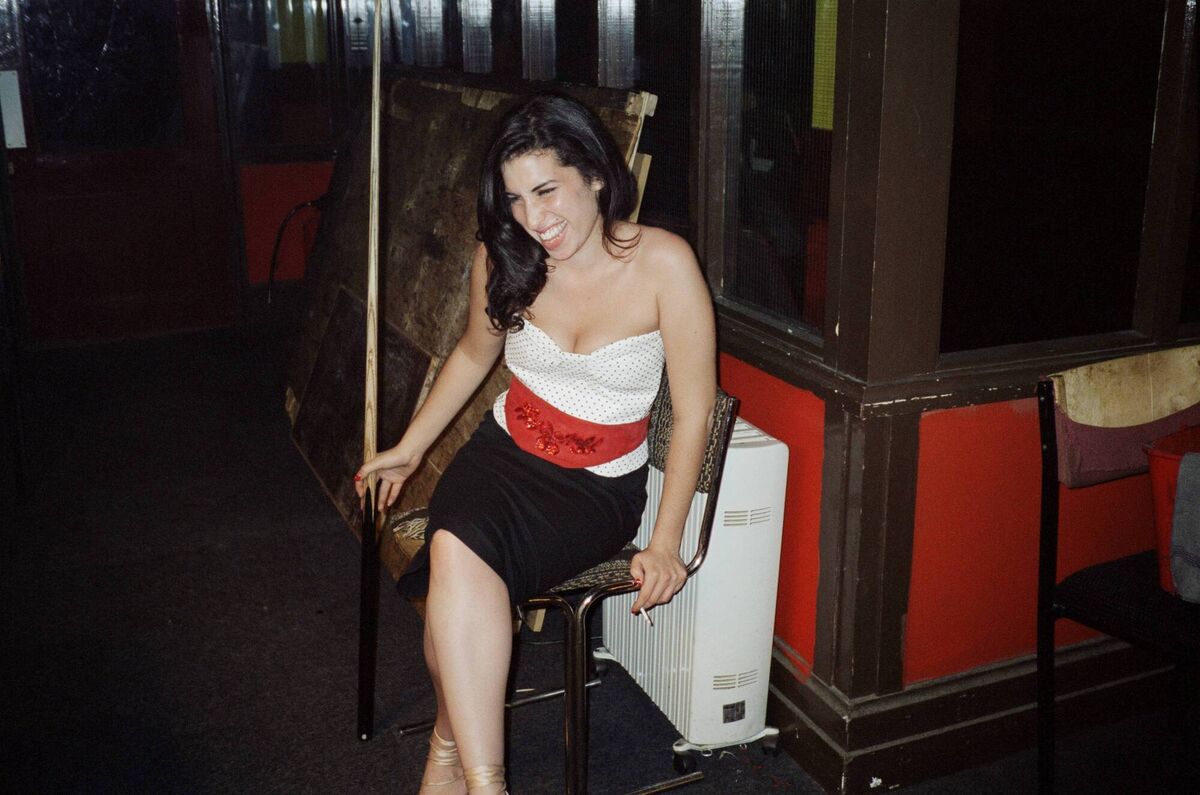
The borough’s alternative music history and vintage clothes shops became key to Amy’s artistic identity: ’50s head scarves, waist belts, Capri pants, leather jackets, huge hoop earrings, mesh vests, and bold, clashing prints were local trends that owed a lot to Americana. Parry introduced her to designer pieces by Preen, Julian MacDonald, and Vivienne Westwood, which she made her own. The new look paired beautifully with her timeless sound, and evoked warm and glamorous associations with US film and advertising from a prosperous time.
The book has a collection of rare personal and professional photos (though nothing from the paparazzi), as well as interviews with admirers, former colleagues, and friends. Dame Vivienne Westwood shares how pleased she is to have been part of Winehouse’s story, if only through clothes.
Lady Gaga and Adele praise her for proving that a woman can carve her own space in a music industry that doesn’t know what to do with her. A wonderful tribute from Ronnie Spector includes the quote: “Although I was from the ’60s I saw myself in her, and she inspired me to continue. As I say at every show I’ve performed since she left us, Amy gave me a wonderful gift, she made me feel that what I did mattered.”
It is likely that nothing Amy Winehouse wore resonates with people the way her lyrics and the emotion in her voice can, but her style certainly mattered. She was shot by several respected fashion photographers, including David LaChapelle (whose name features on a handwritten list of Amy’s ‘Fame Goals’ in the exhibition), and her friend Bryan Adams. She was a Chanel muse.
“She’s a style icon,” the late and famously discerning Karl Lagerfeld told The Sun in 2007. “She is a beautiful, gifted artist. And I very much like her hairdo. I took it as an inspiration [for Chanel’s 2007 London Pre-Fall show]. Because, in fact, it was also Brigitte Bardot’s hairdo in the late ’50s and ’60s. And now Amy has made it her own style. For me, it was a double clin d’œil.”
The exhibition includes a brief history of the beehive. Winehouse’s own tower of hair began as a joke when hairdresser Alex Foden over-backcombed it and clipped in an extra packet of hair extensions. The dramatic look met with immediate approval from Winehouse’s friends, he told an interviewer in July.
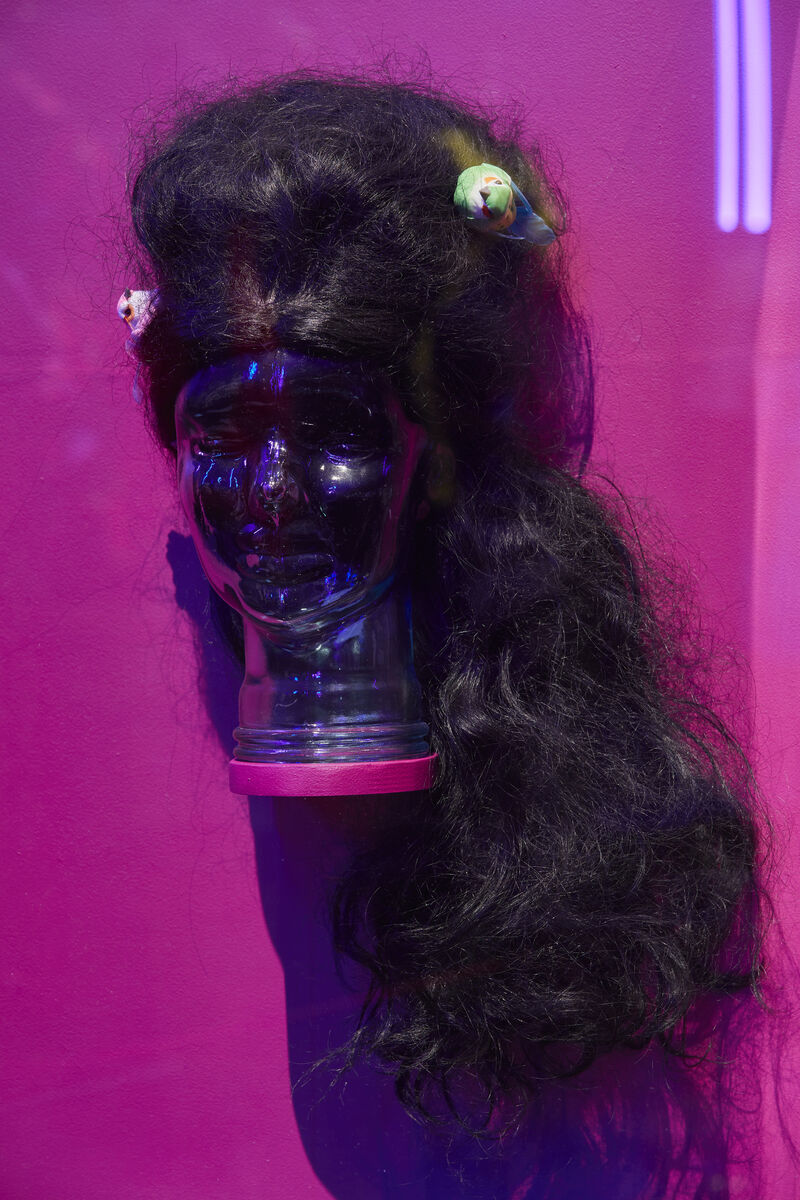
“It was never meant to be that big, so I said, ‘Let’s turn you into a caricature.’ I’d get two packs of synthetic hair, which is light, put hair nets around it, and sew those together. We called them fur balls.”
Designers sent her free clothes as her fame grew but she maintained her high-low retro look. Her favourite Freed London ballet slippers, which cost less than €20, were reminiscent of the real ballet shoes girls wore on Camden’s streets in the ’50s and ’60s. Her Rimmel London liquid eyeliner wings are still widely copied.
The colour with which she’s most associated was not always her style. “Amy looked great in black but said she once that she didn’t like wearing it,” Naomi Parry told Talk Radio Europe in September. “I loved putting her in bold colours and prints because I thought they reflected her personality. Her hair and complexion both looked beautiful with bright and even neon colours.”
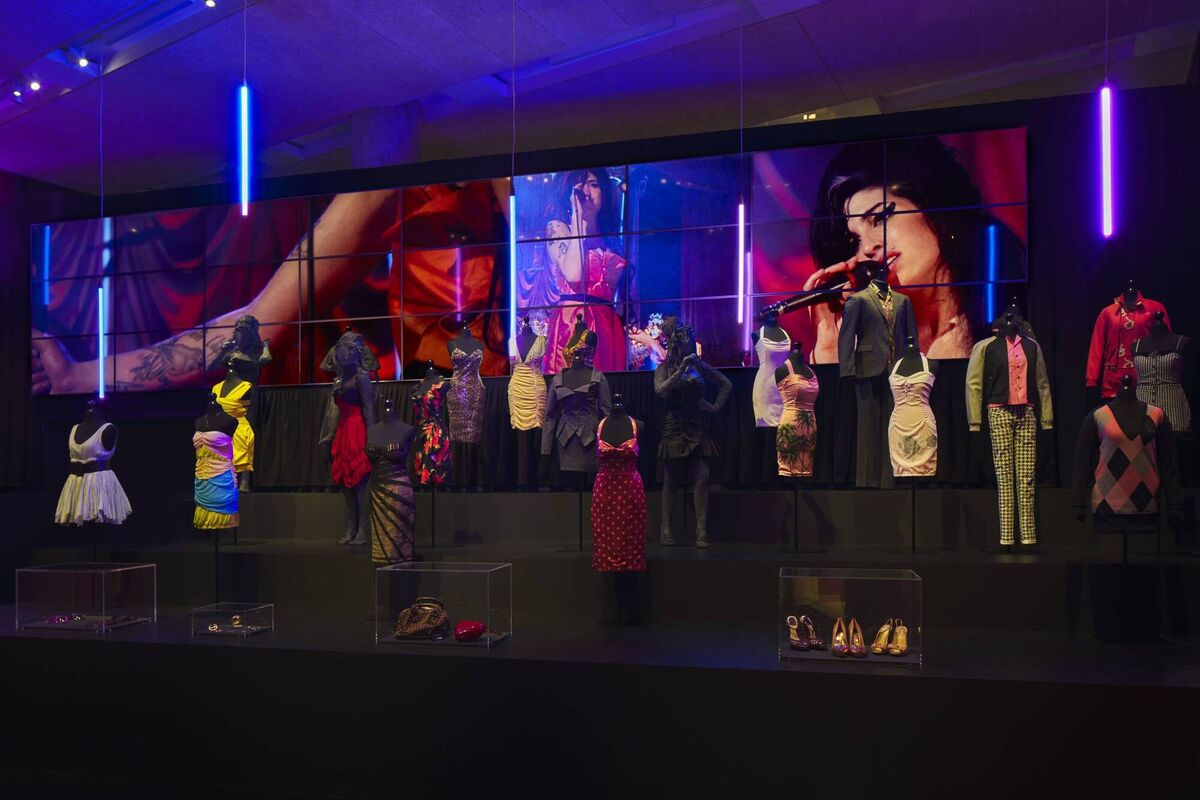
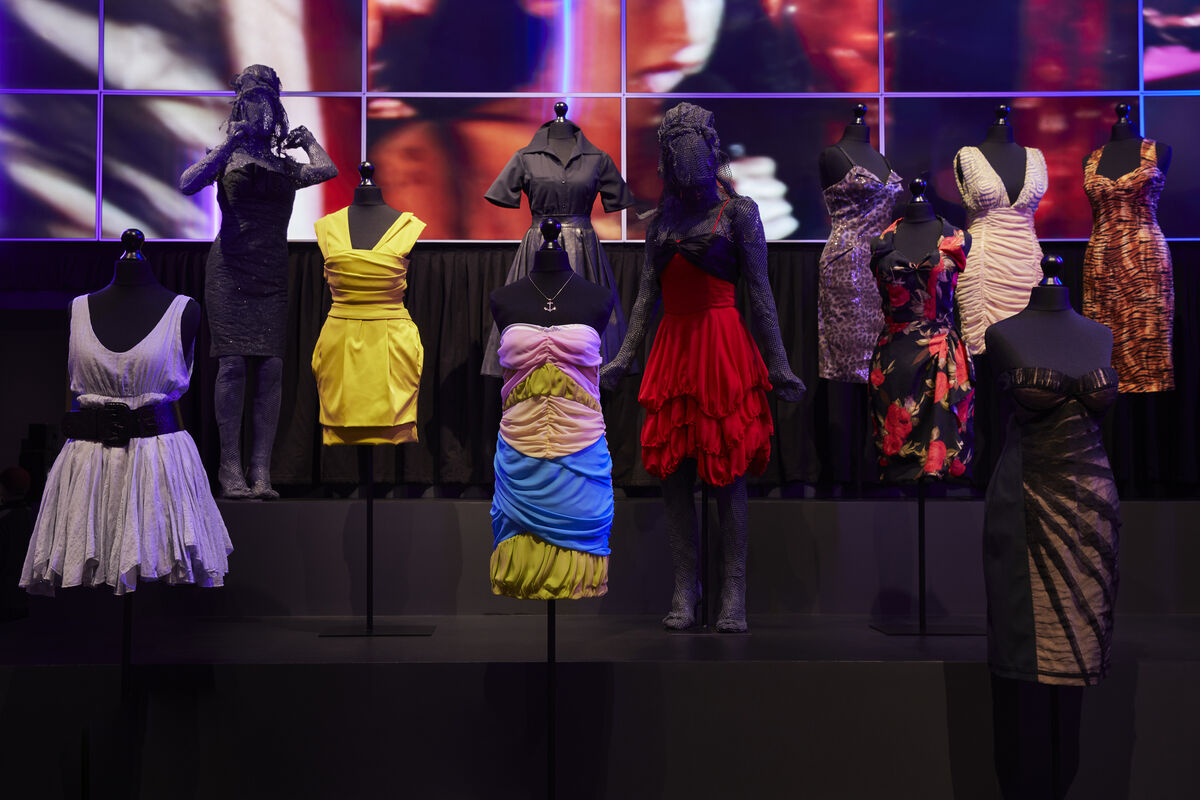
Amy Winehouse’s changing body size and struggles with eating disorders were sometimes highlighted by her clothes, which the exhibition doesn’t ignore. There is a note on these issues amid the sequinned, 5’ 3” mannequins dressed in her best.
Dressmakers’ dummies wearing stage clothes can be dull for those not interested in fashion, but visitors can also experience a studio space inspired by Metropolis recording studio, where Back to Black was recorded, and enter an immersive experience based on the track ‘Tears Dry on Their Own’, both created by the renowned set designer Chiara Stephenson, with digital design by Luke Halls Studio and artwork by Studio Moross. Confessional lyrics (some never recorded), with personal annotations and illustrations make you feel that bit closer to her writing process.
It will challenge anyone to leave the exhibition entirely happy, but you cannot help but feel impressed.
- Amy: Beyond the Stage is booking at the Design Museum, London, until April 10, 2022. Amy Winehouse: Beyond Black by Naomi Parry, published by Thames and Hudson, €37


CONNECT WITH US TODAY



Be the first to know the latest news and updates