Bernard O'Shea: The mysterious Satoshi Nakamoto and a little bit of Bitcoin
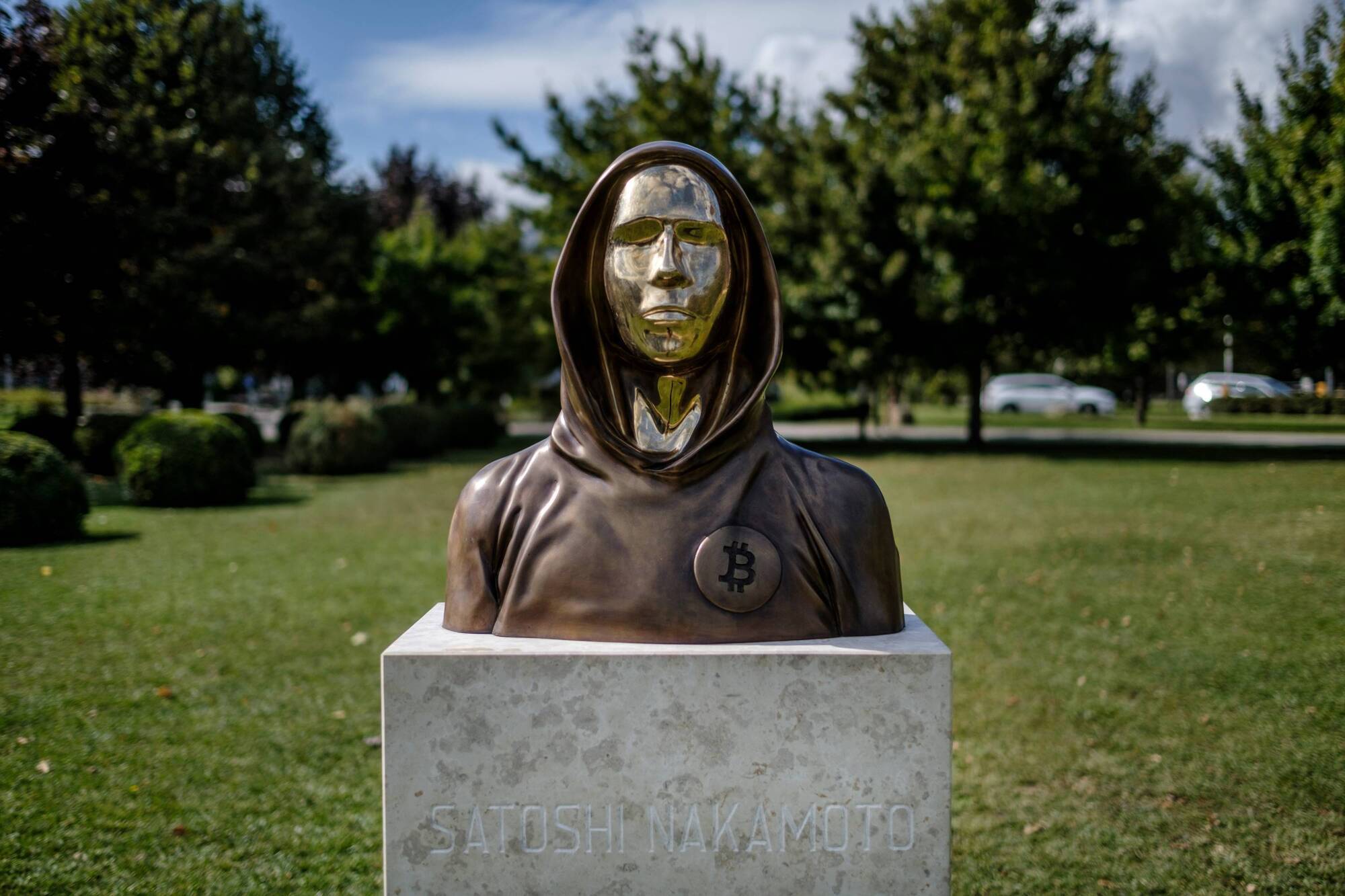
Statue of Satoshi Nakamoto, a presumed pseudonym used by the inventor of Bitcoin in Budapest, Hungary. Picture: Janos Kummer/Getty Images
The BBC show Top Gear could rightly claim one of the world's most googled phrases: "Who is the Stig?" That has been replaced in the last few years by: "Who is Satoshi Nakamoto?"
Satoshi Nakamoto is accredited with the invention of blockchain currency bitcoin. However, we have no definite evidence as to who it is. According to Investopedia, "The name Satoshi Nakamoto is often synonymous with Bitcoin, the actual person that the name represents has never been found, leading many people to believe that it is a pseudonym for a person with a different identity or a group of people".
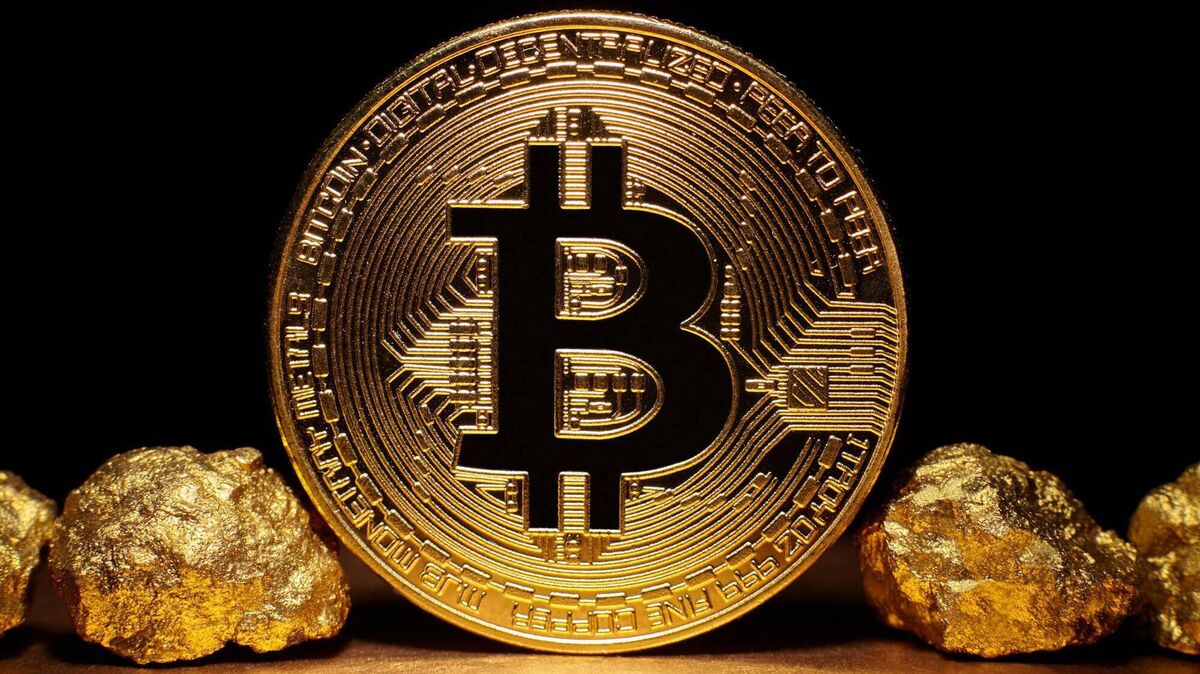
Bitcoin, like other cryptocurrencies, is backed up by blockchains. I've read more about blockchains in the last year than I read studying for my Leaving Cert, and still, I find them hard to understand. On the face of it, a blockchain is basically an open ledger account. When you buy Bitcoin, that transaction is registered across a network of computers. So everyone on the chain will know that it's been altered and a transaction has occurred.
For me, the easiest way to understand it is to imagine a big chest placed in the centre of your town. Every day people put money into it. When they do, every resident tells each other that, for example, "Bernard has put ten euros in the chest". My ten euros is recorded. Everyone can see on my record how much I have. It's not a brilliant definition. Forgive me. I studied Humanities, and I'm self-schooling myself here in the new world of blockchain tech.
In 2018 I was having coffee with a friend on a damp November morning. The cafe was cold as the deck of a ship, and he didn't even see me walk in. He was staring at his phone. He politely told me that he was checking his Bitcoin wallet. I knew of Bitcoin, but this was the first time I ever talked to another human face to face about it. He told me that it had crashed, but he had invested a small amount, and it was just a hobby for him. What I wished I had done that day was buy one. That day in 2018, the price of a Bitcoin was just under €5,000. Today it's worth over €57,000.
The fact that we still equate Bitcoin to euros shows that most of us believe in sovereign currencies. Bitcoin sceptics will rightly say that it's only worth whatever someone else will give you for it. That it's backed up by nothing, as opposed to national currencies backed by trust in the government. Right now, though, some people are willing to pay a lot more for it, and I can understand entirely why, primarily young people, are investing in it.
If you look at house prices, they're out of reach for most couples, never let alone a single person. The Irish Examiner reported in September of this year that the average house price in Ireland was €307k in Cork and €399k in Dublin. Banks are currently lending three and half times your wage, and you would need earnings over €100,000 a year. That's before you even considered for a mortgage and before you have saved for your deposit. Suppose you're squeezed out of the one major traditional purchase of your life. In that case, it's totally reasonable to look elsewhere and invest what savings you might have in the hope that it will return a profit.
Bitcoin has often been paralleled with the Dutch Tulip craze of the 17th century, where tulip bulbs, a rare and exotic item, reached extraordinary prices and consequent price bust. But there was an actual physical object involved. Bulbs were exchanged for massive sums. When people started to borrow to purchase them and realised their worth wasn't as high as predicted, they sought any price they could get to repay loans.
What I think is different about cryptocurrency is that most people I know who have invested in Bitcoin only put in what they can afford. For some like myself, they put in small amounts in case they miss out. They are unwilling or unable to buy an entire coin, and it's almost like a 50/50 trust deal. Humans like risk, but we know we could get our arms chopped off.
Ordinary non-billionaires are willing to throw the crocodile a little bit of food from a healthy distance but don't trust it enough to shove a significant big chunk of meat down its gullet. Most online trading bases like Coinbase have articles that promote this type of low-risk investment. It's the billionaires that are going the whole hog.
There is one thing that I find fundamentally revolutionary about bitcoin. The original e-mail sent by Satoshi Nakamoto to a cryptocurrency mailing list was "I've been working on a new electronic cash system that fully links peers to peer with no trusted third party", followed by a link to a white paper on its findings. You don't need to have any financial or software expertise to realise how huge this discovery was. Money no longer needed a middle-man.
If you take our millennial population, they have lived through one of the biggest economic collapses in recent history and a global pandemic. They are now looking at how to prevent an environmental catastrophe, and trust is high on their agenda as they turn away from the traditional institutions. We shouldn't be surprised when they have no issues trusting their money on blockchains.
Instead of looking at cryptocurrency as an investment, we should possibly look at it as the world's first truly global currency. If you're not a crypto-miner, however, you more than likely will need a third party to buy it, like Coinbase or Binance. Essentially they could be in a position to become the new banking institutions.
By the time my children start working, they may have the option to be paid in cryptocurrency, not just traditional currency. It's already happening. But the value of Satoshi Nakamoto's code possibly outweighs the value of Bitcoin itself. Let's hope that whoever Satoshi Nakamoto is they have a Great, Great, Great Irish Granny.
CONNECT WITH US TODAY



Be the first to know the latest news and updates