Richard Hogan: How to ensure too much time on video games doesn't ruin family life 
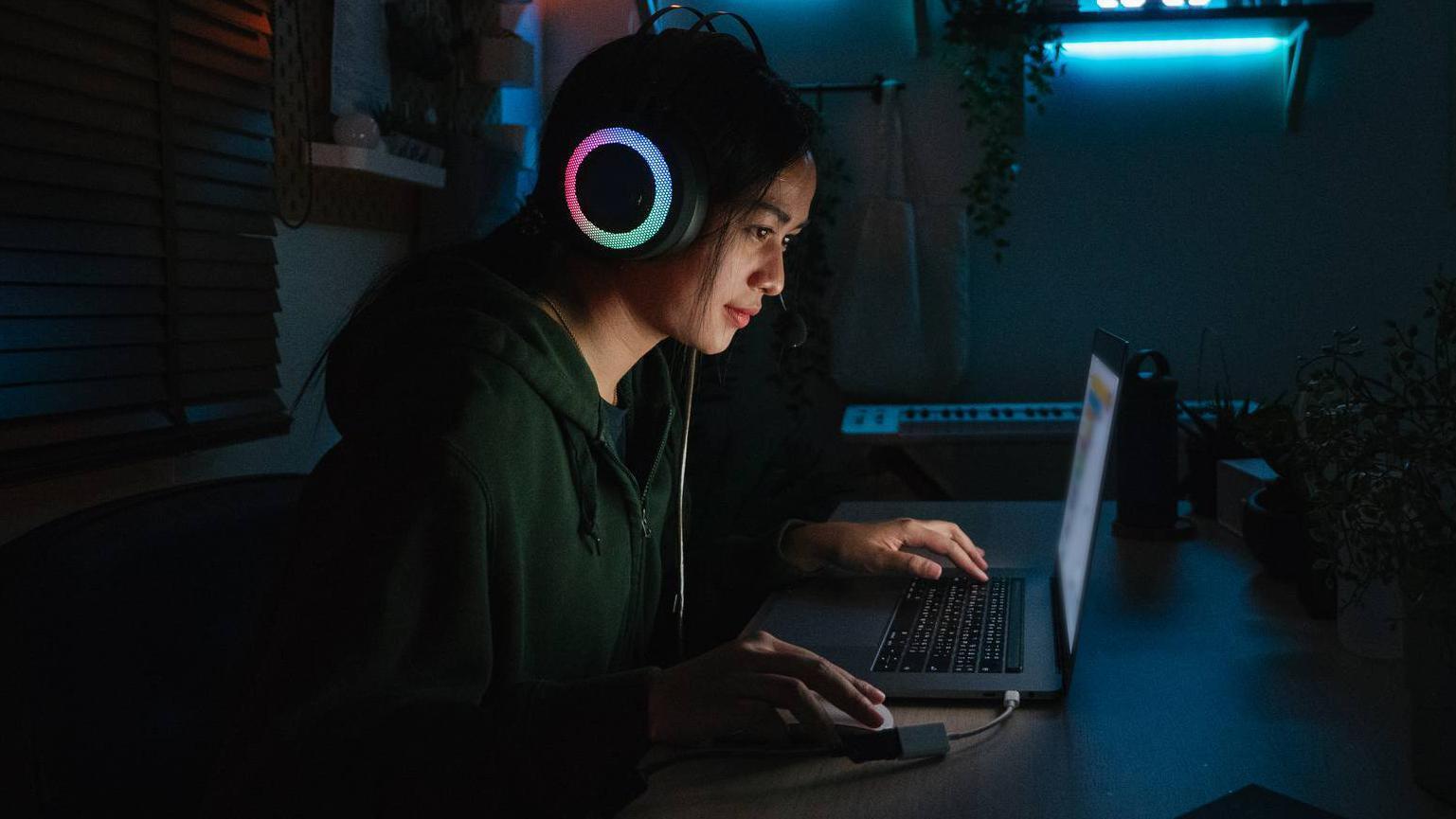
Gaming can be the cause of tension in the home, so getting a handle on what is acceptable is essential
A summer spent gaming can fill parents with a sense of dread

A summer spent gaming can fill parents with a sense of dread

IN 2018 the WHO classified gaming as a mental health condition. The classification was made because research proved that gaming prompts neurological responses in the brain that promote reward and pleasure.

When we think of the word ‘addict’, we generally think of someone unable to function in society, who is so consumed by a substance or activity they can’t break free from the habit that is destroying them. The very thing they are engaged in is altering the chemicals in their brain, which is why families trying to help a person struggling with addiction meet so much resistance.

The research from the US suggested that these multi-player online games were mood altering. Once it is mood altering, the potential for addiction is said to be present. Anyone working clinically with teenagers would have been very aware that gaming was, at the very least, impacting the harmony in houses. However, it wasn’t only at home; schools were also on the front line as they struggled to get students to attend.

I have worked in schools for over 20 years and saw, first-hand, this issue unfold and how difficult it was for many parents with a teenager consumed by gaming. I was so struck by what I was seeing I carried out research into what was happening in families across the country and turned that into a book to help parents. What I found was pretty frightening, and it was very clear to me that many families needed help.

It is important for parents to know not every child who games is an addict or will potentially become an addict, just like not everyone who places a bet or drinks alcohol will develop an issue. That is the first important thing to think about before you bring a technology policy into the family. Just because your child is playing a game doesn’t mean they are addicted.

I’m not writing this article to scare parents or to technology bash. Games are here to stay and children socialise through their games. In fact, it was those very games that connected our children as they were forced to stay in and distance from their peer groups due to Covid. So, more than likely your children will game.

However, like everything, they need to be parented so that an issue doesn’t develop. When I give talks about this topic, people often comment, ‘just get them out playing’ or ‘get them off the games and get them out’. If only it was that simple.

These comments are generally made by parents of younger children, who are not confronted with a defiant teenager who will not stop playing their games and, if challenged, think nothing about descending the house into chaos.

I hear these narratives every day in my work. Parents describe how difficult it is to parent their child’s gaming habit because the child wants to game all the time. Before I wrote my book, I might have said the same thing — just get them out — but I have worked for too long with families struggling with this. The reality is the majority of children who have an issue with it didn’t thrive at sports or interpersonal relationships. In fact, they may have struggled to make friends in person or be involved in group sports. So the games were a place where they did thrive.

What do you say to that child? Get out there and play! Their answer would be ‘with who?’ As I said, it’s not that simple.

The reason I’m writing this article is because the summer holidays are here and for many families a sense of dread engulfs them as they fear the next two months will be filled with sleepless nights of gaming, and mornings and afternoons sleeping in.

As a family, you should have a technology policy. The sooner you implement it, the better for the entire family. Last week I wrote about boundaries and how important they are to teach your children how to manage their feelings and emotions. You need a boundary for technology, but it has to be fair and doable. There is no point saying, no gaming during the weekdays only at weekends. That might be reasonable during school time, but now that summer is here you need a boundary that takes the holidays into consideration.

You also want buy-in from your child so get them involved in making the policy. Ask them how much time they think is fair. Of course, they will push for more. Expect that and don’t over-react when they ask for too much. Try to meet in the middle, but do not give up your parental authority — you are ultimately the one who decides.

Try to book end the day with gaming — that will get them up and get them home. Just remember teenagers have a heightened sense of injustice. The policy should include everyone in the house. The sooner you bring this policy into the house the sooner you’ll get harmony back.

More in this section

Lifestyle

Newsletter

Eat better, live well and stay inspired with the Irish Examiner’s food, health, entertainment, travel and lifestyle coverage. Delivered to your inbox every Friday morning.


Cookie Policy Privacy Policy Brand Safety FAQ Help Contact Us Terms and Conditions

© Examiner Echo Group Limited