Dara O'Briain muses on the effect of Elon Musk's satellites on the night sky
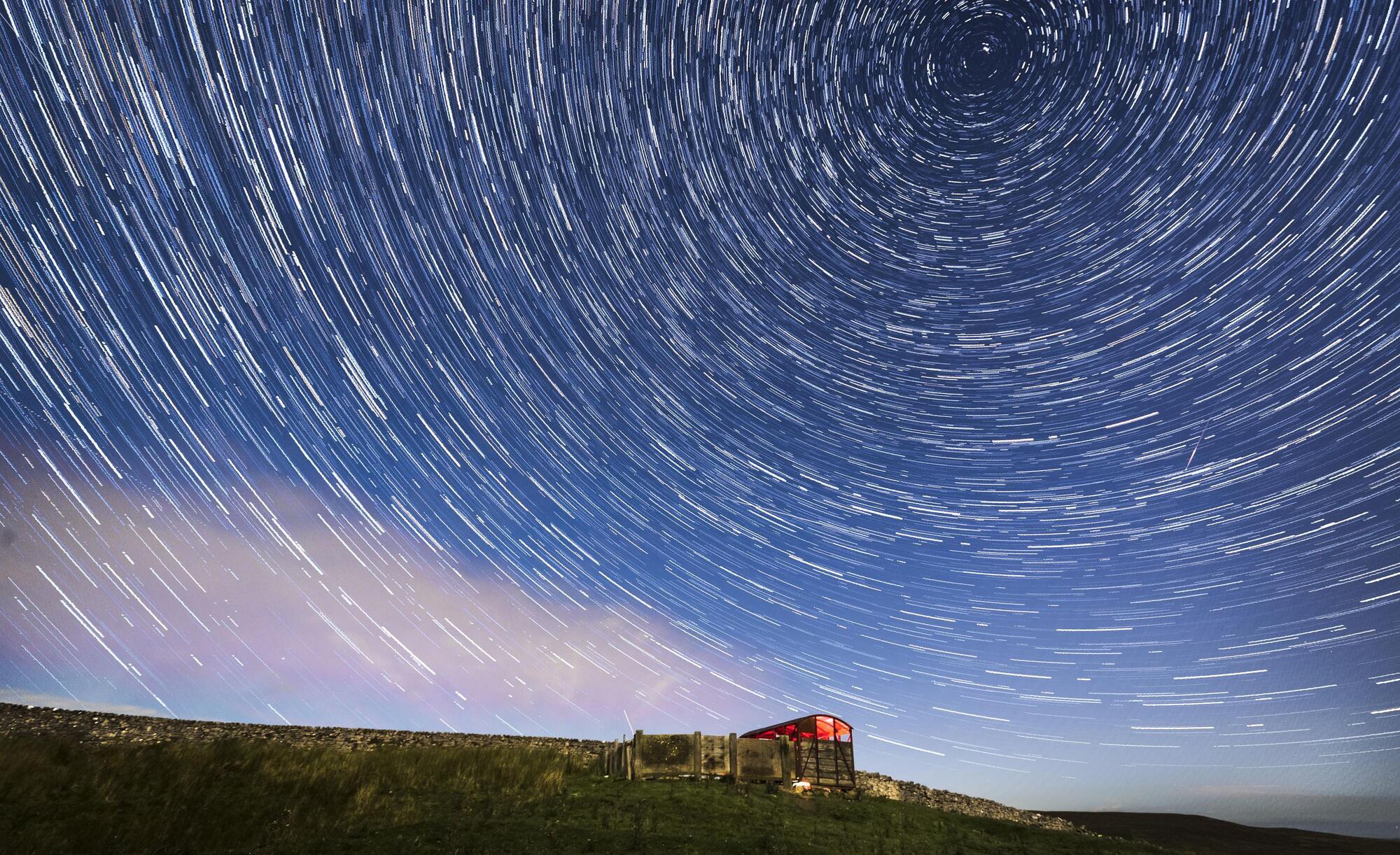
Perseiid meteor shower - stargazers like Dara O'Briain are concerned that such phenomena might be more difficult to see in future generations. Pic: Danny Lawson/PA Wire
Dara O'Briain, aside from being a Zen-master panel-show presenter, and the most famous videogame nerd in both the UK and Ireland, is a keen advocate for science - with a particular grá for astronomy.
Having hosted a number of stargazing shows for the BBC, and holding court on the subject regularly on social media, he's become a trusted voice in the field.
Last night, he took to his Twitter account to report a recurring phenomenon in recent times - the appearance of lines of satellites in the night sky, most likely down to the rollout of tech billionaire and C-tier Wario impersonator Elon Musk's Space-X company, and its satellite-borne Starlink programme.
While the idea that a network of privately-owned satellites can be flung into space to help provide wireless internet to remote corners of the world is both a reflection on, and an indictment of, the nature of tech-sector progress, it's light pollution that's of concern to astronomers.
Jesus, did anyone else just see the huge long line of Elon Musk Satellites crossing the sky? How many were there? 60? 100?
— Dara Ó Briain (@daraobriain) May 17, 2021
The light pollution created by the Starlight satellites presents issues for night-sky photographers, reliant on long-exposure and composite photography for their craft - long lines of obscuring, brightly-lit satellites are bound to create long photo-editing jobs at best, and at worst, create an unusable picture of a night sky troubled by yet more man-made space debris.
Yes, because they screw up long exposure photographs. Big streaky lines.
— Dara Ó Briain (@daraobriain) May 17, 2021
While the debate rages on, and bodies like Astronomy Ireland register their protest at the developing situation, O'Briain framed it in terms of another existential crisis, likening the risk of these satellites to the night sky with the damage wrought by sea pollution.
I feel I may seen the best of both the night sky AND the coral reefs in my lifetime, sadly.
— Dara Ó Briain (@daraobriain) May 17, 2021

CONNECT WITH US TODAY



Be the first to know the latest news and updates