Pride Month: How you can support transgender and non-binary friends
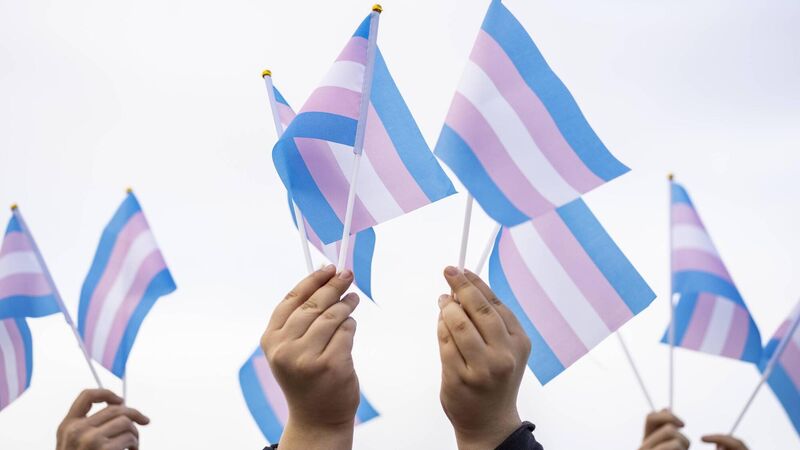
Mary Cate Smith explores how to support transgender and non-binary friends
June is Pride Month — an important milestone in recognising and celebrating diversity. There are lots of ways to support your transgender friends; some call for more time, effort, and commitment, and some simply require just showing up.
Community Development Officer for Transgender Equality Network Ireland, (TENI) Lilith Ferreyra-Carroll (she/her) is the first point of contact for most people who access the non-profit organisation. She helps people with healthcare pathways and offers guidance on how to access counselling, voice therapy, gender recognition, and other services.
"If a person confides in you that they're trans, it's really not good to be mentioning that to other people without their consent.”
While some people are quite open about their transition, others may be “stealth”, says Lilith, as being openly trans for some people can have serious ramifications for their safety, access to their families, and their physical and mental health.
“There can often be a lot of nervousness or fear of doing simple things like going shopping, knowing what sort of clothes work for them, and using the bathroom.”
Trans people who are newly out may enter a sort of “honeymoon phase” says Lilith.
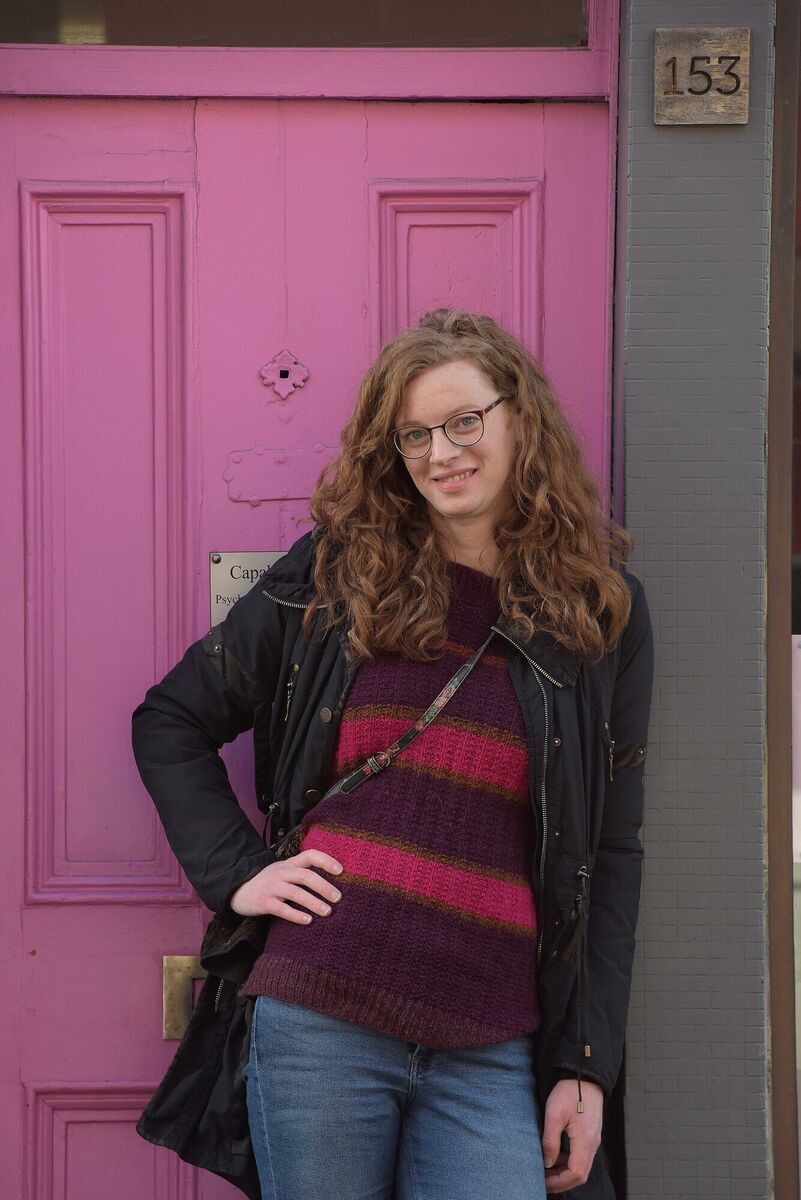
“It’s about being able to do things that they were never able to do. It can be great to be a part of that. Providing little tips and tricks — like where's the best place to get your nails done or makeup tips if the trans person is feminine in their presentation.”
Lilith came out about seven years ago and sought out literature from transgender people. She recommends cisgender people do the same, if only in solidarity with their friends.
“Trans people are being used in a culture war in the UK and that’s sort of creeping into Ireland too. by Julia Serano is a tome of trans feminism. by Shon Faye is great and lots of people recommend reading by Leslie Feinberg.
Thinly-veiled transphobia exists in workplaces, schools, and community spheres, says Lilith, and standing by without flagging it perpetuates those unsafe spaces as hostile environments.
“It’s important to call it out. Let people know that it’s not socially acceptable, whether it’s insidious or casual transphobia.”
She recommends accessing resources from TENI like their guide to transitioning in the workplace, available to empower employers and employees to support their co-workers.
If you're meeting a trans person, it's not appropriate to ask if they've had ‘the surgery.’ Leave it up to them to talk about it — only if they want.”
Some people may be happy to chat about plans for surgery (Lilith herself recently had FFS facial feminisation surgery and speaks openly about it) but it can be a sensitive topic.
Reflecting on the language we use when discussing trans people isn’t just about asking preferred pronouns, says Lilith.
“Enoch Burke, who most people probably see as a clown at this stage, managed to bring the word ‘transgenderism’ back into the lexicon. That hadn’t existed since the 90s but now it’s being bandied around.”
Trans people aren't usually included in discussions around bodily autonomy, healthcare, and legislation, says Lilith.
“The opinions of cis people often are given higher credence. More people need to be listening to what trans people need and advocating for them.”
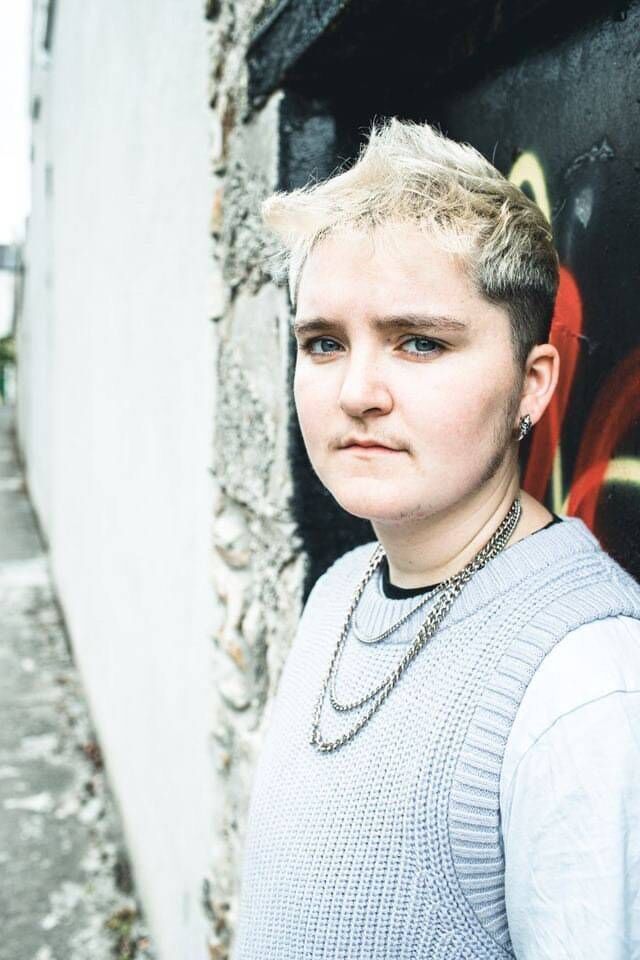
Henry James (he/him) is a transgender man and activist living in Cork. He says the most important thing a friend can do to show allyship is to listen.
"What I know I need from the people in my life so I can feel supported is a willingness to listen. I want them to hear me when I speak about my experience in comparison to theirs and what a day feels like for a trans person in comparison to a cisgender person."
"I never have the expectation of them fully understanding," says Henry.
"I believe thinking that might discourage cisgender people from engaging the transgender discourse — which is literally just us existing, loving, and feeling like everyone else. Supporting the transgender community means empathising beyond what you think you know. We are nuanced and beautiful and we exist."
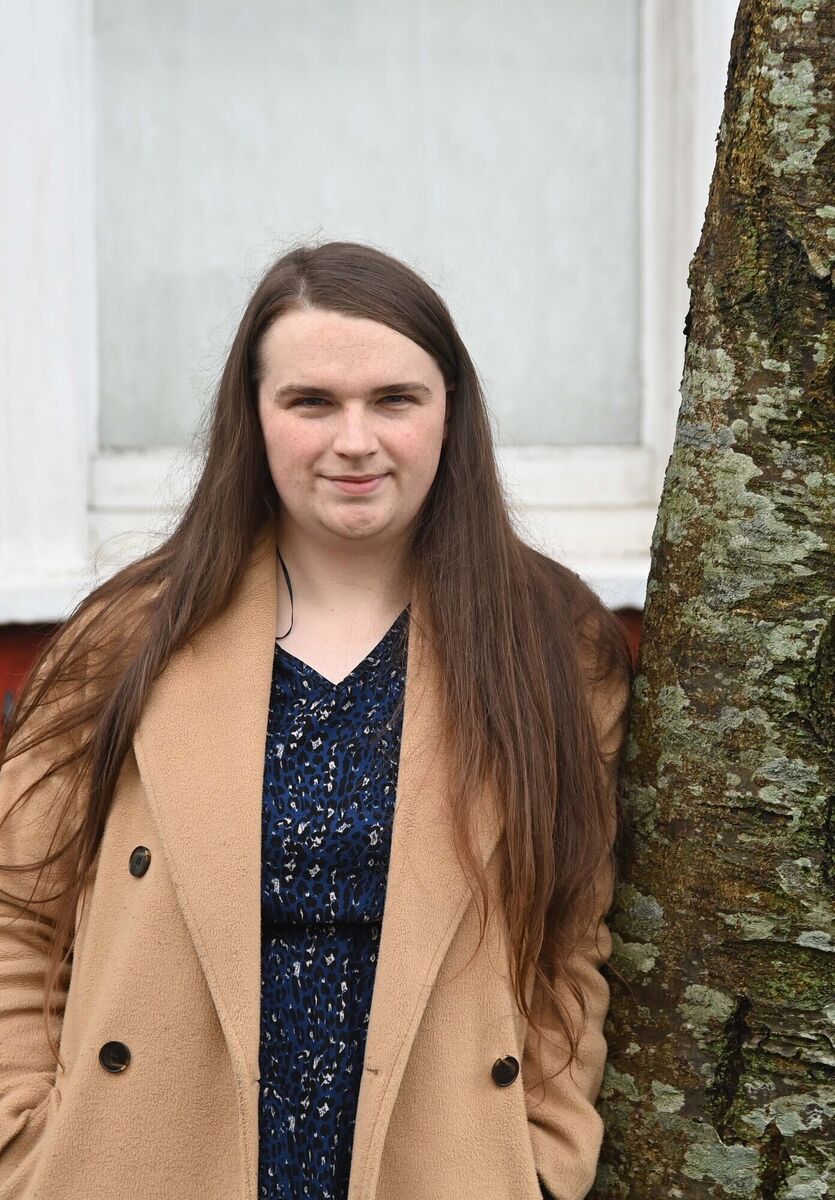
Saoirse Mackin (she/her) is a second-year law student at UCC and the co-founder of Trans+ Pride Cork.
“It's very easy to make assumptions about what your trans friends are going through,” says Saoirse, who came out when she was in secondary school after she saw the joy it brought to another trans friend.
“Be wary of what you read online. We're always being talked about but very rarely brought into the conversation. Governments write laws about what we can and can't do but trans people rarely get a say.”
“Don't ever be afraid of asking or saying the wrong thing. If you're being genuine and you're trying to educate yourself, most people are perfectly happy to answer your questions."
Saoirse organised last month's vigil in Daunt Square commemorating Brianna Ghey and reflecting on what happened to her.
“In order to actually change things, we need people who are not part of our group to advocate for us."
While some cisgender people may worry that a friend coming out will catapult their relationship into uncharted territory, it’s important to remember that you’re still dealing with the same person on the inside, says Saoirse, no matter how they present themselves on the outside.
“The person on the inside hasn't died; they might give up their name and change their pronouns but that person is still there."
In terms of misgendering someone, it’s best not to dwell on it, says Saoirse. “As long as they acknowledge it, apologise, and move on. If it's accidental, try not to worry about it — we all make mistakes and I have absolutely misgendered trans friends as well in the past.”
According to the LGBTI+ Youth in Ireland and Across Europe study, transgender youth are disproportionately affected by mental and physical illness. In addition, Ireland has been reported as having one of the highest rates of hate crime and violence carried out against transgender people (Lifecycle of a Hate Crime: Country Report for Ireland).
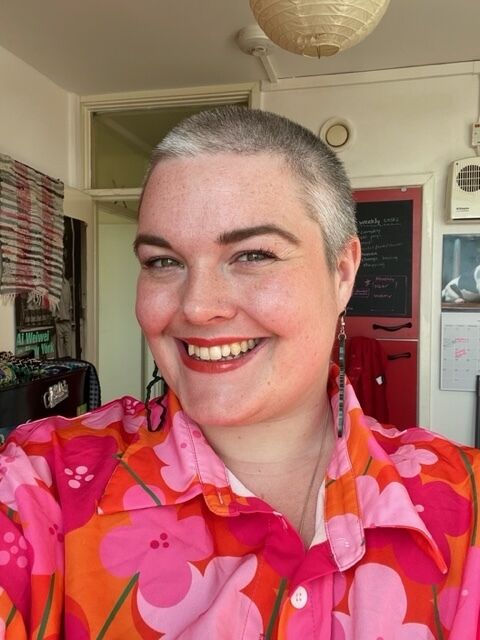
Ciara Lenihan (they/them) is a non-binary person from Cork, currently based in the UK. Part of their journey towards acceptance was leaving the country after coming out.
“Figuring that out about myself has opened up an entirely new world of joy. I attribute my being able to come out to my leaving Ireland.
Although Ciara doesn't have plans for gender-affirming surgery, they say a great way to support your trans friends is by donating to their care funds.
It’s heartening when Ciara’s friends educate themselves on trans issues but it can become very draining when they expect them to speak for the entire community.
“When people are more aware of the struggles of trans people — we are more likely to be the victims of violence — they do their own research and don't expect me to be the spokesperson.”
“My advice to people who want to be better friends to trans people is to go through your life with us in mind. If you're at an event, if you’re reading something, think about whether it's accessible to all genders and abilities.”
Ciara doesn’t believe that transphobes shouldn’t be given a voice to measure out an article or argument.
“In my mind, when one side is based on bigotry, we don't need to know. Run stories about community initiatives, about trans people in the grassroots organising stuff. We are important and we're not new.”
- BeLonG To: National organisation supporting (LGBTI+) young people in Ireland. belongto.org.
- GenderEd.ie: Online information hub and education programme. gendered.ie.
- Gender Rebels Cork: Peer support group. genderrebelscork.com.
- LGBT Ireland: Support for the LGBTI+ community and allies. lgbt.ie.
- Transgender Equality Network Ireland (TENI): Non-profit advocating for trans rights. teni.ie.
- TransParenCI: Peer support group for family and friends of transgender children, by location. transparencigroup@gmail.com,
- Turn2Me online support, turn2me.org
- Up Cork: LGBTI+ youth group.


CONNECT WITH US TODAY



Be the first to know the latest news and updates