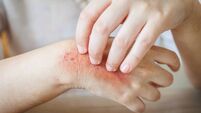
Dr Phil Kieran: My son's childhood eczema is back and it's painful
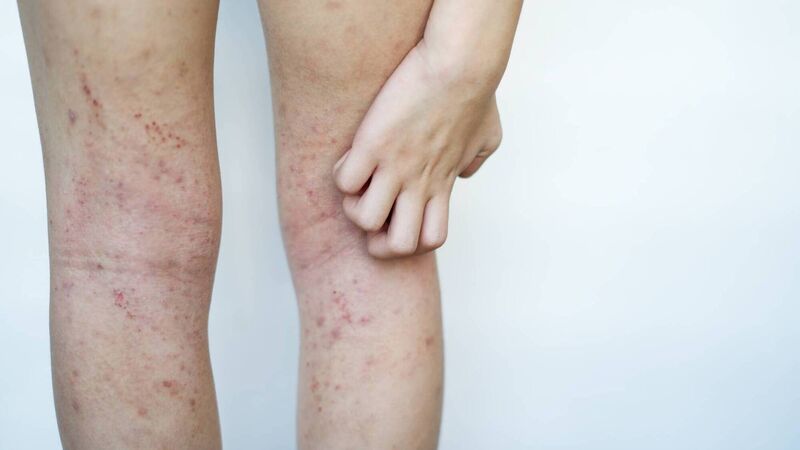
Eczema is characterised by a dry, itchy, sometimes flaky rash. It can occur on any skin but is most common in areas where the skin bends (flexures), such as the insides of the elbows and behind the knees. Picture: iStock

Eczema, or atopic dermatitis, is a very common condition affecting approximately one in five children in Ireland. It’s more likely to be present in children with other conditions that fall under the medical umbrella of ‘atopy’. These include asthma, hay fever, and food allergies.
Eczema often settles down to some extent with age. For your son, this means that although it hasn’t settled yet, there is a decent chance it will over the next few years. It is likely his skin will always be on the more sensitive side, so learning how to look after it properly now will stand him in good stead in later life.
Eczema is characterised by a dry, itchy, sometimes flaky rash. It can occur on any skin but is most common in areas where the skin bends (flexures), such as the insides of the elbows and behind the knees. The itch is an important feature as it leads to scratching, which further damages the skin, allowing it to dehydrate even more and causing more itch.
It’s important to break this “itch-scratch cycle” as quickly as possible. For this reason, I would recommend treating your son’s skin pretty aggressively rather than waiting for it to settle on its own.
One of the most important things to know is how to recognise if the skin is infected. If you notice signs of infection, see your doctor for treatment, as it can worsen quickly. Signs of infection include:
- Sudden worsening of your eczema;
- Wetness or oozing;
- Swelling, pain, or a yellow crust forming on the surface;
- Fever or feeling unwell (malaise).
Treating non-infected eczema relies on three targets: Moisturising to help it hold together, reducing itch to prevent further damage, and steroid creams to reduce the inflammation.
I would also recommend checking for any likely irritants that might be making it worse. Common triggers include pets, ‘bio’ washing powder or softeners, and anything fragranced. Soap can often dry the skin out, too, so you can use soap substitutes such as hydromol or aqueous cream instead.
You could try antihistamines to help with the itch and an over-the-counter steroid ointment for two to three weeks on the inflamed areas — provided there is no sign of infection.
Moisturising is key, and the more the better. Thicker ointments often work a bit better but are less popular with children, so finding one he likes is critical.
If these steps aren’t working or if there are signs of infection, see your doctor.
The website irishskin.ie has some really good information on eczema that’s worth a read.
If you have a question for Dr Phil Kieran, please send it to parenting@examiner.ie.
CONNECT WITH US TODAY



Be the first to know the latest news and updates