'My baby had his first heart surgery at just three days old'
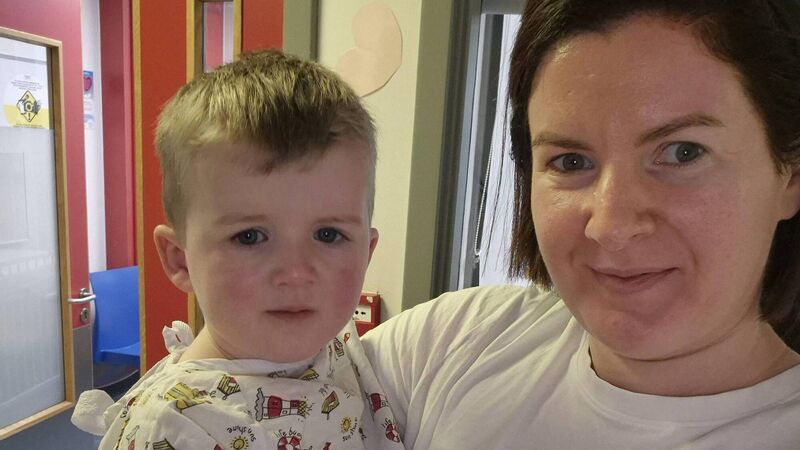
Emma Moloney and Cormac in CHI Crumlin. Cormac was born with a congenital condition affecting the left side of his heart.
“The sonographer said she felt 'a few parts were a bit small, she’d like to get advice from the professor on duty’… You just have that little knot of fear then, an instant feeling of something not quite right,” says home-economics teacher Moloney.
With the sonographer’s colleague at University College Hospital Galway also suspecting “lack of growth in part of the baby’s heart”, Moloney was referred to the foetal-monitoring clinic at The Coombe. “The few days waiting to go to The Coombe were nerve-racking.”
At The Coombe, Moloney, accompanied by her husband, David, underwent a series of scans. These confirmed hypoplastic left-heart syndrome: The left side of her baby’s heart was underdeveloped.
“We had no knowledge or history of heart disease, but they explained it very simply: Low plasticity in the left side of his heart meant it wasn’t able to stretch and grow with the rest of his body; it hadn’t grown to what it should have at this stage of pregnancy.”
The couple’s first question was whether their baby would survive. Moloney says doctors were factual and reassuring that this was a very serious condition, but there were options. “They explained step by step how they would care for me during pregnancy.”
Care included weekly scans alternating between The Coombe and UCHG. “I took time off work to rest, to keep myself as well as possible so as to get him to 40 weeks' gestation.
“The doctors also said they couldn’t give us an exact plan of what they’d be able to do until he was born — a lot of the testing would have to be done then.”
Moloney was emotional in the lead-up to being induced at 39½ weeks, and she and her husband were told they might not be able to hold their baby after birth.
“We started the induction at 6am and Cormac was born at 3.30pm. The ICU team was waiting in the room, ready to go if there were any serious issues, like his heart not beating.
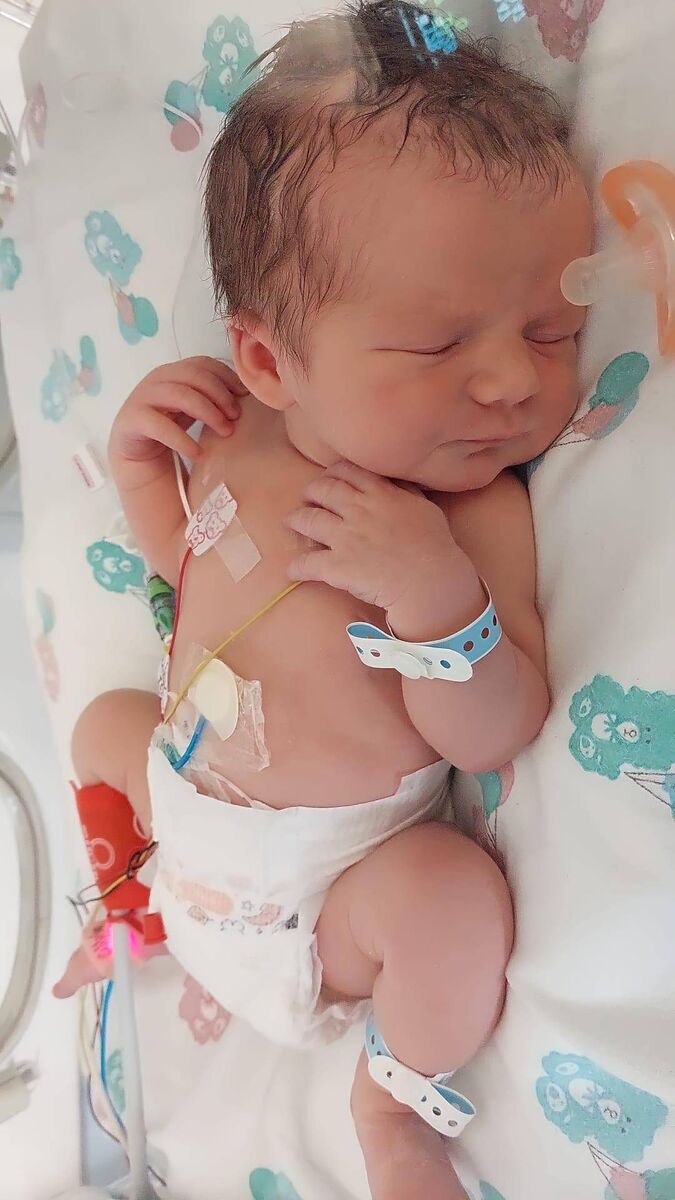
“Thankfully, he was in very good condition when he arrived. His heart was beating. ICU checked him over, got his weight: There was no panic. It was all very calm, he was very stable, and we were able to hold him for a moment.
“I was so grateful. He looked beautiful, so peaceful, healthy: Chubby cheeks, dark hair…”
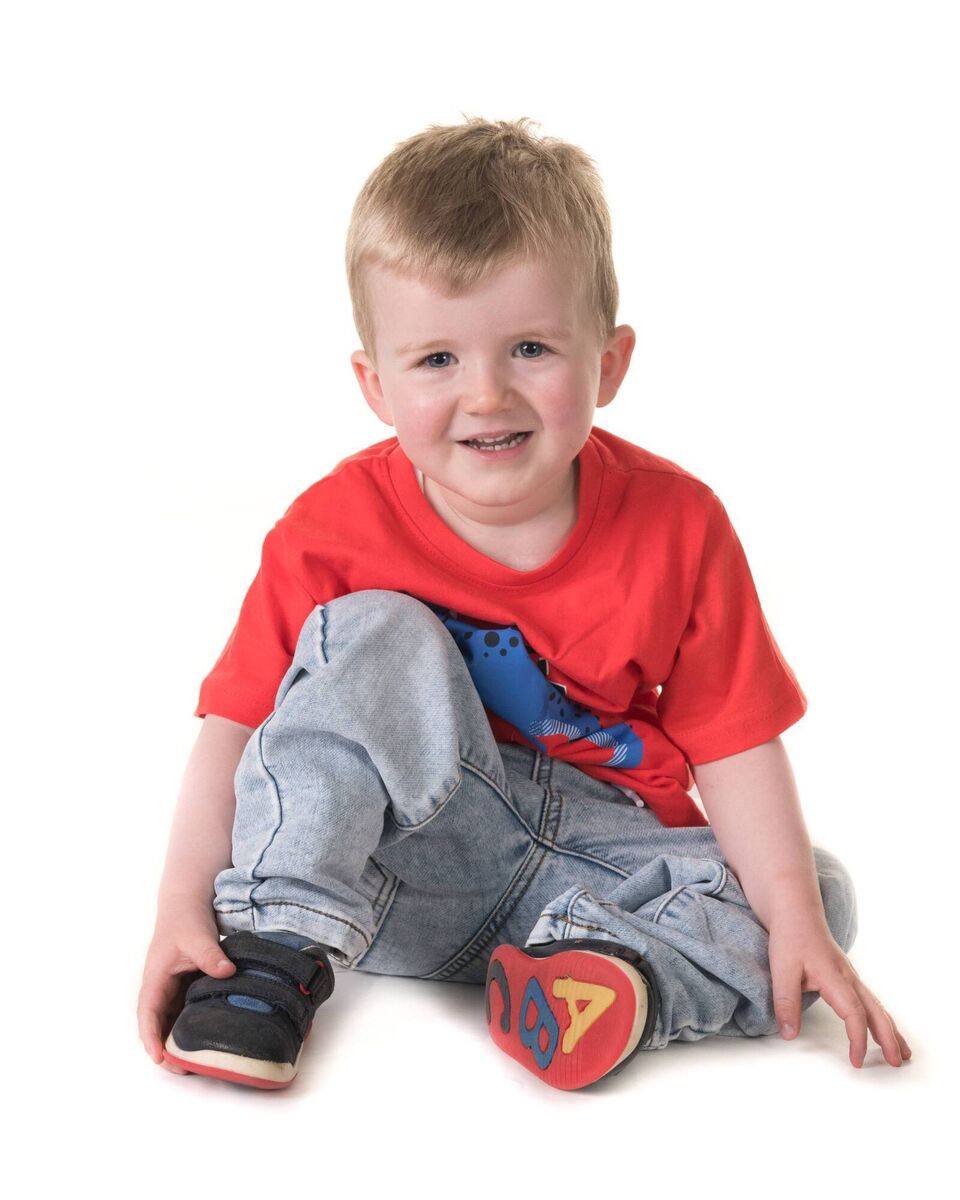
Within an hour, Cormac was taken by ambulance to Children’s Health Ireland (CHI) at Crumlin. “We knew he’d need surgery, but not what kind,” says Moloney.
At a day old, the couple were told their baby would have three open-heart surgeries: The first at three days old, the second at six months. The third is due to happen shortly — Cormac turned three earlier this month.
She recalls the “tough day of waiting” during Cormac’s first surgery. “We went with him to theatre… I went to the chapel in Crumlin, lit a candle, and prayed. David and I just sat together in silence in the hospital’s parent accommodation for those eight hours.”
Hourly updates from their clinical nurse specialist, and every few hours from the surgical team, helped them to cope. The surgery was successful, and once Cormac’s parents were trained in how to tube-feed him and in administering his medications, he came home at three weeks. His second open-heart surgery, at six months, went well, and he has had two stents inserted in his aorta and left pulmonary artery.
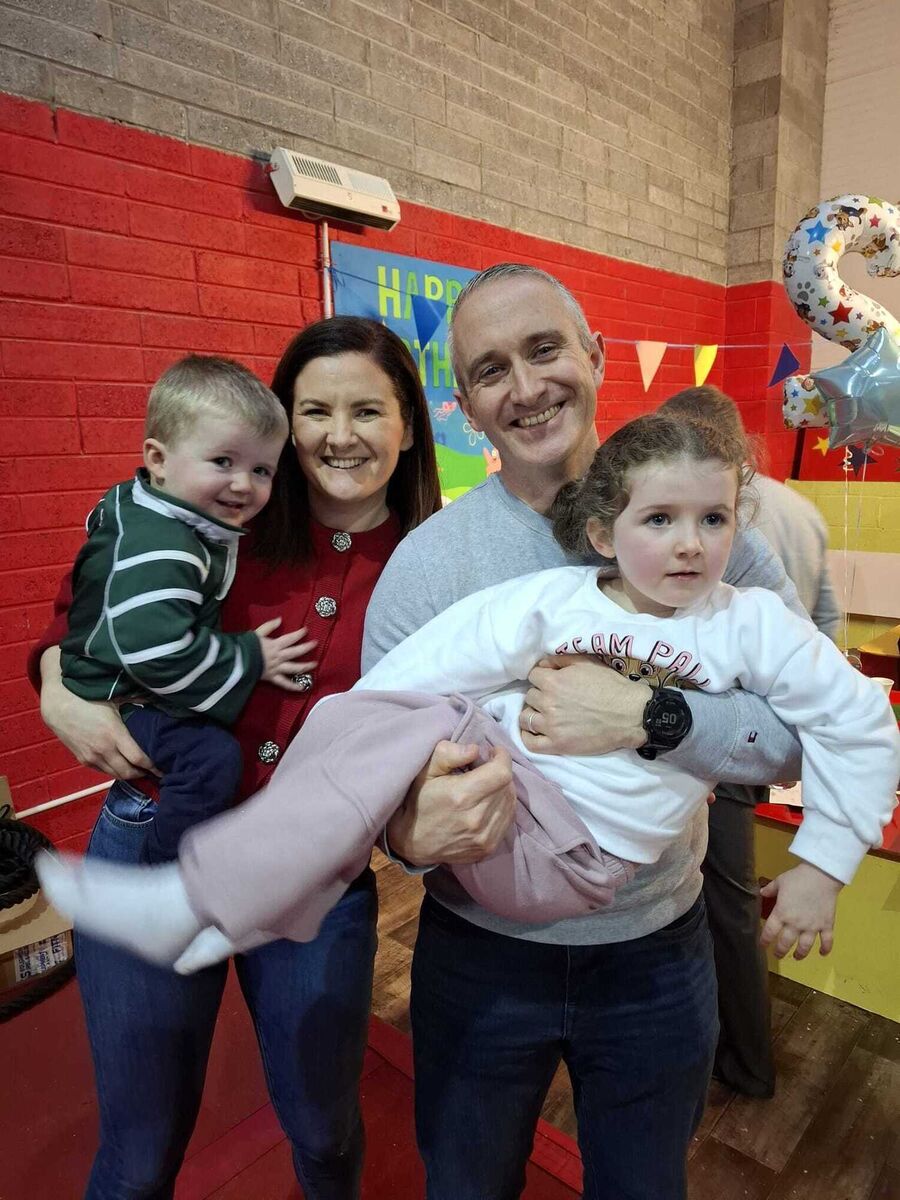
Moloney is apprehensive about his upcoming, third surgery. “It’s huge open-heart surgery, with many risks. My biggest prayer is that he comes out the far side and is well after. Also, when he wakes up this time, he’ll be so aware of the wires and machines — it’ll be a much more frightening experience for him.”
But she has faith in her son. “He’s so resilient, so tough, and hardy. And he’s in really good health.”
Why it happens is unknown, though having a parent or sibling with CHD can slightly increase risk.
In Ireland, 500-600 children are born with CHD each year, almost three times the number of childhood cancer diagnoses. Up to 70% of diagnoses are made at the 20-week maternal scan, and 90% of children are expected to reach adulthood.
With February being CHD Awareness Month, national support organisation Heart Children Ireland has produced the for school-going children with the condition. Developed collaboratively with families and schools, the manual is a tool to ensure children are adequately supported at school. It provides teachers and classroom assistants with a greater understanding of CHD and of an individual child’s needs.
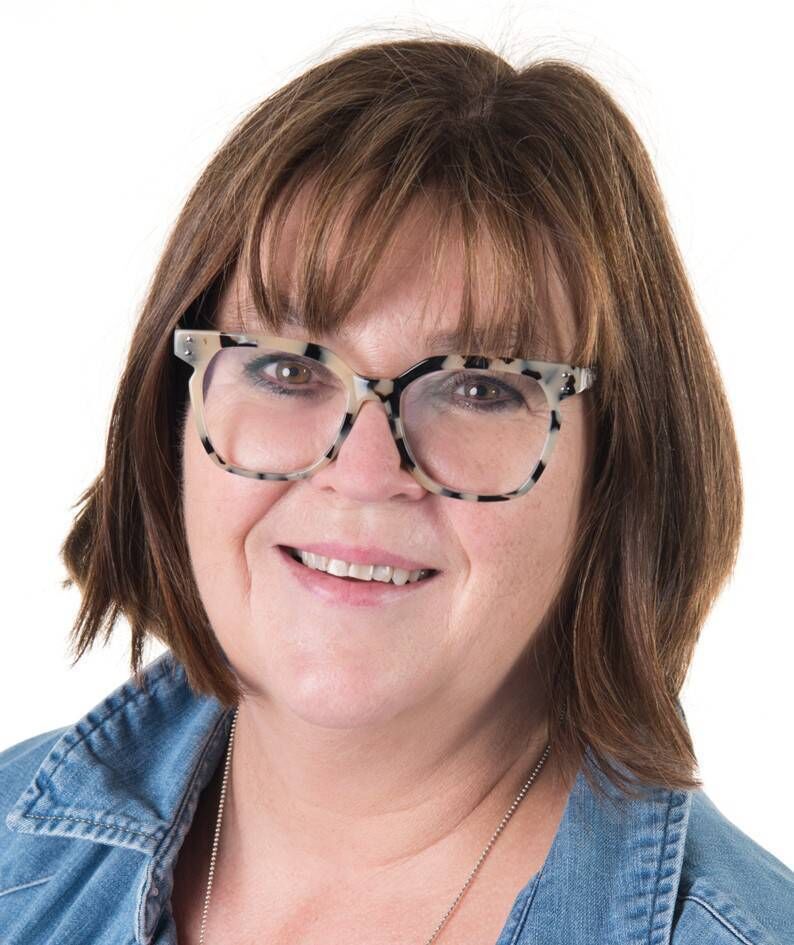
Heart Children Ireland chief executive Sheila Campbell says the manual will be an indispensable aid for schools. “Some children with CHD may have [extra] requirements, additional needs related to reduced energy levels and increased learning supports. Some may have needs around managing their medical condition.
“Of course, every child is different, so the manual helps map out each child’s requirements, going through details of their specific medical condition and the treatments they’re on. For example, it can identify school activities a child may find challenging, such as walking between classrooms, PE, playing team sports, or getting cold on the playground.
“It then offers solutions for each situation: Allowing a pupil to leave a class early to get to the next, or setting out what PE and sporting activities they can do, or [letting] the child stay indoors at playtime if the weather’s cold and wet.”
Some children become fatigued quickly, while those with complex CHD often cannot maintain high concentration, so Campbell highlights the need for regular breaks. “I remember a parent whose child was falling asleep in class; the teacher presumed he was on the PlayStation all night.”
The manual explains what CHD is and includes a form to be completed by the parent and the school, with details such as the contact numbers of the clinical nurse specialist and the hospital, a description of the CHD the child has, and the implications of this for them. This form is kept on file in the school.
Campbell says: “It’s about setting down the information, so everyone who needs access to it has it. The parent who has so carefully minded their child needs reassurance that all information to be able to handle any medical emergency is known by the school, that there’s a pathway to respond if there’s a crisis.”
Professor Damien Kenny, congenital cardiologist consultant at CHI Crumlin and the Mater Hospital, says the manual will help educate children about their own heart disease. “As children get in to later childhood and early adolescence, [they] should be included in conversations regarding their heart defect. Giving children some responsibility for the manual encourages ownership and engagement with the medical system; caring for their hearts becomes a joint responsibility.
“Their hearts can be more vulnerable to lifestyle choices, so they may need to make different decisions compared to peers about their health as they get older.”
Back in Tulla, Cormac is “a typical little boy, running around, full of devilment and beans”, who gets on great with his five-year-old sister. For Moloney, thinking of him starting pre-school in September, the manual brings great reassurance. “It’s so useful and comprehensive. I’ll have given the whole big picture of his needs and care and I won’t be worried I’ve missed something.”
Download the manual at heartchildren.ie
- Heart Children Ireland’s ‘The Beat Goes On’ conference, for people with CHD and their families, takes place in Dublin this Saturday, February 21, as part of Global Congenital Heart Disease Awareness Month. Register at heartchildren.ie

CONNECT WITH US TODAY



Be the first to know the latest news and updates