Dr Phil Kieran: I'm worried about my teenager's stress fracture  
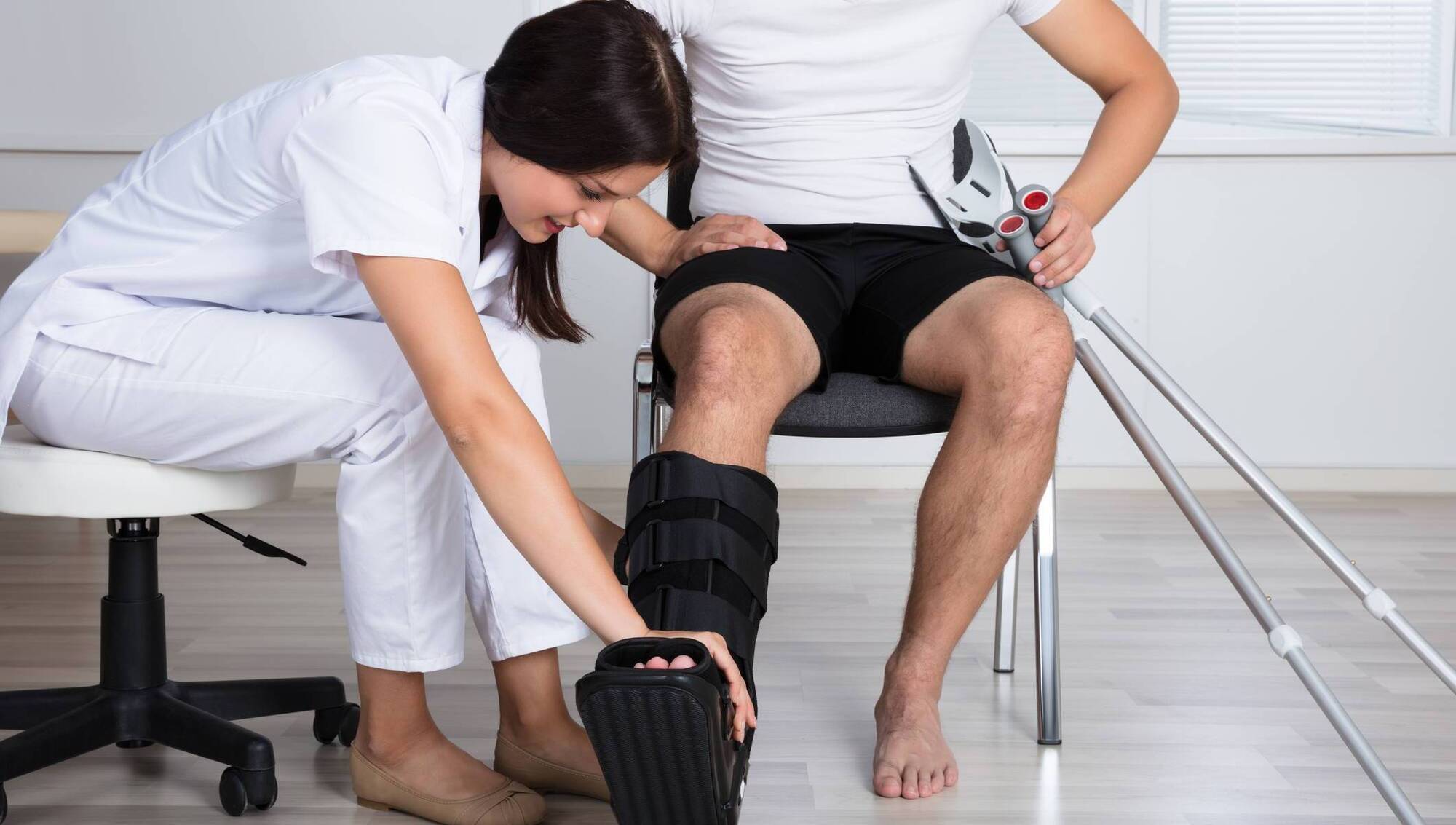
It is essential that your son take his time to fully recover from this injury
Dr Phil Kieran: I'm worried about my teenager's stress fracture  

Stress fractures are one of those injuries most people have never heard of until they know someone who has one. However, they account for up to 20% of all sports-related injuries Picture: iStock 

My 17-year-old son has joined the local running club and works out in the gym whenever he gets the chance. He was recently diagnosed with a stress fracture in his leg and is now wearing a boot. Is this a sign that his body cannot handle the constant pounding? Or does he need to change the way he trains?

Stress fractures are one of those injuries most people have never heard of until they know someone who has one. However, they account for up to 20% of all sports-related injuries.

You ask whether your son’s body can handle the pounding and whether he needs to change his training, and the answer to both is yes. These are really two sides of the same question, and it can be easier to understand if we first look at how training impacts the body.

When we exercise, we put our body under strain. This strain, in turn, prompts it to make changes to better cope with these demands in the future. 

An obvious example of this process is the formation of calluses on our skin. If you spend time working with your hands in a physical job, the soft skin will thicken and harden where it comes under the most pressure. This response is to stop the skin from breaking down in the future when these loads are encountered again.

If you stop putting pressure on this area of the skin, the callus will thin and soften again. It’s the very same principle that underlies how exercise works.

When we run for extended periods, as your son does, several things happen in our body. 

First of all, our leg bones are subjected to more frequent and harder impacts than they are when we walk. Also, our hearts have to pump blood faster and for longer, and our muscles endure more strain than they are used to.

For our bones and muscles, this often causes microscopic injuries. This might sound serious, but these micro-injuries are what drive changes. Given time and resources, the bones will thicken, and the muscles will enlarge and become more efficient.

Many people fall into the trap of over-enthusiasm when they start a new exercise. They feel that we will improve faster if they put in more effort. This is true, but only up to a point. 

Our muscles and bones need time to rebuild after we stress them. Rest and nutrition are at least as important in training as putting in the hours.

It is essential that your son take his time to fully recover from this injury, as returning to exercise too early may leave him with a long-term weakness. When he does return, he should use the resources in his running club to get good advice on total training and the amount of recovery time he needs.

A general rule of thumb is not to increase training load by more than 10% per week, and this should help him avoid injury in the future.

If you have a question for Dr Phil Kieran, please send it to parenting@examiner.ie

Read More

More in this section

Cookie Policy Privacy Policy Brand Safety FAQ Help Contact Us Terms and Conditions

© Examiner Echo Group Limited