Dr Phil Kieran: What can my teen do about his flaking scalp?
"The exact cause or mechanism for this condition isn’t fully understood, but I’ll go through what we do know about and what I can recommend for your son."
Dr Phil Kieran: What can my teen do about his flaking scalp?

Seborrhoeic dermatitis (SD) is an inflammatory condition of the skin (dermatitis) in areas where there is a high concentration of oil glands (seborrhoea). 

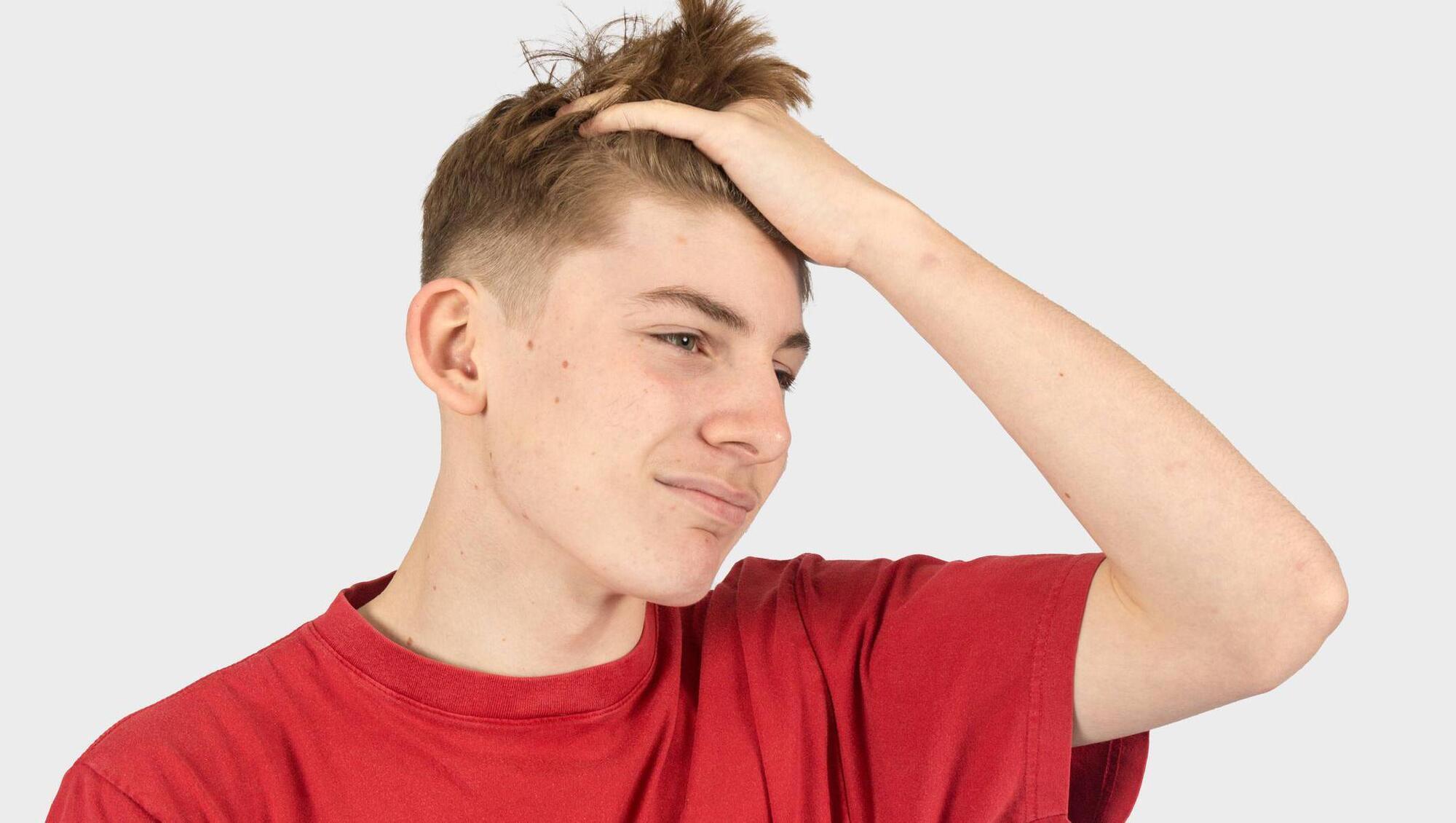
My teenage son suffers from seborrheic dermatitis. It mainly affects his scalp, leaving it red and flaky. The doctor prescribed a steroid treatment, which clears it, but it quickly returns. Is there another approach we could take, or will he grow out of it in time?

Seborrhoeic dermatitis (SD) is an inflammatory condition of the skin (dermatitis) in areas where there is a high concentration of oil glands (seborrhoea). 

When it is restricted to just the scalp and isn’t particularly severe, this is what we call dandruff. The exact cause or mechanism for this condition isn’t fully understood, but I’ll go through what we do know about and what I can recommend for your son.

We seem to see a higher level of the yeast Malassezia in people with SD. This yeast is present on everyone’s skin, but some people are more sensitive to its effects or by-products. The effectiveness of some anti-fungal treatments in this condition supports this link.

There is a genetic component which makes some people susceptible to SD by causing an increased reaction to substances that most don’t react to. This reaction leads to skin redness, flaking or scaling, and, in some cases, intense itch. The fact that the condition is due to the individual’s skin or immune system is unfortunately why there isn’t a definitive cure for SD, and it must instead be managed to reduce symptoms long-term.

In your son’s case, the topical steroid he has been using works by reducing skin inflammation, causing the itch to subside, the redness to clear, and the scaling and flaking to reduce. I would suggest he also looks at using a shampoo that reduces Malassezia on the scalp, as it can yield good results and is safer to use long-term than steroids. If these medicated shampoos work, they can often control the condition with use once or twice per week.

However, there are two main difficulties with anti-fungal shampoo treatments, and understanding them is important to reduce frustration. Firstly, they often need prolonged skin contact. The exact duration varies by product — usually five minutes — but since many men have very brief showers, keeping the shampoo on the scalp long enough can require using a timer.

Recurrence frequently happens. This is because the medicated shampoo reduces yeast levels, but some usually remain. The remaining yeasts may be resistant to a specific anti-fungal and can grow back over time. If this happens, switching to a different shampoo or antifungal ingredient may help.

Your son may find that one shampoo works well for three to nine months, but then stops working. I will often rotate a patient to a different product at that stage and on to a third option before cycling back to the first treatment.

I would suggest your son talks to his GP about anti-fungal shampoos or creams and encourage him that this can often be fully controlled without too much difficulty, but will need to be managed going forward.

  • If you have a question for Dr Phil Kieran, please send it to parenting@examiner.ie 

Read More

More in this section

Cookie Policy Privacy Policy Brand Safety FAQ Help Contact Us Terms and Conditions

© Examiner Echo Group Limited