Consumer Corner: When should we teach children about the value of money?
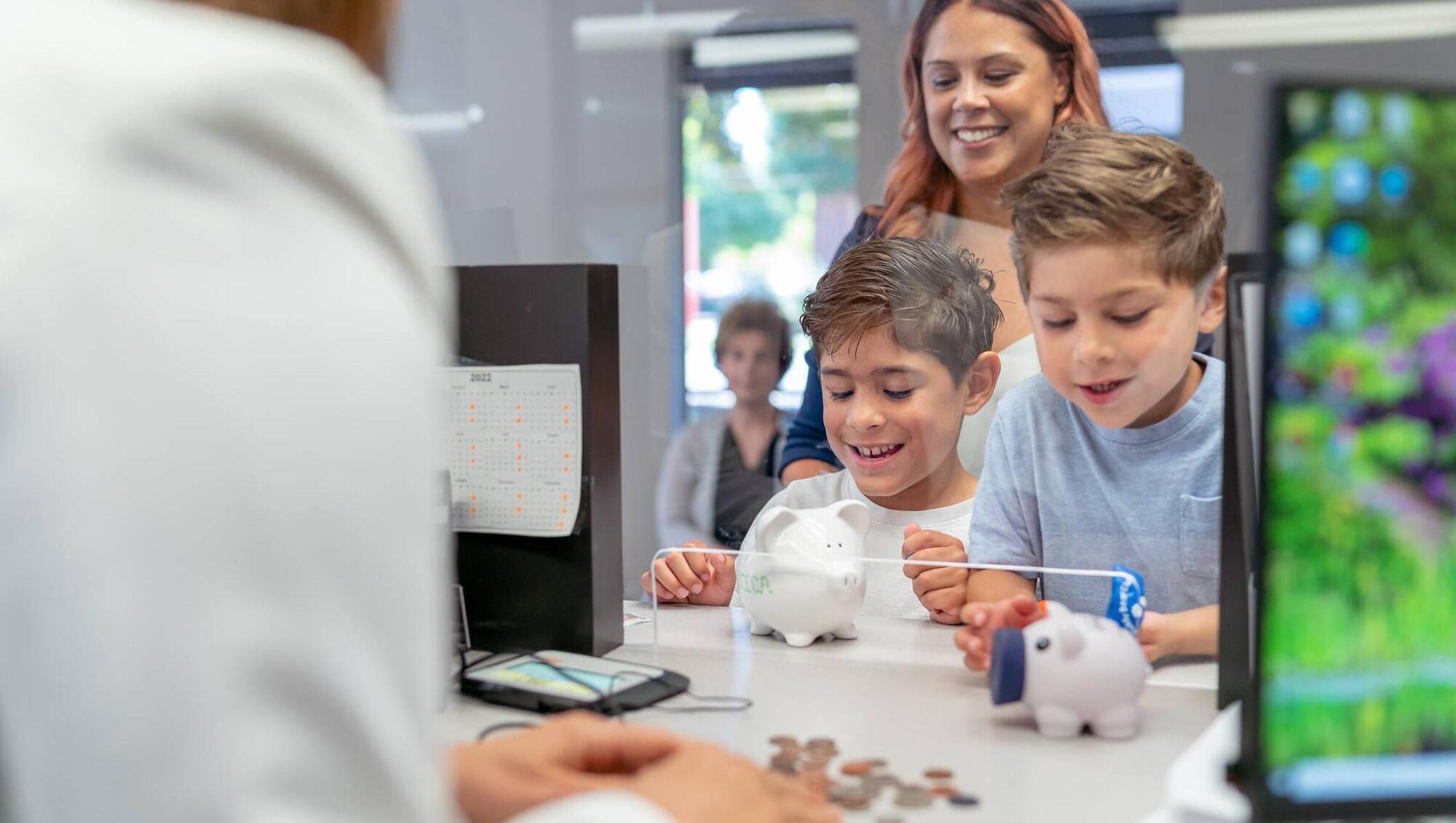
Pic: iStock
Back to school is just around the corner. However, after months of spending on summer camps, days out, treats, and back-to-school materials, parents might be wondering about teaching children the value of money. After all, money is central to our everyday lives, so isn’t it right that children should have some understanding of it, even when they are young?
Financial expert Frank Conway, of Moneywhizz, says that there needs to be a mix of approaches to teaching young people about money and these approaches should apply practical experiences and, also, a more formal approach.
Parents should start teaching their children the practicalities of money at an early age.
“One lesson is that money is finite. So, if parents do give money to their children, either as gifts or perhaps an income from about-the-house jobs, then the lesson is money is finite, that they need to manage it and when it is gone, it is really gone and pleading for more won’t always work,” says Mr Conway.
He says that by not teaching this basic lesson and by not imposing some limits, negative financial behaviour in the years ahead could be triggered.
“I would refer to this as encouraging a spending personality, with little consideration for the consequences, which is good for neither the parent nor the child.”
A more formal approach to teaching about money is also needed, and children may not get that in the classroom. For example, they should learn about how money works, the concept that money borrowed needs to be repaid, how the magic of compound interest can work in your favour or against you, depending on your personal approach.
Mr Conway says you should be educating children about money by the age of seven. Research from the UK says that children start to understand the concept of money from the age of three, and that by age seven they can start to develop money behaviours that can last a lifetime.
Discussing money with children is also helpful and taking them shopping is a good way to show them the basics. One idea that Mr Conway suggests is tasking children with seeking out the best value on washing-up liquid, or milk, or a mix of shopping items.
“For example, teach them to read and understand the cost per litre, or where there is more nutritional value on some items. That shopping is not just about price, it is also about the quality and value of spending that matters.”
Pocket money, of course, is also a great practical approach to teaching about money.
However it is very important to set limits.
“Give pocket money, but also let them know that it is for them to manage it and when it is gone, it really is gone. The lesson here is that money is finite and it does need to be managed when it comes to saving and spending decisions,” says Mr Conway.
One way many parents are giving pocket money now is via Revolut, which has special young adult accounts.
The credit union is another great way of introducing savings accounts to your children.
“Kids will use technology in the future, so starting early needs to be introduced at some stage. But here, there are also important lessons, like understanding the many areas of fraud that others will attempt. To teach them from a young age to protect their account login and password details. To question suspicious requests seeking to access their accounts. This is all really powerful and they are important skills to learn from an early age,” says Mr Conway.
Another nice way to introduce a way of earning money is by getting children to collect bottles and cans they can then recycle at the Deposit Return Scheme centres at supermarkets.
That way, they will see a return from their efforts and will get a voucher for what they have collected to use in store. Doing jobs around the house, in exchange for a certain amount, can be a great way for them to build up savings towards something they would like. Having a goal is a great way to encourage children to save their money. If they know that something comes easily they will be less inclined to save.
You can also encourage your children to get creative and come up with their own ideas for making money. Could they take a neighbour’s dog for a walk once a week or wash a grandparent’s car? It can be a great way for them to see what fun ideas they can come up with.
“Earning income is a person’s greatest financial resource. Managing that will be their greatest strength. Experience and education will serve to support them to develop a positive understanding of the money system and how to build some financial skills, and resilience for the future.”

CONNECT WITH US TODAY



Be the first to know the latest news and updates