Dr Phil Kieran: My teen has severe acne — cutting out fast food and sugar has made little difference
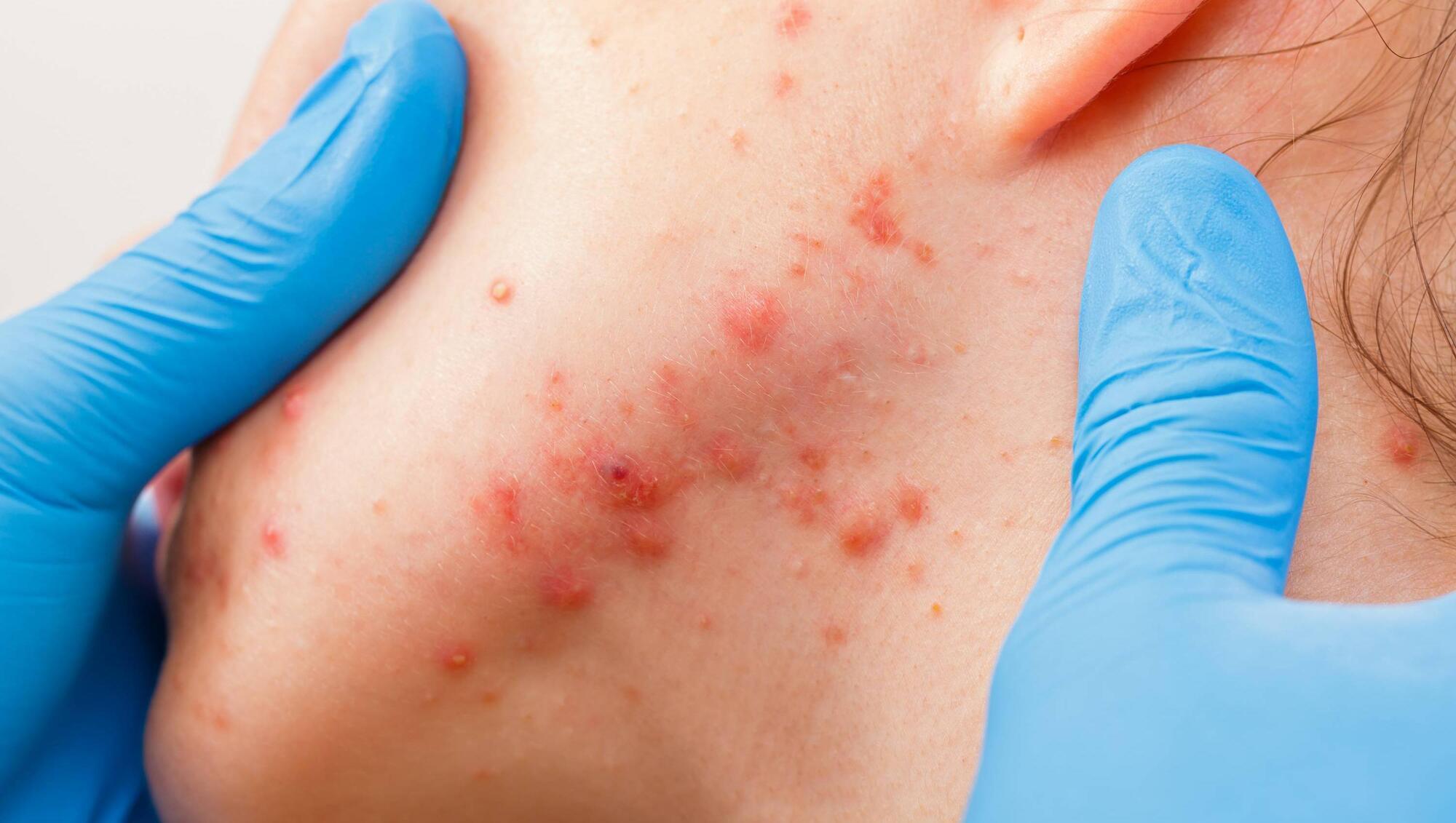
Dr Phil Kieran: Acne varies from mild (less than 30 lesions), involving only one area of skin with small lesions and no scarring, to severe (over 125 lesions), with prominent inflamed pustules or cyst-like lesions on multiple body areas and scarring. Treatment plans will vary depending on the severity and type of acne.
Usually, I advise on self-management before telling people to see their doctor. However, in this case, it sounds like you have already tried several things, and they haven’t worked, so medical intervention is likely necessary.
Acne is a common issue affecting approximately 80% of younger people in Ireland. It causes spots to form on various areas of the skin and most often starts around puberty. The causes of acne are complex. They include changes in the interplay of the oil glands in the skin (frequently affected by changing levels of testosterone), imbalances in the bacteria present on the skin, and changes in the immune system.
Acne varies from mild (less than 30 lesions), involving only one area of skin with small lesions and no scarring, to severe (over 125 lesions), with prominent inflamed pustules or cyst-like lesions on multiple body areas and scarring. Treatment plans will vary depending on the severity and type of acne.

Acne causes several different types of spots, each with a different treatment strategy. Generally, for mild acne, we recommend starting with simple skin care advice. I suggest using a gentle, non-soap-based skin wash, as this is usually closer to the skin's pH. Taking care when washing the skin is also important, as scrubbing can increase inflammation, exacerbating the problems.
Dietary advice for acne is difficult as little evidence supports the impact of commonly blamed foods such as chocolate or dairy. However, reducing fatty processed foods and eating more vegetables is likely to be beneficial for almost anyone.
If the acne is scarring or more severe, it is a good idea to seek medical support to manage it. This will usually start with a topical treatment for your specific subtype of acne. Doctors often use a three-month course of oral antibiotics with a topical treatment to settle it. For women, the oral contraceptive pill can be very helpful, as the oestrogen can help the skin dramatically, so don’t be surprised if this is what the GP recommends even though contraception is not needed.
For more severe cases such as your son's, I would have a low threshold for referral to a dermatologist to consider more aggressive treatment with a drug like Roaccutane. This is a retinoid which can be very effective for settling acne. It can have side effects, and I would always be aware of the potential for mood changes with it. However, in resistant and scarring cases, it can be very good.
- If you have a question for Dr Phil Kieran, please send it to parenting@examiner.ie