Kangaroo care: How holding premature babies skin-to-skin can boost their development
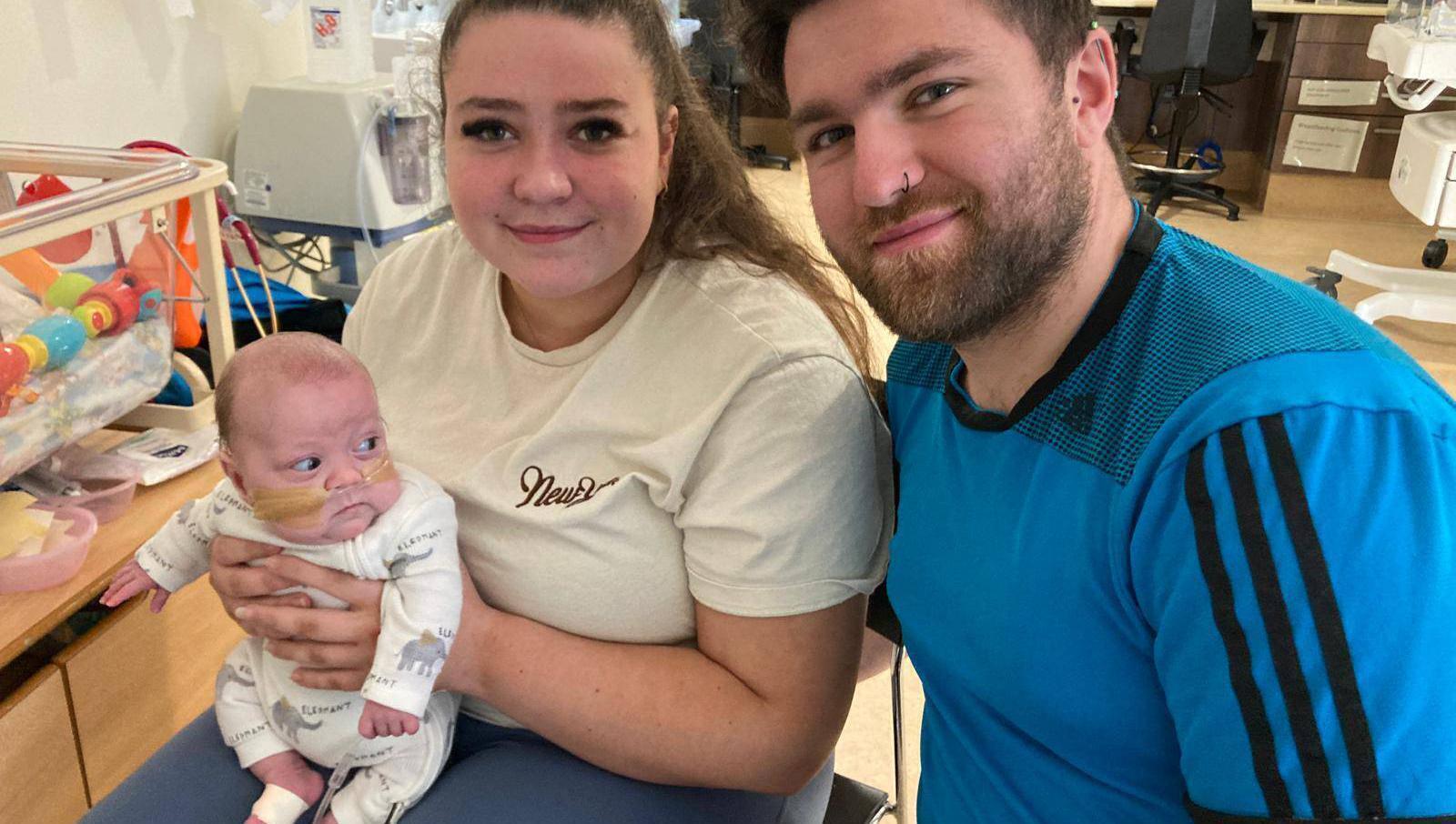
Courtney Long and Eoin O’Connor, with their son Alfie
For three weeks, Alfie, born prematurely at less than 25 weeks gestation, lay in the incubator too unwell even to be held by his parents.
Staff at the neonatal intensive care unit (NICU) in Cork University Maternity Hospital had been telling Alfie’s parents, Courtney Long and Eoin O’Connor, about kangaroo care and its benefits. The practice involves holding a nappy-clad infant upright, skin-to-skin on his mother’s bare chest, and is inspired by the way kangaroo mothers carry and care for their joeys.
Kangaroo care first caught the attention of the medical world in Colombia in the late 1970s as a response to the shortage of incubators and the high prevalence of premature births. A team at San Juan de Dios Hospital in Bogotá introduced it as an alternative for providing warmth, protection, and nourishment to preterm infants.
“The World Health Organisation has pointed out that kangaroo care has saved so many lives worldwide,” says Susan Vaughan, clinical nurse specialist in Neonatal Individualised Developmental Care and Assessment at CUMH. “Most parents have heard of kangaroo care but a lot think it’s just a cute thing, just cuddling your baby, whereas it’s much more than that.
“A lot of parents don’t realise we can take babies so small out of the incubator and that it can benefit them so much. Babies born at 23 weeks gestation, weighing just 500g, and on ventilators, we still take them out for skin-to-skin.”
Describing how babies feel secure in kangaroo care because they’re hearing Mum’s heartbeat — which they’ve heard for the last number of months — and they also “have the scent of Mum”, Vaughan says the practice helps the baby to thermo-regulate. “The mother adjusts her temperature to help co-regulate her baby’s temperature. If her baby’s cold, mum’s body temperature goes up; if he’s hot, her body temperature goes down.”
Outlining some benefits, she says: “Babies held skin-to-skin by mum or dad put on weight faster. They come off their breathing support quicker. Their vital signs are more stable — their heart rate, breathing rate, oxygen. They’re more stable because they’re not stressed.”
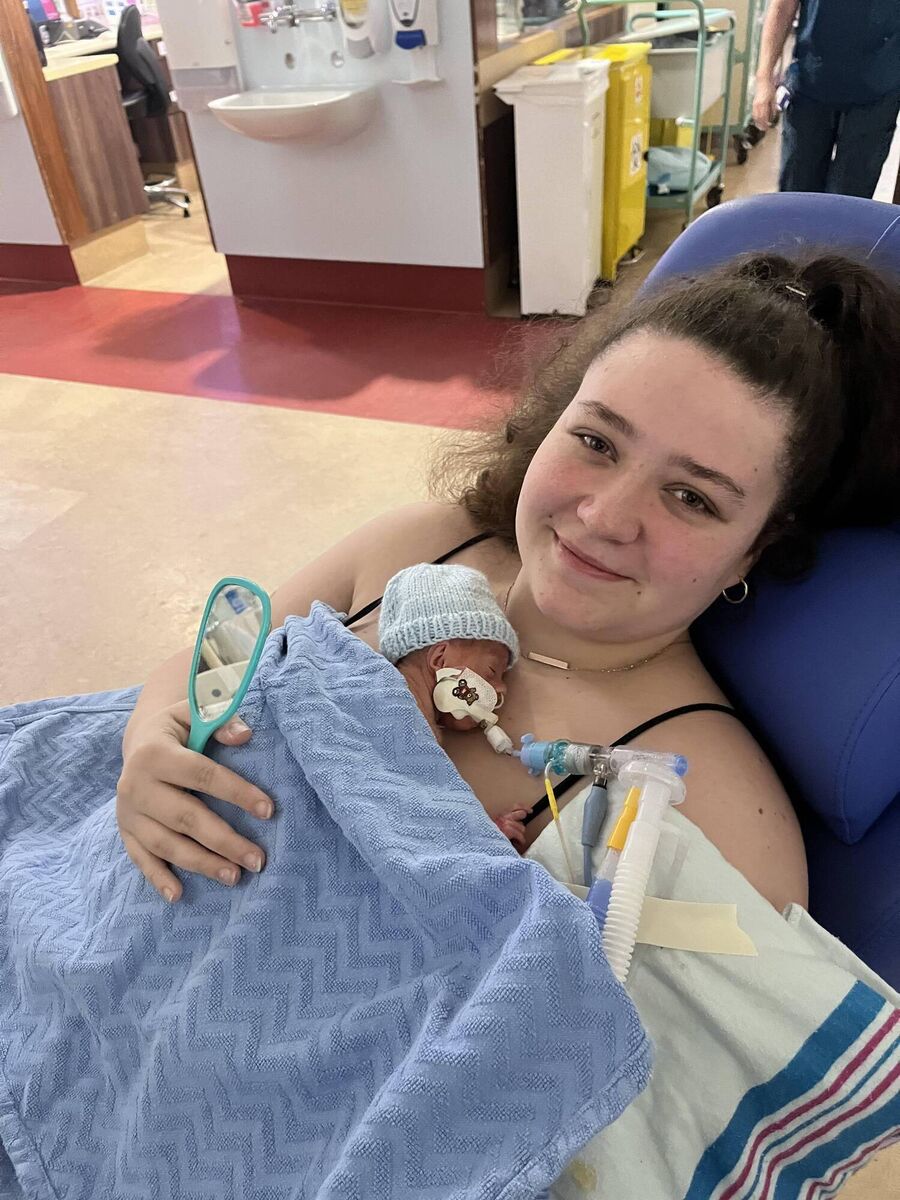
For Courtney and Eoin, the day finally arrived when they were told their tiny baby was well enough to come out of the incubator for kangaroo care. The Waterford-based parents had previously lost a preterm baby girl at 22 weeks and were terrified. “Alfie was on the heaviest breathing support,” explains Eoin.
“There had been moments when we didn’t think he’d make it,” says Courtney.
Eoin recalls conversations with doctors where it seemed their son was “at the end of the road – and then he’d come back again”.
Recalling feeling “so scared” taking him out of the incubator, Courtney says: “It was terrifying. There were tubes and wires everywhere – you’d be afraid you’d knock something off…. But it was so worth it. Once I took him out, all the fears went. It was such a special bonding moment. That very first time I had him out was one of my happiest moments ever.
“It gave me a sense of hope and relief. It made me feel connected — his head on my chest, and he was just sleeping. It was so nice.”
Eoin says doing kangaroo care for his son moved things to a whole different plane for him. “When he was in the incubator, I was worrying, constantly looking at the monitors, at what all the stats meant. When I got him out, it gave me a break mentally from constantly worrying about that.”
Both parents saw kangaroo care hugely helping Alfie relax — and his breathing improved. “Everyone was amazed at how good his numbers were when he was out. He was often on his lowest oxygen support when he was out with us,” says Courtney.
Eoin recalls how in the initial weeks, they could only touch Alfie through “little portholes in the incubator” and could only watch everybody else help him. “Being able to take him out for kangaroo care made us feel not useless in the process.”
Courtney agrees. “It made us feel we were able to do something for him, something no one else could.”

Sarah Hennigan, clinical nurse manager in the National Maternity Hospital’s neonatal department, says kangaroo care is an integral part of care within the unit. “There can be a lot of nerves about taking the baby out – in the incubator, they can look very vulnerable. So there’s definitely parental anxiety.
“We eliminate it by explaining the benefits — taking baby out for kangaroo care supports bonding and attachment for the parent. It has been shown to lessen symptoms of anxiety and post-natal depression.”
Hennigan says kangaroo care is a lovely antidote in the “overwhelming environment” of NICU.
She says skin-to-skin has been shown to positively impact baby’s brain development. “Because baby spends more time in a quiet sleep phase – and the baby’s midline physical positioning has been shown to be good for brain development.
“Kangaroo care is associated with long-term neurological outcomes in preterm babies and can often lead to an earlier discharge home.”
Aside from the positive effect on breastmilk production, which Vaughan says kangaroo care has been shown to promote, skin-to-skin benefits both parents equally. “Dads feel more connected to their babies. They bond better with them, they’re able to read their baby’s cues and they feel more empowered being part of the baby’s care,” she says.
When it comes to the right time and conditions for kangaroo care, Vaughan says the question is always: Will it benefit the baby? “Everything’s baby-led. Taking baby out of the incubator is stressful for them – they have to be lifted out with all their breathing apparatus and IV lines. So you have to get a lot right.
“The unit has to be nice and quiet. The baby has to be well — you wouldn’t take a baby with unstable blood pressure out of the incubator. And the parent has to be able to stay. The WHO recommends doing at least one to two hours of kangaroo care [at a stretch], so if mum or dad can’t stay beyond 10 minutes that won’t benefit the baby.”
In November 2022, the WHO launched new guidelines to improve survival and health outcomes for babies born early — before 37 weeks of pregnancy (more than one in 10 births globally) — or small (under 2.5kg birth weight). These guidelines say kangaroo care should start immediately after birth, without any initial period in an incubator.
It marks a significant change from earlier guidance and common clinical practice, which was for an initial period of separation from their primary caregiver, with the baby first stabilised in an incubator or warmer, which would take on average, around three to seven days. However, research has now shown that starting kangaroo mother care immediately after birth saves many more lives, reduces infections and hypothermia, and improves feeding.
“The first embrace with a parent is not only emotionally important, but also absolutely critical for improving chances of survival and health outcomes for small and premature babies,” said Dr Karen Edmond, medical officer for newborn health at WHO.
Kangaroo care is adopted by midwives throughout CUMH and the NMH. “In delivery and in theatre — and onwards from there — parents are encouraged to do skin-to-skin because it facilitates bonding and promotes lactation,” says Hennigan.
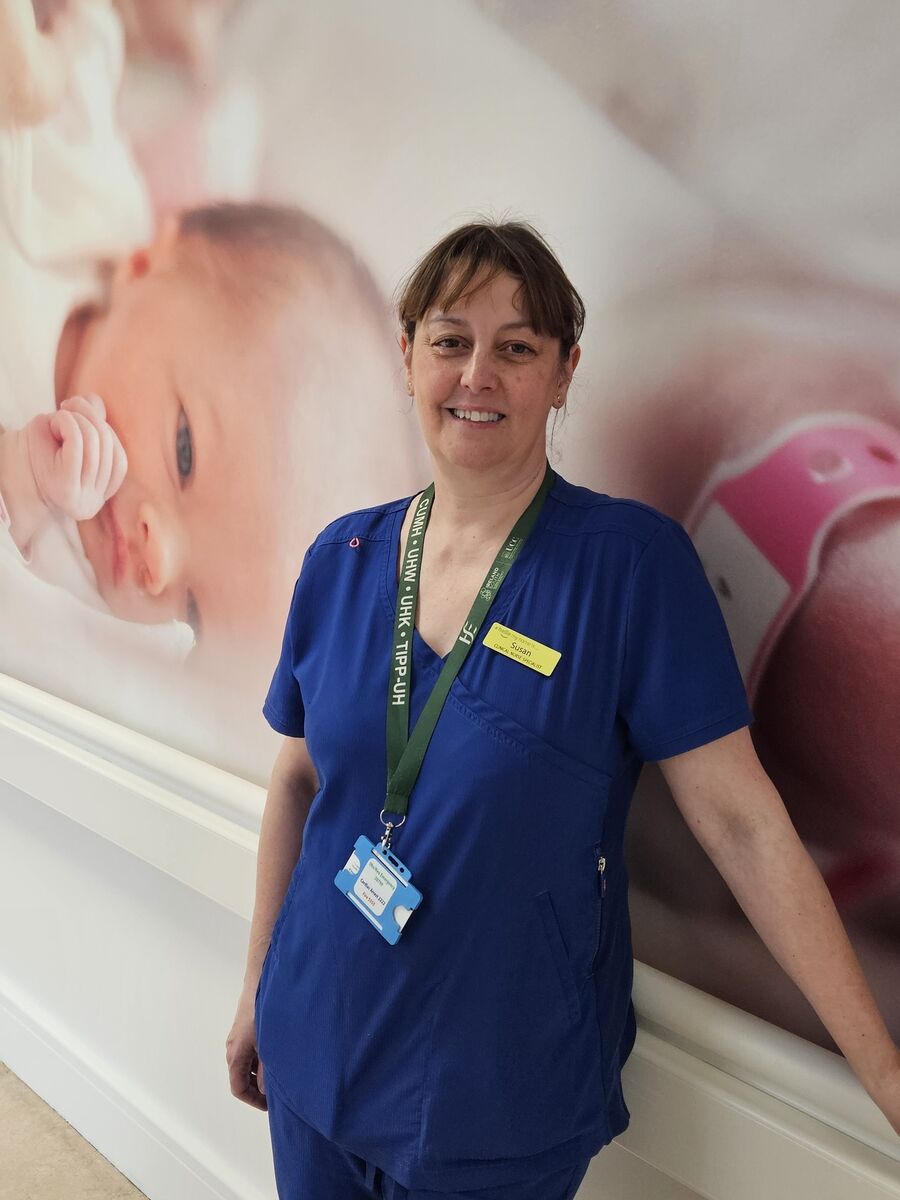
Vaughan says the practice helps babies adapt to the world outside the uterus.
And Alfie, born last December — his due date was in late March — is still at CUMH and doing really well, reports Courtney. “We’re hoping to have him home by the end of the summer.”
Her advice on kangaroo care: ‘Do it as soon as you can’.
- Tomorrow, May 15, is International Kangaroo Care Awareness Day. To mark the occasion, the NMH Foundation has provided funding for kangaroo care packs for all babies in the hospital’s NICU. Included in the pack are a sensory book,, and a mirror so parents can see baby’s face when doing kangaroo care.
- CUMH will display posters and share information about kangaroo care benefits on staff and parent education boards. Videos will also be available. The lactation team will also raise awareness in maternity wards about the importance of skin-to-skin contact for well babies.

CONNECT WITH US TODAY



Be the first to know the latest news and updates