“What in the world is a castle in Kildare going to do for me and my family?”
It was Paula Cahill’s first thought when the social worker talked about “getting them to Barretstown”.
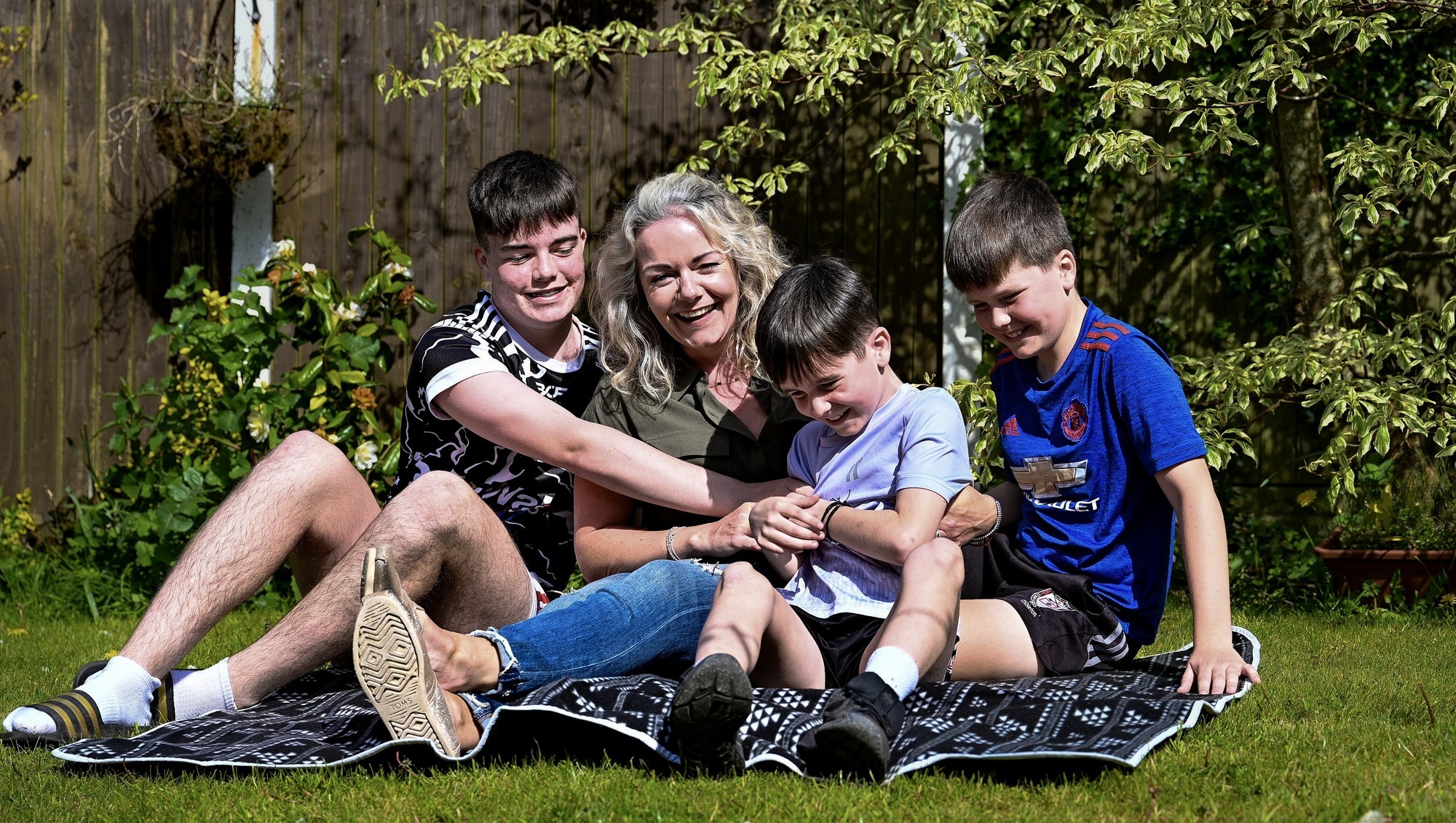
The Cork mother of three and her partner, Thomas, were beside their youngest son’s cot in Crumlin Children’s Hospital. “He was asleep. Thomas and I were still in absolute shock,” says Paula, who lives in Midleton.
The nightmare had begun weeks earlier, on Valentine’s Day, 2016, when 14-month-old Tom was diagnosed with a grapefruit-sized tumour on his left kidney. The benign tumour was removed, along with the kidney. Just eight days later the Cahill family — including Tom’s brothers, Jack and Charlie, then aged six and three — were in Barretstown on a camper’s weekend.
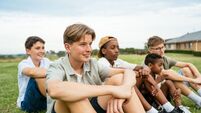
Supported by 24/7 medical care on a 500-acre campus, Barretstown provides therapeutic recreation camps and programmes to children affected by cancer and other serious illnesses. Since 1994, Barretstown has welcomed 120,000 campers, and a report launched last month by Health Minister Stephen Donnelly, marking its 30 years of service, put the social value of Barretstown’s programmes at €1.9bn.
But Paula still had to experience Barrettstown to realise how special it would be for her family. “We went with trepidation, thinking, ‘What if something happens to Tom?’ We were reassured there would be a doctor and nurses on call. But I was also thinking, ‘This is a camp for sick kids —I don’t want to be part of this club.’
“How wrong were we? It was one of the best weekends. It helped heal us,” says Paula, who especially appreciated the benefits for her older boys.
“All the attention had naturally been on Tom, but in Barretstown nobody was talking about a ‘sick brother’, nobody was making a distinction around being sick. Everybody’s just a child there and for Jack and Charlie it was all about them. I remember the first night, hearing them belly-aching laughing. We hadn’t heard them laugh in weeks. It still brings tears to my eyes. In Barretstown, it was all about the laughter, the fun. It’s therapeutic and it gets into you.”
‘Like a big hug’
Paula and Thomas didn’t know then how much they would need Barretstown over the following years. With Tom’s surgery over, they believed they had their happy ending and planned to get married later that year. “Coming up to the wedding, Tom wasn’t great [health-wise]. In the dark recesses of my mind, I was thinking, ‘this is the way he was before’. When we came back from honeymoon, my mother who’s a nurse said ‘he’s definitely not right’.”
A hospital visit confirmed the worst. “His left lung was completely covered with a tumour. He was getting no air in and only 70% in his right lung. How he was functioning, we don’t know.”
Hospitalised in November 2016, Tom had his second birthday in Crumlin in December. Paula says his condition was “touch and go” and recalls nights “when we didn’t know would he make the morning. Thomas and I taking turns sleeping on a couch bed in the room, waking up and seeing the ICU team there with Tom”.
Tom was treated with chemotherapy, followed by what Paula says was her child’s “only chance of survival” — Removal of the left lower lobe of his lung, along with part of his diaphragm.
“It was horrific thinking about it. We handed over our gorgeous little boy — two and a half years old — to the surgeons, who were amazing, and we didn’t see him for 11 hours.”
Tom was discharged two weeks later. His final chemotherapy session was in August 2017, followed by 10 sessions of radiotherapy. “Children that age have such bounce back-ability. He came home and immediately wanted to be outside with his brothers, pottering around,” says Paula.
She recalls the “breath-holding” every time they returned to Dublin for Tom’s three-monthly scans. “Each time, the scans were clear. Now, we’re at once-yearly appointments.”
In third class now, Tom loves life and “is stuck in GAA and soccer”. He’s thrilled that his dad has bought him a ticket to see Manchester United play their last game of the season this month. “Looking at him, you’d never know there had been anything wrong until he takes his top off and you see the scars [from surgery] on his little body. He doesn’t remember any of it.”
But his brothers remember. “I used to give Tom injections in his leg to boost his white blood cells. His brothers would distract him. But he’d scream and the boys dreaded that. And with any infection, we’d have to bring him to hospital, so there was a lot of uncertainty for his brothers: If we went to hospital, would we come home with him?”
This is where the power of Barretstown really matters. Its mission is to rebuild the lives of children affected by serious illness, and those of their families, too. Paula can testify to this. “We’ve been five times to Barretstown and we’d go five times more. It’s like a whole lot of people put their arms around you and give you a big hug.”
With its activities — archery, horse-riding, movie-making as a family, being out in the woods — Paula says Barretstown peels things back to what’s important. “What they do there is very simple, but the benefits are extraordinary.”
Needs of the whole family

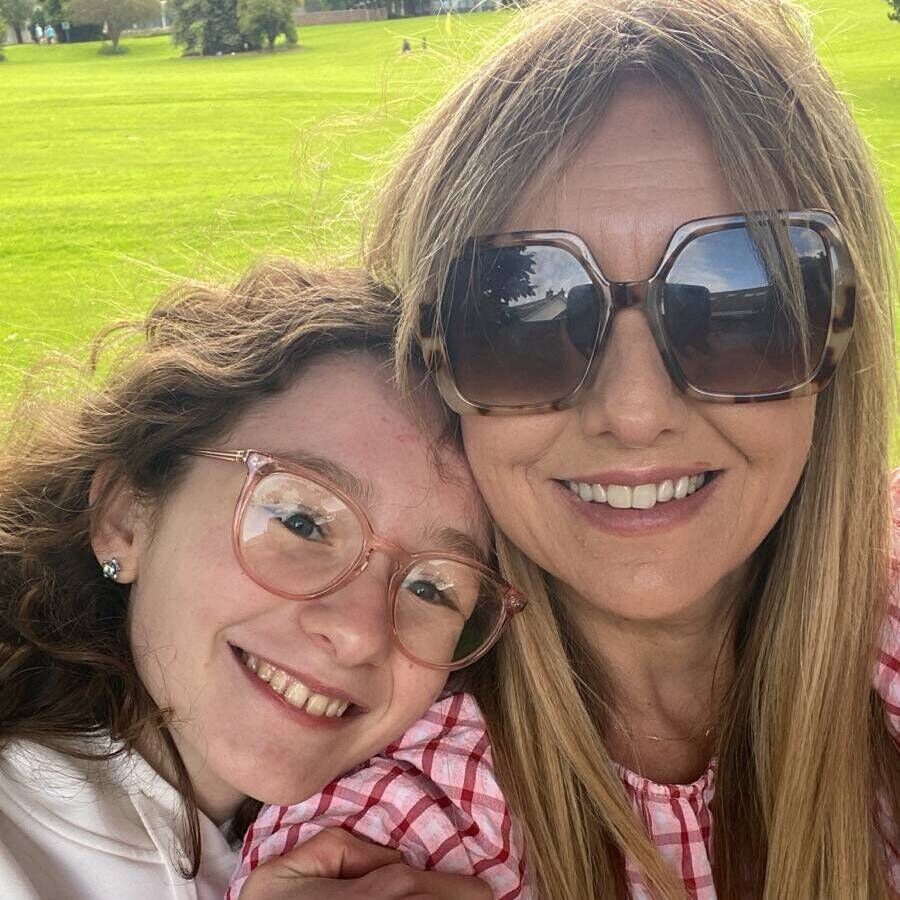
There is a magic about Barretstown, says mother of four Aoife Clarke, who has had two family weekends there. Barretstown entered her life after her second child, Alice, now 14, was diagnosed with leukaemia as a two-year-old. “It was summer. We’d been away on holiday. Alice was bruising an awful lot. And she was so tired, she kept falling asleep. I thought she’d picked up a virus.
“On our third day home, I came in from work and my mum said, ‘I think you need to bring her to the doctor: She’s unusually tired, she’s been asleep all morning on the couch’.”
The GP saw Alice at 4pm. That night, she was in Crumlin Hospital receiving full blood and platelet transfusions. “She was hooked up to fluids and had started chemo. [Leukaemia] impacts very quickly, once diagnosed you have to act fast,” says Aoife.
Alice’s “very precise schedule” of chemotherapy continued for three years, initially in hospital and then mostly at home. “She finished treatment just before she turned five. She had the summer as a buffer and then started school in September. I can’t think of many worse things for a child than being so sick for so long.”
Since then, Aoife says the family “have never looked back, from a cancer-perspective”.
Alice is in great form. “She’s very kind-hearted, very insightful. She loves reading. She’s hell-bent on being a midwife. She has a very positive view of medicine. She likes that hospital-based world. She loves small children, and she’s very practical, so I think she’d make a great midwife.”
Aoife describes Barretstown as a wholesome, good place: “Every time I drive through those gates, I get very emotional.”

Her son, Ben, 25 — he was 13 when Alice was diagnosed — went to Barretstown’s teen camps. While pursuing outdoor activities there, he discovered a talent for leadership and did a leadership training course.
“Barretstown not only looks after the child with the illness, it looks after the whole family; it sees the individual needs of families,” says Aoife.
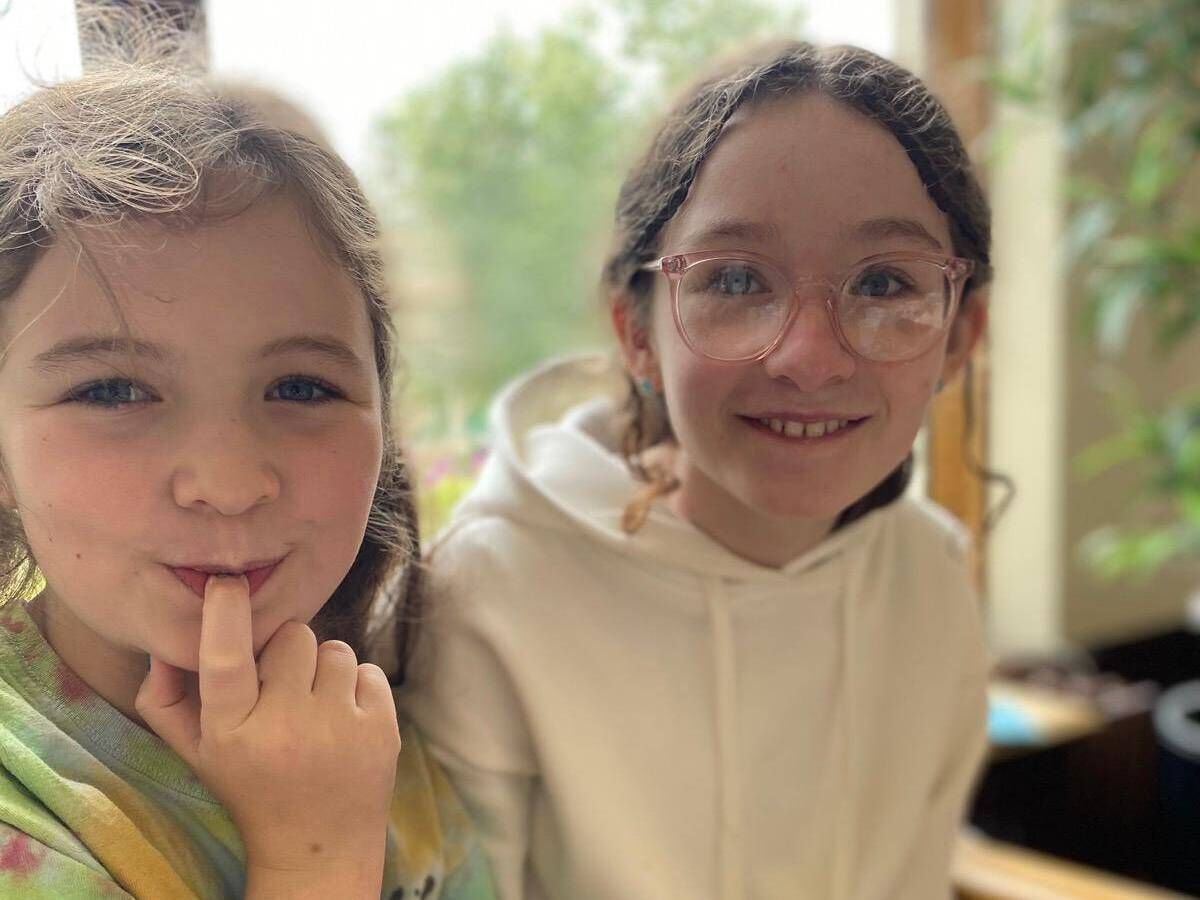
Alice and her sister Liliana, nine, spent four nights in Barretstown over Easter. “Alice is in touch with a few friends on WhatsApp who were sharing her cabin. Liliana has made lovely friendships there, too.”
Professor Owen Smith, consultant paediatric haematologist at CHI, Crumlin, and medical patron of Barretstown, says the facility’s offerings are as important as the chemotherapy. “It’s a key pillar in how we deliver inclusive, comprehensive cancer care to children and young people in Ireland.
“The importance of these therapeutic recreation programmes as part of a child’s recovery journey can’t be underestimated. Children’s confidence, self-esteem and independence [increase].”
Aoife says all the children at Barretstown have experienced something profound in their lives. “They’ve that as common ground. But that’s pushed to one side, and they focus on being a child, a teenager, doing all the activities they have there. Barretstown really does bring out the best in everyone.”
See: barretstown.org
CONNECT WITH US TODAY
Be the first to know the latest news and updates