Dr Phil Kieran: What can my teen take to ease period pain?
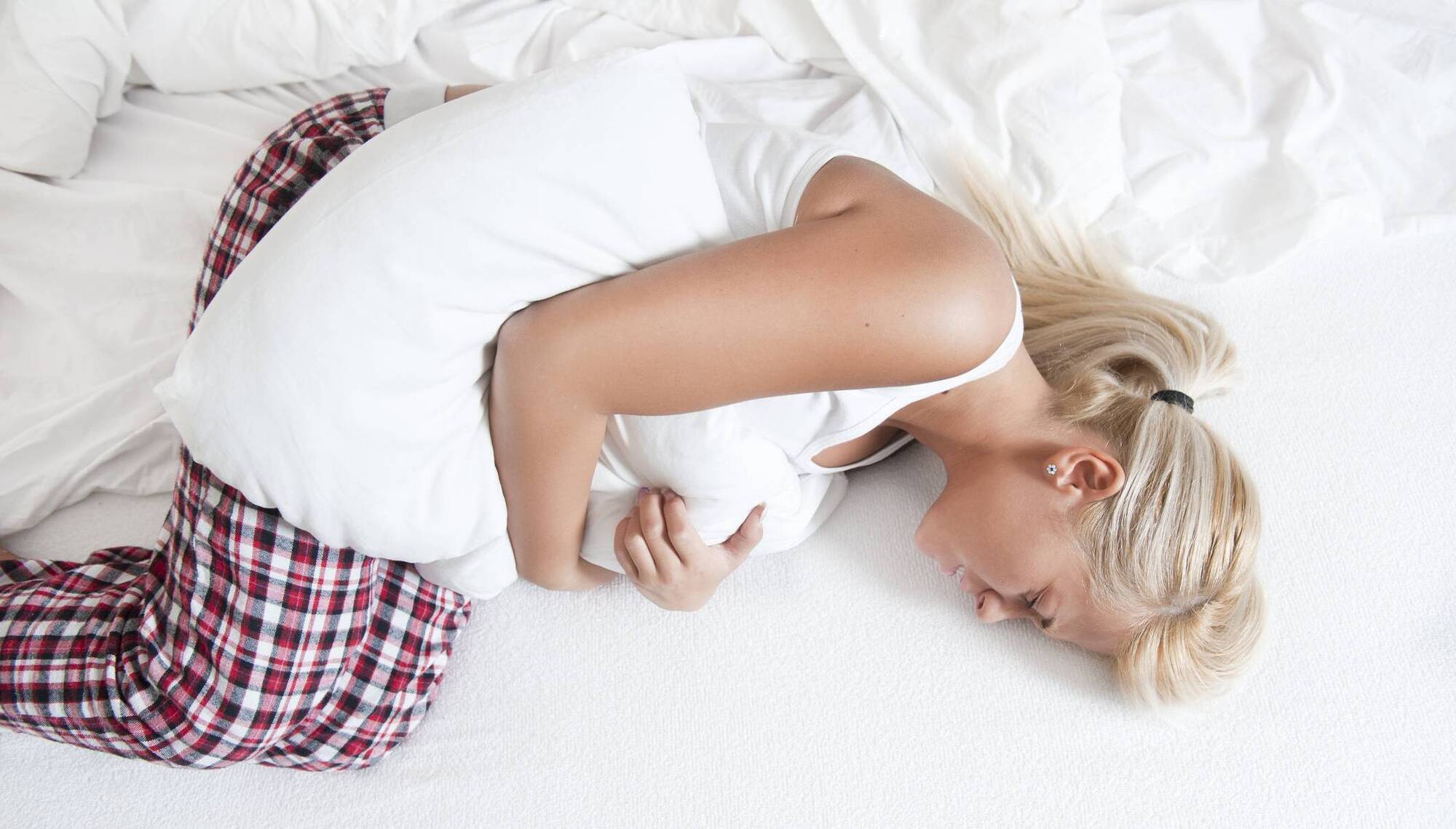
She is often doubled over in pain during the early days of her period
Dr Phil Kieran: What can my teen take to ease period pain?

For too long, girls and women have been advised to get on with it

My 13-year-old daughter is often doubled over in pain during the early days of her period. Paracetamol helps. Is there anything else I can do? And should we be worried?

Painful periods, or ‘dysmenorrhoea’, are a common, but often ignored, issue in girls and women.

Between 45% and 93% of females will have painful periods, and these are most common in younger women. The pain usually starts on day one and can last from one to five days. The pain also tends to vary, so one month, it may be severe, stopping you from doing your daily activities, and the next month, the discomfort may be mild.

When periods start, there tend to be cycles where no egg is released. We call these anovulatory cycles. The bleeding and cramping can be more significant with anovulatory cycles, so the more of these you have, the more painful your cycles are likely to be.

When young women start their periods, there can be a delay until the ovaries release eggs regularly.

This initial stage lasts, on average, three years and the menstruation cycle can be unpredictable.

We often recommend anti-inflammatories, as these are generally more effective than paracetamol in treating period pain. I would suggest starting with ibuprofen.

If it fully controls the pain, then there is no need to go further, as there is a good chance the pain will settle down as her menstrual cycle matures.

In the event that ibuprofen is not sufficient to control symptoms, it’s best to visit your GP. A stronger anti-inflammatory may be prescribed, and a physical examination may ensure there aren’t any other potential causes of the pain.

We would consider hormonal contraception if anti-inflammatories don’t work. This can stabilise the hormonal cycle (it can take years for the reproductive system to mature after periods start). It also delays or reduces the number of periods by running the packs consecutively without a break (this can reduce the number of periods to four to five times per year). It’s a safe option, but one that many teenage girls and their parents may be embarrassed to talk about.

There can be other causes of pelvic pain, apart from ‘normal’ period pains.

If the pain is present when you do not have a period, or if the pain starts a number of days before it commences, or lasts long after it finishes, it is a good idea to get checked out to make sure there isn’t any other underlying issue.

Period pain can be normal, but that doesn’t mean you shouldn’t try to reduce it. For too long, girls and women have been advised to get on with it, which is not fair.

If period pain is interfering with your day-to-day life, there are options and it is important to seek these out.

If you have a question for Dr Phil Kieran, please send it to parenting@examiner.ie

More in this section

Cookie Policy Privacy Policy Brand Safety FAQ Help Contact Us Terms and Conditions

© Examiner Echo Group Limited