Five ways to get the most out of the school holidays 
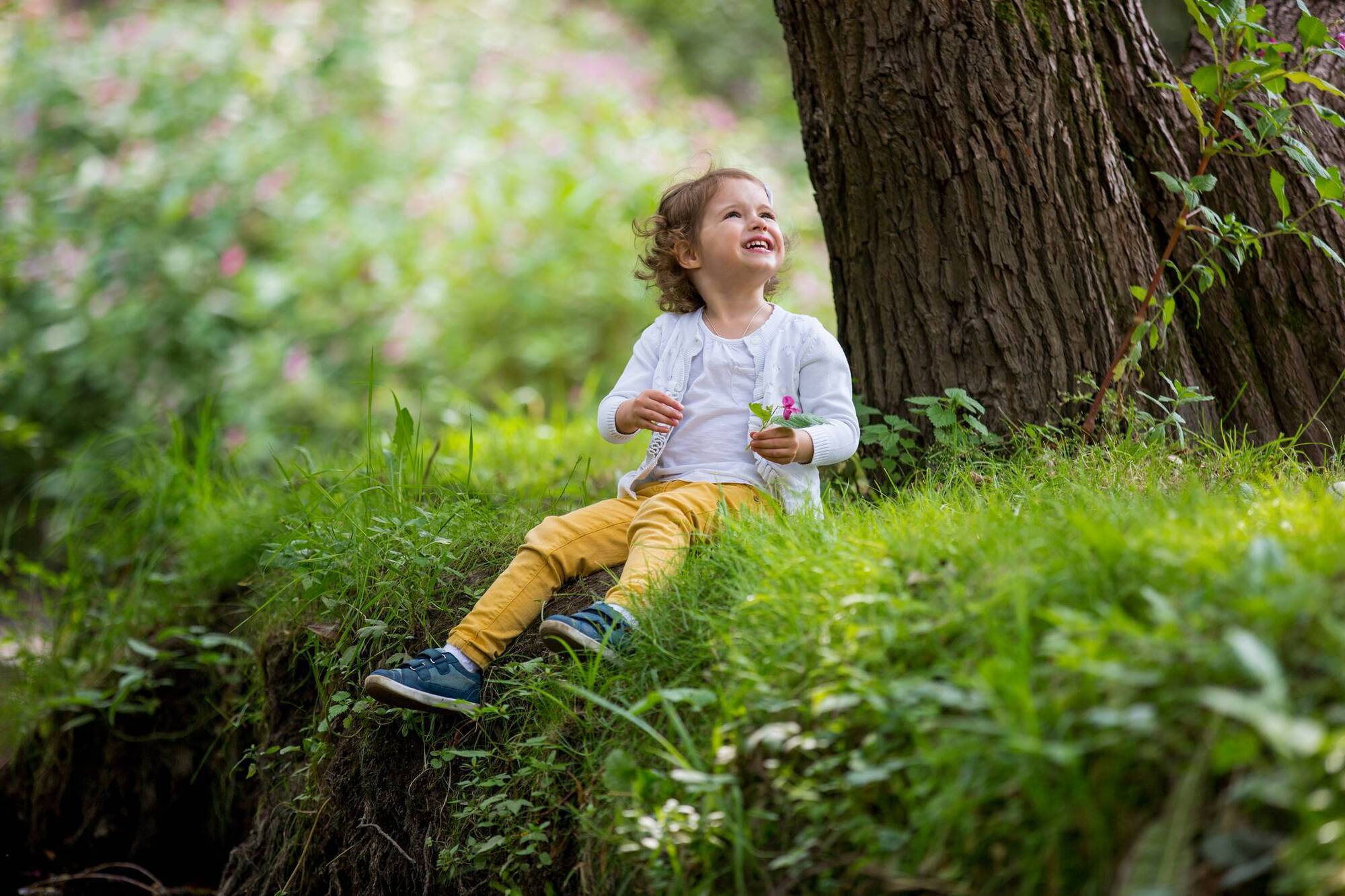
Now the classrooms are closed for the summer, children and parents can enjoy nature walks, scavenger hunts, library visits and more at their own pace
Five ways to get the most out of the school holidays 

Pic: iStock

AT THIS time of year, children get their summer holidays and suddenly have oodles of free time — while parental work and household demands barely let up at all. So, given this scenario, how do you make the school holidays count for children? After all, you want them — and you — to get the most out of the break.

Here, we look at five areas to consider focusing on with your child this summer — by accomplishing even one or two activities within each area, you could just make this your child’s best summer ever.

Elaina Ryan of Children's Books Ireland

1. Get them reading

Elaina Ryan of Children’s Books Ireland points to reading’s many benefits — improved literacy, numeracy, mental wellbeing, and capacity for empathy. But if you make reading time mandatory or pitch reading as something they “should” do, it immediately takes all the joy out of it, she says.

So dial down the pressure. Make it fun. “Let them loose in the library to choose whatever they like the look of. Sometimes kids will ‘read up’ — stretch themselves with something that challenges them. Sometimes they’ll want a picture book that you think is a little young. Letting them have whatever they choose gives them ownership, control over their reading choices, from comics to non-fiction. What’s most important is building up the habit of reading,” Ryan says.

The free Summer Stars programme runs in libraries nationwide this summer — children of all ages can participate. Summer Stars reading cards are available in libraries/to download online to help children keep track. They can record their reading and get recognition/encouragement each step of the way — participants receive a certificate of achievement from their local library at the end of summer.

Also, smallies starting school in September can get a free Little Library book bag from their local library. The bag includes books on starting school and making friends; a postcard the child can write or draw on to give to teacher on the first day at school and their own library card.

Kerry Walker of the Nature Hub

2. Get them out in nature

Summer is ideal for getting children outside, says Kerry Walker, founder of The Nature Hub (thenaturehub.ie), which supports reconnecting with the outdoors. “In summer we witness nature blossoming. The hedgerows are full of wild roses, honeysuckle, and elderflower. The birds are lively — everything’s awake,” she says.

You don’t have to go far to find nature, she points out. “Your back garden, local park, or a small woodland is ideal. Even putting on a raincoat and exploring nature in the rain can be magical — children love puddles.”

Children benefit extensively. “Research shows when children have access to the outdoors to play, it promotes brain growth and helps develop their social and communication skills. They gain confidence and build resilience, [as they] learn about their own abilities and become more independent,” Walker says.

Other benefits include improved physical/mental health, reduced stress and fatigue, creativity and imagination boosted.

“Also, if children are given the opportunity to love nature, they’ll take care of it.”

Nature abounds in free activities for kids, says Walker. She suggests:

  • Mini scavenger hunt. Ask children to “find five sticks, three feathers, a heart-shaped stone, a leaf the size of your hand, five green leaves”. Then make nature art together — put sticks in a square shape for the frame and use leaves/seeds/feathers to make a nature picture. Or make a mini-house for a tiny woodland creature.
  • Explore your local natural area together. Discover the trees near you, and weeds growing in your garden. “We don’t always need to find the answers. Instilling curiosity and wonder in children is so important — and shows that adults don’t have all the answers. Take time finding answers together in a plant ID book or on the internet.”
  • Create a simple “mud kitchen” in your garden. You just need a few pots, pans and some old kitchenware. “Then sit back and enjoy being served mud pancakes, leaf cupcakes, or pine cone tea.”
  • With older children, create a nature journal together. Take time to write or draw what you see in nature each day. Collect leaves or flowers to press into the book. Note the time of sunrise and sunset, and record the birds you hear (check out the great new app at merlin.allaboutbirds.org/ for this).


Michelle Davitt of MyKidsTime

3. Allow time for fun

We’ve all got stuff we’d love to do — or do more of — with our children, but the busy school year doesn’t allow it. Maybe you’d have liked to walk in the park with your child on a school day afternoon — but homework had to be done. Or watch their favourite TV show with them, or play the board game they’ve been dying to teach you.

“Term time can be busy with school but also with sports/classes, which means weekends are often taken up playing matches, going to competitions, in between getting homework and housework done,” says Michelle Davitt, co-founder of MyKidsTime, adding that summer-time offers more freedom, a more relaxed pace of life.

During summer weekends, she loves going with her children to visit family or friends living further away. “We have friends come and stay too. We dust off the barbecue, and spend evenings together in the garden. Once the shyness wears off, the kids love showing visitors around and playing outdoors together.

“My father-in-law gets all 11 grandchildren together during the summer to visit Leitrim, his home county. He rents a house beside Lough Allen and we stay for the week or even a few nights. The grandchildren range in age from four to 21 and rarely get to spend time together during the year.

“This has been a tradition for 10 years — it’s been an amazing bonding experience for everyone. My eldest is away at college in Dublin and regularly meets up with her older cousins for nights out. We’ve also got to know more about great-grandparents and other relatives, so the kids have learned about their ancestors too.”

Making time for the fun — and togetherness — you had to forego during hectic school time brings great benefits, says Davitt: “You slow down, reconnect as a family, keep relationships alive, and create treasured memories. And you won’t be saying ‘I wish I had…’”

Dr Stephen Behan, assistant professor at DCU’s School of Health and Human Performance

4. Get them exercising

The summer break is brilliant for getting active with children — better weather means outdoor activities become more enjoyable and accessible, says Dr Stephen Behan, assistant professor at DCU’s School of Health and Human Performance.

Guidelines state children should get at least one hour daily of moderate to vigorous physical activity, but Behan says not all activity needs to be intensive.

“Moderate activity is as simple as a brisk walk, or a cycle to the park. And it’s worth noting that all activity doesn’t have to happen in a continuous hour — it can be broken up throughout the day into lots of mini-activities.”

For those with young kids, Behan says this could be a cycle or a scoot to the park for a picnic, 20 minutes in the playground and cycling or scooting home. “You’d be surprised how much activity you’re packing in there. For older children, a hike can be as strenuous as you wish to make it.”

Playing or joining in activities with your children helps instil lifelong habits and equip them with tools to be active for life.

Cognikids founder Ollwyn Moran

5. Engage them in sensory play

Get kids cooking and baking this summer. “Involve them in measuring ingredients, mixing and experiencing different tastes, smells, and textures while preparing recipes,” says Ollwyn Moran, founder of Cognikids.

Moran, who trained as a neurological developmental therapist, also loves water play. “Set up water tables, sprinklers or water-based activities to explore different temperatures, textures and water movement.”

She recommends sensory gardening — getting children planting and maintaining a garden — so they’re “touching soil, smelling flowers, tasting herbs and observing nature up close.”

With younger children (four to seven-year-olds), Moran encourages activities like sensory bins. “Fill containers with sand, water beads or rice, and provide tools for scooping, pouring and exploring.”

For eight-year-olds and older, she suggests more complex activities, like arts and crafts. “Use a variety of materials — paints, fabrics, recycled materials — to create textured and multi-sensory artwork.”

Because it engages multiple senses, sensory play lets children explore and understand the world in a hands-on, experiential manner. Moran says benefits include enhanced balance, coordination and gross motor skills, improved body awareness, motor planning, and muscle coordination – and better emotional regulation.

x

More in this section

Cookie Policy Privacy Policy Brand Safety FAQ Help Contact Us Terms and Conditions

© Examiner Echo Group Limited