How to use your Easter holidays to explore the great outdoors with your children
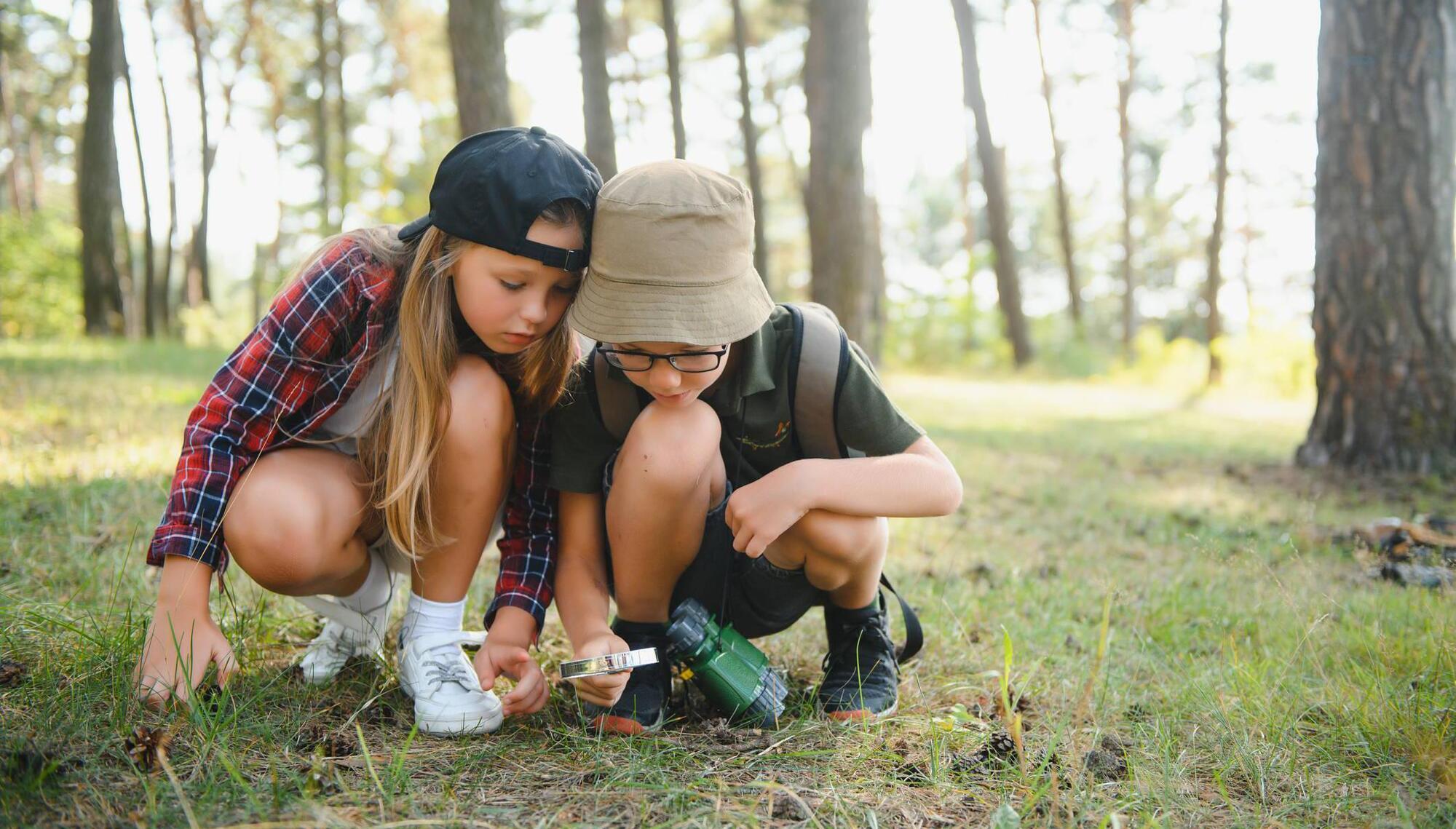
If you go down to the woods today, you're sure of a big adventure 
Pic: iStock

Pic: iStock

If spring and Easter are about anything, they’re about renewal. And with kids off school for two weeks and a bank holiday in the offing, there’s space to think about what regeneration might mean for us as a family.

Maybe getting out and basking in nature, looking at what the natural world can teach us at this time of year, letting it prompt seasonal activities — and along the way renewing and strengthening family connections.

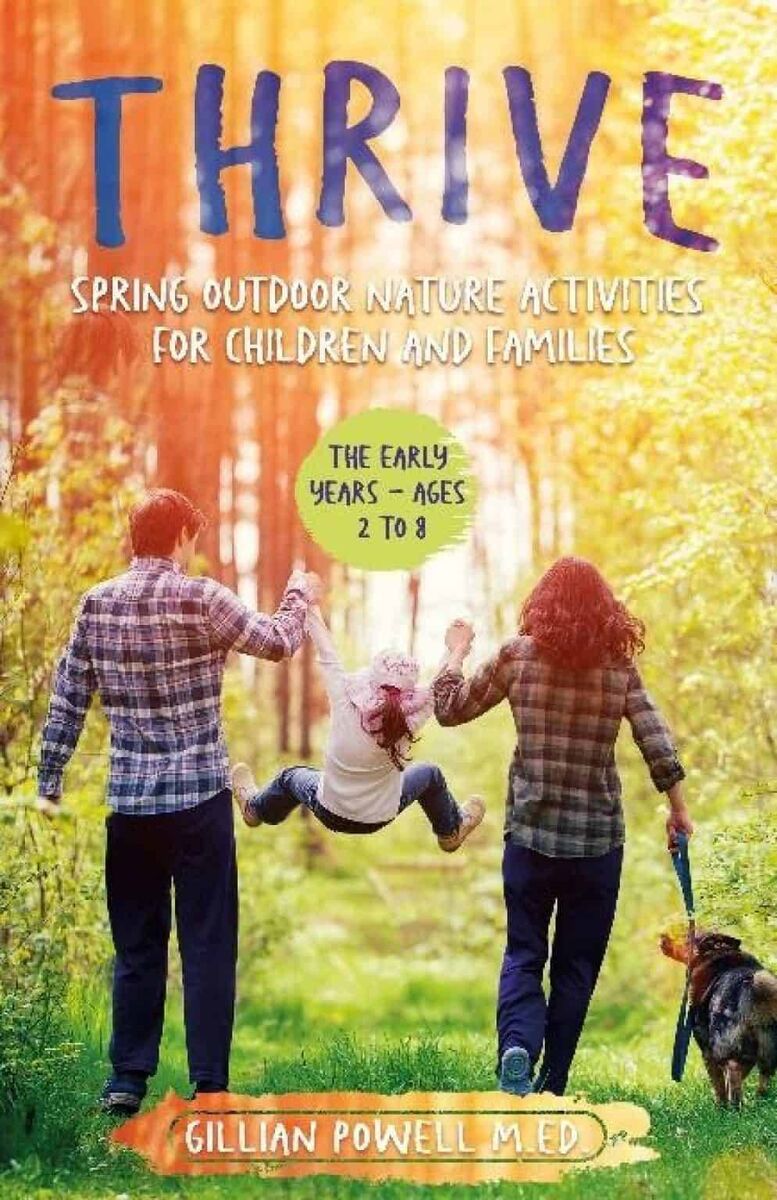
“We need more green, less screen,” says Gillian Powell, specialist in early childhood education and author of Thrive, Spring Outdoor Nature Activities for Children and Families ( more info here).

“At this time of year, the weather’s getting better, the world’s coming to life and we’re all feeling like getting outside. Children especially have a natural curiosity about it.”

Planting seeds can help children mark the arrival of spring.

“They’ll watch it excitedly across the summer,” says Powell, recalling one of the best things she ever did in an early education setting: plant potatoes.

Outdoors in spring, says Powell, is the perfect place for a child to play. “There’s excitement and wonder – and myriad opportunities for sensory explorations from jumping in puddles to balancing on a log.”

You can have an epic adventure that you’ll remember years later, says Ciara Hinksman, owner of Forest School Ireland, which connects children and adults to nature. It also runs forest school programmes throughout the year.

“Easter falls at an abundant time of year when spring plants are blossoming, wild foods are ripening and the animals are busy getting ready to rear their young,” says Hinksman, who emphasises the importance of getting children to observe nature.

Thrive by Gillian Powell

Wildlife-tracking

Hinksman loves to go wildlife-tracking with friends or family on sandy beaches, lakesides or woodlands. “You can search for elusive otter tracks or fox, hare and rabbit prints to discover if they’re in your area.”

And she has an interesting seasonal fact about hares: last month, the females (Jills) were fighting off the males (Jacks) because they weren’t yet ‘in oestrus’ (receptive to mating). “This typically happens around Easter, hence the name. That is why we have the Easter Bunny which is the symbol of abundance, prosperity, fertility and good fortune.”

Hinksman suggests parents get children to look out for the yellow lesser celandine flower — it grows in woods, along hedgerows, roadsides and by rivers. And tell your child how these flowers herald the swallows’ arrival. “When these buttercup-like blossoms start to open, the flocks of swallows won’t be too far behind, performing their mid-air acrobatics to catch insects. You can tell if it’s a swallow by its red throat and long forked tail.”

And it’s a lovely idea to share some nature lore with children. “A great spring activity is to identify and learn about dandelion and nettle,” says Hinksman.

“Dandelion is a wonderful spring tonic, which benefits our gallbladder and digestive system. Nettle is an incredible blood tonic and gives us a much-needed lift of energy in springtime. If you follow the direction of the hairs and grasp the nettle, fold it, and then roll it, you can enjoy its cucumber-like flavour fresh from the stalk. It’s extremely exciting for children to do this. Make sure to roll it well to break the hair-like stingers.”

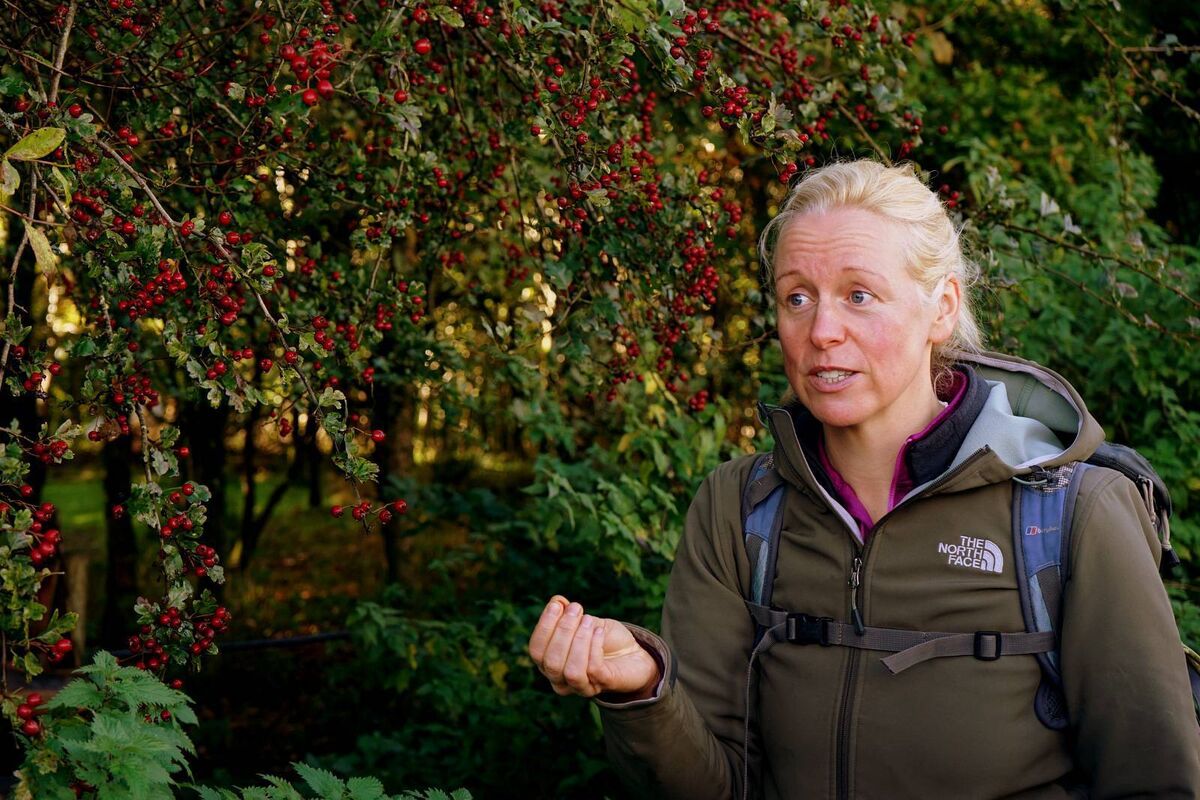
Ciara Hinksman
Ciara Hinksman

Hinksman has other fun Easter/spring activities children can do:

  • Make a magic wand out of a stick you find, peel it with a potato peeler (away from your fingers) paint and decorate it. Use it to walk around the park, woodland or garden to ‘wake up spring’. Notice nesting birds, spring flower blossoms, migrating birds, fox dens where cubs are being born between March and April.
  • Make a handmade bird’s nest out of dried sticky grass, dried grasses or dry bracken. Add clay eggs. Why not colour and shape these like those of the common garden birds, for example, robin, blue tit (voice.gardenbird.co.uk/bird-egg-identifier/). Children can line their grass nests with feathers or dead moss that they find, being careful not to cause any damage or take too much.
  • Make a bird feeder with a pine cone — tie some natural twine to an open pine cone, smear with lard/peanut butter, dip in bird seeds and hang in a tree — remembering to remove the string later.

Sense of wellbeing

As Hinksman sees it, when we’re out foraging, wildlife-tracking, crafting from what we find in nature or planting, we’re mirroring what our ancestors have done for thousands of years. “It really improves our sense of belonging, our wellbeing, our confidence and skills — because we’re making things we can use. And for thousands of years that has been our original design. It brings such joy for children and adults.”

And if distance/time allows, perhaps this Easter break is a good time to visit and connect with places that are important in our own family history. Do you know where your great-grandparents lived? Any of them? (You’ve got eight!) Why not visit these with your children. Powell says in Ireland we are very connected to a sense of place and it’s important to deepen or renew our children’s connection to place.

“The places of our ancestors, the places of myth and legend, the old cures and farming ways — we and our children have huge amounts to learn from these. People don’t realise how important honouring their grandparents’ love of the land is for children. But children always get it when we reconnect with our roots. And when we [encourage children to] reconnect with their roots we ground them in a very solid foundation,” says Powell.

And getting back to our roots in family and in the earth is vital, she says because anything a child loves they nurture. “If we don’t help them find that connection and if we don’t create happy memories, how can we expect them to mind about climate change, mind the world, if we don’t show them that we love it?”

Hinksman and Powell believe there’s a lot parents can learn from nature. “I really love this time of year,” says Hinksman. “From about St Bridget’s Day, my creativity and energy come in quite fiery.

“I start really thinking about what I want to make of the coming year. What are my dreams and visions? How am I going to manifest them in my work? I think this can become clear in spring.”

It’s a time, she says, for paying attention to where things need to grow — and letting go of the things that aren’t beneficial. “Like sloughing off branches that are a heavy weight, letting them fall off and be good for someone else on the forest floor.”

For Powell, there’s a benefit in the ‘standing back’ that nature invites us to do. “Every time you hear the birds in the morning – wow! They have a whole universe going along in parallel to ours and it unfolds without us. All we have to do is watch it.

“How wonderful if we took that attitude to our children — let them be children, let them grow and blossom from their roots, realise they’re perfectly blossoming where they are.”

  • To find out about fun activities happening nationwide during the Easter holidays, visit: exa.mn/Easter-Family-Events. Here, you can also download a free Easter Scavenger Hunt.


More in this section

Cookie Policy Privacy Policy Brand Safety FAQ Help Contact Us Terms and Conditions

© Examiner Echo Group Limited