ieParenting: Simple steps you can take to keep your child safe online
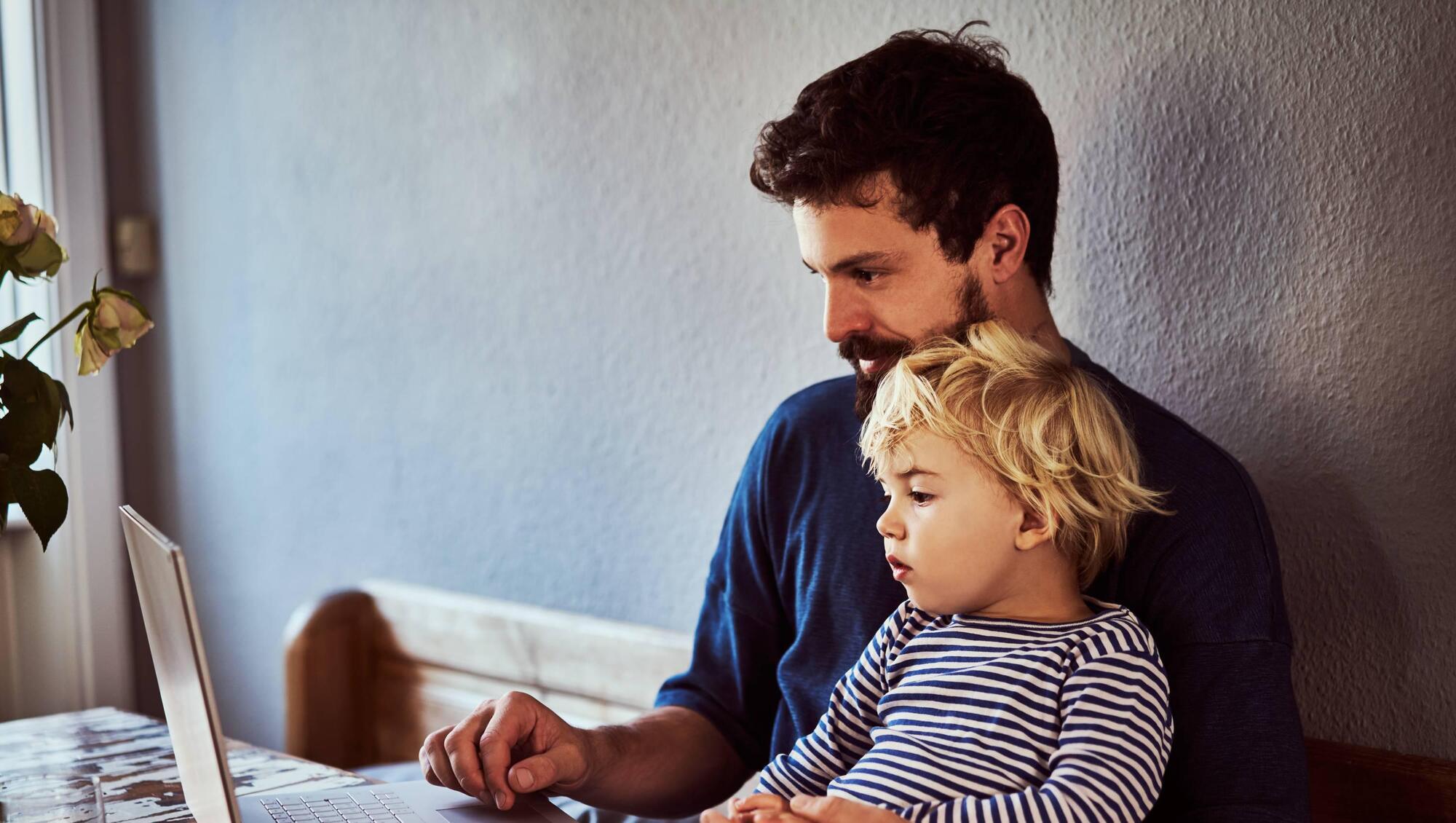
A good relationship with your child is the single most protective factor, according to experts. Picture: iStock
Parents can feel overwhelmed by the task of keeping their kids safe online — but there are easy steps they can take to ensure their children are protected when using social media and the internet.
That's according to a panel of experts - Alex Cooney, CEO of CyberSafeKids; Áine Lynch, CEO of the National Parents Council and Dr Colman Noctor, child psychotherapist and columnist - who recently sat down with ieParenting editor Irene Feighan to discuss protecting children in the online world.
The event's main focus was to approach child safety online in the same way you would approach safety in the offline world - summarised by CyberSafeKids and the National Parents Council's latest campaign #SameRulesApply.
"We want to encourage parents to approach parenting their children online as they would offline," Alex Cooney explained.
"We wouldn't let our young children wander through an unknown area or invite strangers into their bedroom. And yet when we give them unfettered access to the internet, that's effectively what we're doing.
"We're trying to highlight those things for parents through this campaign."
The #SameRulesApply campaign is particularly relevant now, as Ms Cooney says the pandemic "really accelerated children's use of, and access to, the internet. We [also] saw huge increases in the reports of child sexual abuse material online, and also significant increases in contacts to children with the intention to cause harm.
"Those things are really concerning. And this increases the urgency of this conversation that we're having today.”
When it comes to the simple steps you can take to protect your child online, a good relationship with your child is "the single most protective factor", said Áine Lynch of the National Parents Council.
"We rely on the technology in terms of controls and settings. But while that's important, there is nothing that will keep a child as safe as having a good relationship with their parent.
"Fundamentally, if your child feels safe and secure in coming to you and talking about what they come across, that will keep them safer online than anything else.”
Colman Noctor also emphasised the importance of every child having a “good enough adult” that can help them navigate the online world.
"You can teach them about not friending people they don't know, you can teach them the skill of being a critical friend of technology, but there’s no app for your lap.”
He said it is also vital that your child knows they can come to you without getting “in trouble” or having their access to the online world revoked.
"It is about that relationship with your child, that if they do come across - which is inevitable - some level of difficulty, the idea that they will be able to go to you rather than thinking that they're in trouble or that you'll take the device off them, [which is] the number one reason why children don't approach parents.
“It's about saying, 'whatever it is, we've got this, come to me and we'll resolve it.
It is also essential for parents to consider their child's day-to-day concerns about internet use, Ms Lynch said.
"Children have their own concerns about [using the internet] that might not be about grooming or pornography."
She also said chatting about what the child enjoys doing online is vital.
“Sometimes devices in the home have become such a point of tension that as soon as a parent walks into a room the child feels 'oh god, I'm on my phone, I have to put it down'. It's trying to turn that around and have a very positive conversation.”
Ms Lynch also advocates for writing an ‘online agreement’ which might include boundaries around how much screen time is allowed in your household, what games are OK to download, who your child can chat with or play with online etc.
The free Irish Examiner’s Digital Parenting guide, in collaboration with CyberSafeKids and the National Parents Council, supported by Accenture, provides more information on creating an agreement.
Once you’ve agreed upon “reasonable boundaries", Ms Lynch suggests looking at the implications if those boundaries are broken, and hearing from the child what they think is reasonable.
"So create certainty around it," she said, and ensure the sanctions are "reasonable and fair.”
- For more information on keeping your children safe online, check out the free Irish Examiner’s Digital Parenting guide, in collaboration with CyberSafeKids and the National Parents Council, supported by Accenture here.


CONNECT WITH US TODAY



Be the first to know the latest news and updates