Joanna Fortune: What can I do to help my young daughters adjust to a new home?
Permanence is a stage of development for young babies/toddlers.

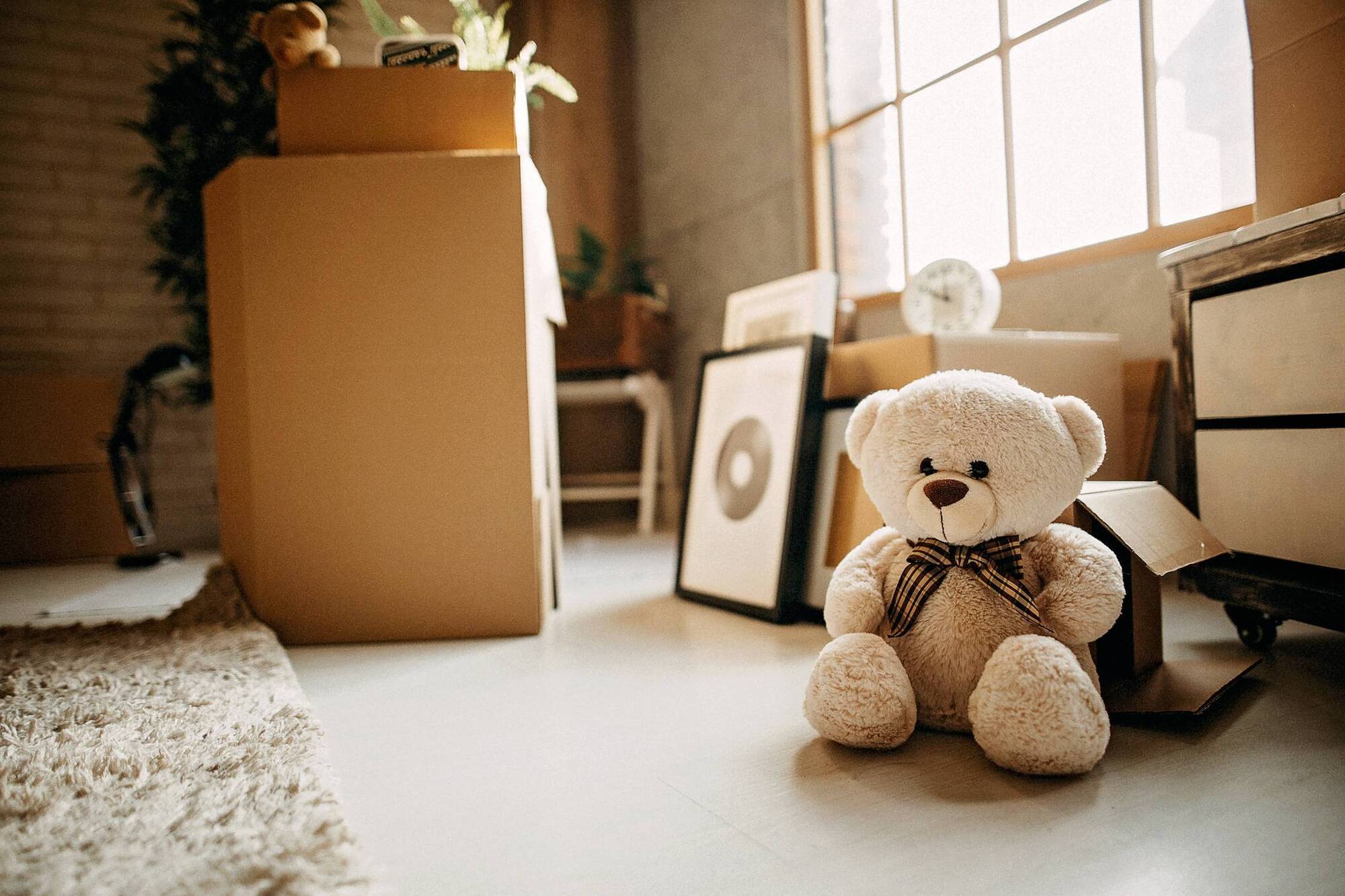
Permanence is a stage of development for young babies/toddlers. It starts with object permanence when they can understand that an object still exists even when they don’t see it. Think of how you play with this with babies from eight to nine months old. We might wave a teddy in front of them and then quickly hide it behind our backs, asking where it is gone. Initially, this is quite astounding to a young baby who believes that the object has ceased to exist once it left their line of sight but soon, through repetition of this play, they get curious about looking for teddy and in finding it realise that things still exist even when they don’t see them.
After object permanence is achieved, it moves to people permanence and developing an understanding that mum and dad still exist even when we don’t see them. Consider how you naturally use peek-a-boo and hide-and-seek to play with this concept. This stage is vitally important because once a young child has developed object permanence, they can hold a mental representation of a given object. It is the start of understanding more abstract concepts as well.
In your situation, your girls will know the first house still exists because they will get to see it when you revisit the farm. It can be hard to understand that the first house is there but not your home anymore, so be clear in how you name it. For example, say, ‘when we go to the farm we will see our old house’ and in speaking about your new home call it thus, ‘this is our home now — we live in this house’.
It can be helpful for your older child to draw a ‘map’ on poster board. Draw the old house and the farm in one location on your map and draw a long road to show the distance to the new home (use photos if you prefer). Around the new house, include her daycare/preschool, playground, library and other familiar amenities to mark the new places. If you have not yet moved, give her a shoe box and let her pack the box with whatever she wants to put in there, don’t edit this, just let her fill it up with her bits and treasures. Consider the same duvet covers and teddies so that she feels it is still “her room” in the new house.
Your baby will benefit from physical soothing, rocking, singing and swaying, carrying her around each new room and spending time in each one to build familiarity and comfort. Give this time for both children and hold in mind that some mild regression in the face of change is to be expected. Connect with your support network and ensure that you accept help and company for yourself too.
Consider a gradual introduction to your new childminder. If the girls will be cared for in her home, visit her for short but increasing time each day for a week or so before they will stay there for a full day. Speak about her positively and include her photo on your poster map as part of preparing your older girl for the move.
Good luck with the move and enjoy your new home.
CONNECT WITH US TODAY



Be the first to know the latest news and updates