Experts share the answers to five of new parents' most Googled questions
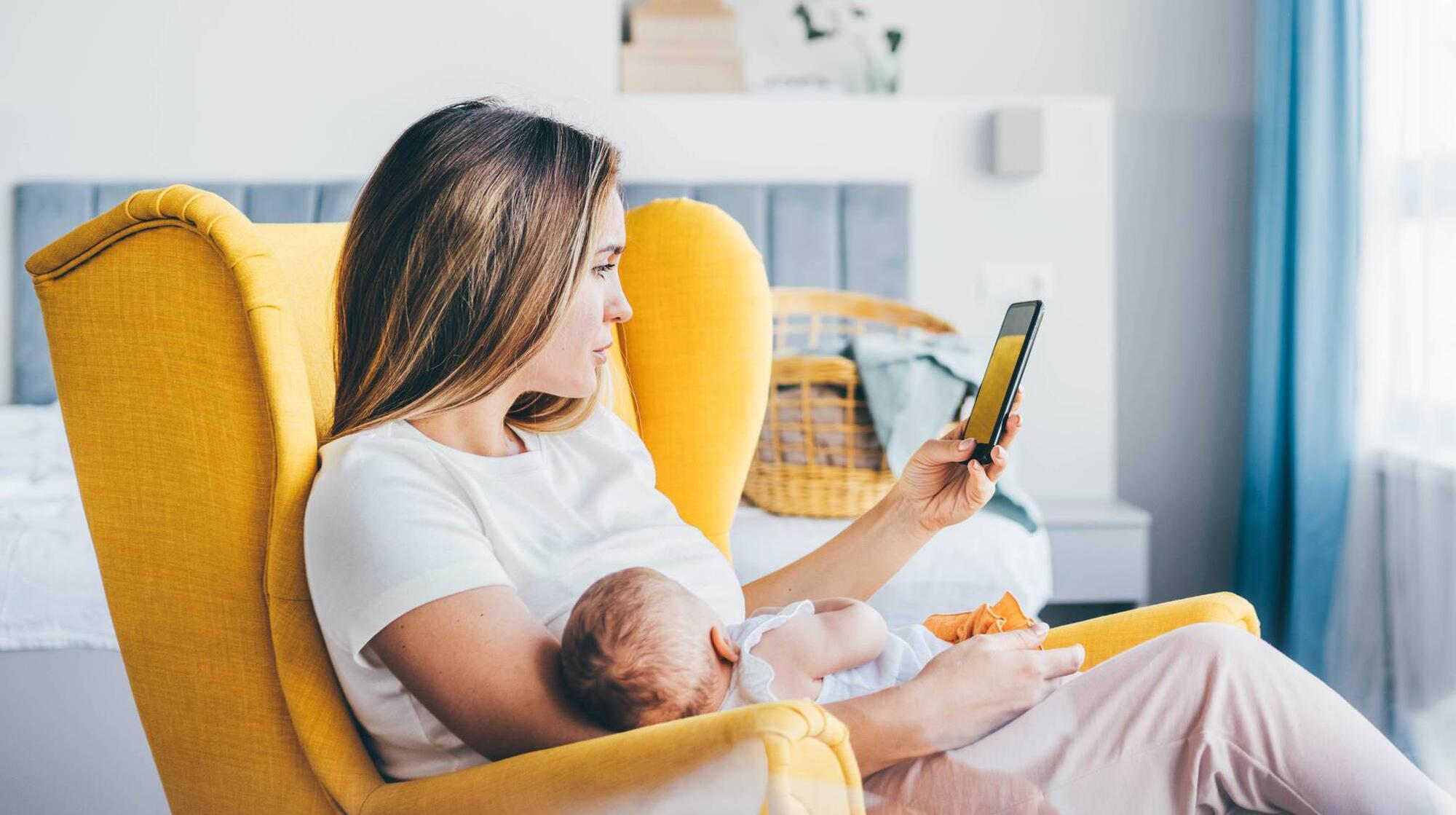
Can you drink alcohol while breastfeeding? How long do you have to wait before having sex again? When can you return to the gym? These queries feature among the most frequently googled by first-time mums and dads. We ask experts for their advice
Experts share the answers to five of new parents' most Googled questions

Picture: iStock 

Reports that Google searches for “becoming a first-time mum” increased by 467% over the past year — while searches for “becoming a first-time dad” rose by 335% — prove what we all know. Becoming a parent for the first time is highly exciting, but also daunting.

Here, experts answer five of the most-googled questions new parents ask:

1. How can I tell if my baby’s still hungry after breastfeeding?

There are very objective measurements to know your baby’s getting enough, says president of the Association of Lactation Consultants in Ireland, Lorraine O’Hagan.

She points to three key indicators: wet nappies, baby’s stools and baby’s weight.

  • Baby’s wet nappies should increase by one per day for the first five days. After five days, baby should have five to six wet nappies in a 24-hour period. “It’s a key indicator the baby is getting enough milk.”
  • During the first few days, the newborn’s dirty nappies will be of the black meconium variety. By day three or four, this starts changing, and from day five, there should be two to three dirty nappies per day, with stools that look like cottage cheese or mustard — an indication that baby’s getting plenty of milk, says O’Hagan.
  • It’s normal for babies to lose 8-10% of their birthweight in the first few days — and for them to regain this by two weeks. “After that, baby should gain 150-200g per week,” says O’Hagan.

Other ways of measuring breastfeeding efficacy include: Observing if baby’s content after feeding; if you hear him/her swallowing milk at beginning of the feed (a key sign breastmilk is getting to him); and if breastfeeding is comfortable (if yes, more than likely the latch is correct).

O’Hagan says it’s normal for breastfed babies to feed frequently because breastmilk is digested in 90 minutes to two hours. Babies can also cluster feed — feeding often at certain times. If the baby isn’t gaining weight, the public health nurse or lactation consultant should observe feeding because sometimes the position and attachment of the baby need adjusting.

“We recommend breast compression, a technique where mum manually compresses the breast intermittently during feeding to get milk to the baby.”

Sometimes milk supply might be temporarily affected by blood loss following delivery — and a minority of women have supply issues due to hormonal challenges. “Both situations benefit from working with a lactation consultant.”

O’Hagan says frequent, effective breastfeeding is important in the early days to stimulate a good supply of milk.

n See: exa.mn/HSE-Breastfeeding-Factsheet

2. How long after having a baby can you have sex again?

GP and public health doctor Dr Fiona McGuire says it’s safe to have sex once any vaginal bleeding or bloody discharge has stopped. She advises waiting until any stitches have healed, which can take four to six weeks regardless of the type of birth. “Some people wait until the six-week check-up with their GP before having sex again.”

It’s quite normal for sex to feel uncomfortable the first few times after childbirth. “You or your partner might feel a bit tense, so it’s a bit less pleasurable than normal. Also ,after giving birth, some of the pregnancy hormones drop, particularly oestrogen, which can lead to vaginal dryness.

“It’s really important to communicate with your partner. If sex hurts initially, ask your partner to slow down, get a personal lubricant from the pharmacist or try a different position. The missionary position can be difficult if you’ve had a C-section — there can be pressure on the tummy — so you might want to mix it up or try something different.”

If sex continues to be painful, McGuire recommends getting referred to a chartered physiotherapist with an interest in women’s health. “The muscles in the area may be very tense so there could be a role for massage or exercise.”

Keep in mind that pregnancy can occur even just three weeks after having a baby. “If that’s not what you want, think about contraception. If breastfeeding, let the GP know so they prescribe a suitable contraceptive,” says McGuire.

3. How does sex drive change after having a baby?

Wonderful as having your firstborn is, it’s also life-changing. Knowing this little human depends on you for everything can make the sense of responsibility feel overwhelming. It’s not surprising if your sex drive’s impacted, at least initially.

Research published last year in Journal of Sexual and Reproductive Healthcare found couples tended to begin sexual activity six to eight weeks post-childbirth, with sexual activity “fully resuming” after six months for many couples.

“Some people find sex drive is lower initially because of exhaustion — and the practicalities of having a baby in the room with you who needs to be fed at regular intervals,” says Dr McGuire, who recommends not pressurising yourself and going at your own pace.

“Falling oestrogen levels can affect libido. One in five women will have some form of PND (post-natal depression) or post-natal anxiety, which can affect sex drive. If you’re feeling very low and losing interest in things normally enjoyed, chat to your GP or public health nurse.”

The physical effects of pregnancy and childbirth can also dent confidence. “Leaking of breast milk, or urine, or carrying baby weight can affect confidence, which in turn impacts libido,” says McGuire who reminds women it can take six weeks for the uterus to shrink back to pre-pregnancy size.

“During pregnancy, you naturally store more body fat. Afterwards, it’s normal to still have that. Ligaments and muscles get stretched during pregnancy. They can remain quite lax for three to four months after. It takes nine months to grow a baby and it takes at least nine months to recover from the birth, so resist pressure to look a certain way by a certain time.

“Chat to your partner — extra reassurance from them will help build up confidence.”

Dr McGuire urges couples to spend time together, to connect as a couple and remind themselves they were a couple before their baby arrived.

4. Can you drink alcohol when breastfeeding?

Consultant in public health medicine Dr Mary T O’Mahony says it’s best to avoid alcohol for the first month when breastfeeding’s being established and the baby isn’t yet in a routine.

“In the first month, the baby will feed very frequently and at irregular intervals. And the mother is building up her supply, so she doesn’t want to be missing feeds either.”

After the first month, total abstinence from alcohol isn’t required while breastfeeding — providing mum follows HSE low-risk alcohol consumption guidance (see: exa.mn/HSE-Alcohol-Breastfeeding).

“Much international guidance puts pregnancy and breastfeeding in the one category, recommending abstinence from alcohol during both. However, the serious risk from alcohol is during pregnancy,” says O’Mahony.

She explains that the alcohol level in a mother’s breastmilk would be at a concentration approximately 30 times lower than the concentration of alcohol taken in by the mother. “So the infant gets one-30th the dose the mother takes in.” However, O’Mahony warns that alcohol-tainted breastmilk can disturb infant sleep — and breastmilk can taste different — though no adverse effects have been seen in the baby’s neuro-developmental health.

Low-risk alcohol guidance for women says no more than 11 units of alcohol a week, no more than two units in any one sitting and maintaining two alcohol-free days a week.

“It takes two hours for the body to metabolise a standard drink,” says O’Mahony. “So mum should breastfeed her baby beforehand. If she’s going to have more than two units, she needs to express milk ahead to give to her baby.”

5. When can I start working out again after having a baby?

Being active after childbirth will improve health and mood, and may aid your recovery, says Dr McGuire.

“Going for a walk with the buggy, with baby in a sling or on your own is safe to do very soon after giving birth. Also, do any exercises the midwives or physiotherapists showed you.”

Pelvic floor exercises are crucial as soon as possible after birth. “It can sometimes feel hard to get the sensation of pelvic floor exercises, but that’s normal,” says McGuire.

She urges women to be kind to themselves and to remember their body has been through an endurance event. Explaining that ligaments softened and loosened during pregnancy can especially affect lower-back and tummy muscles, she recommends avoiding bending or twisting your back. “Walk tall and draw in your lower tummy.”

Low-impact exercise is recommended for the first six to 12 weeks after giving birth. Cycling and swimming can be resumed at the six-week mark once stitches have healed and vaginal bleeding has stopped.

“Avoid high-impact running and jumping for at least 12 weeks post-birth, no matter how you gave birth or how fit you were before or during pregnancy. Pace yourself if going uphill — stop halfway up.”

McGuire recommends checking for diastasis rectus abdominis — separation of left and right sides of the outermost stomach muscle, a normal pregnancy occurrence. “If you’ve a gap of more than two fingers by the six-week check, get a referral to a chartered physiotherapist, who’ll give you exercises to strengthen the muscle and bring the two sides together.”

Contact a physiotherapist if you experience urinary symptoms, for example, leakage, when you exercise.


x

More in this section

Cookie Policy Privacy Policy Brand Safety FAQ Help Contact Us Terms and Conditions

© Examiner Echo Group Limited