Colman Noctor: We need to educate our teens about pornography
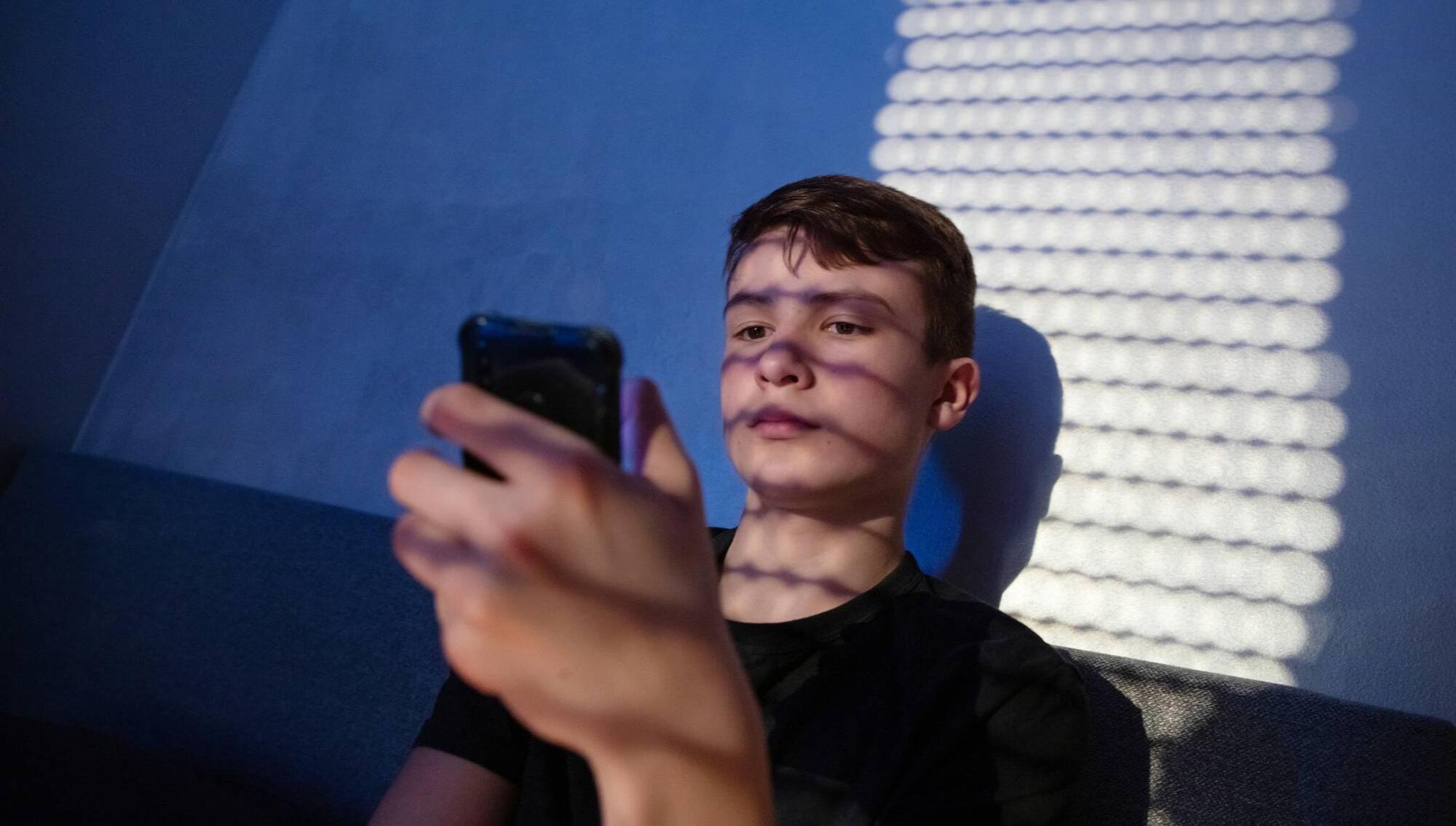
We must acknowledge that most modern-day children inhabit a very different world from the one their parents experienced.
The release of the proposed changes to the Junior Cycle curriculum has caused considerable controversy, mostly due to the inclusion of pornography as a discussion topic. If you were to believe some of the negative comments on social media, you would think that future SPHE (Social, Personal and Health Education) classes will be a talking shop for pornography.
The reality is very different. Having read through the document, I can confirm that the word ‘pornography’ is mentioned once, and this is in the context of helping young people understand its potentially harmful effect on relationships, intimacy and consent.
I was impressed by the overall proposal as it deals with many core issues regarding young people’s mental health and wellbeing. There is a strong emphasis on decision-making and the importance of young people creating their own value systems. It also strikes a good balance between looking at external factors that can negatively impact mental health, such as social media and peer pressure, and the need to develop internal resources to become resilient, authentic and true to themselves.
The programme aims to ‘nurture the student’s self-awareness, positive self-worth and to develop knowledge, understanding, skills, dispositions and values that will help them create and maintain respectful and caring relationships and lead to healthy and fulfilling lives’. These are quite grandiose expectations of a curriculum document, but it’s important to aim high.
I believe the success of this proposed programme will be determined by how it is embraced by teachers, received by students and delivered by schools. Also, the Department of Education needs to put resources in place to ensure it is as effective as possible. If SPHE and RSE classes are viewed as ‘timetable fillers’ or imposed on teachers, or if teachers are expected to deliver this new programme on a shoestring, it will inevitably fail.
Teachers are already overburdened when it comes to maintaining the mental health of their students. Also, the absence of a decent primary care mental health service means schools are being unfairly asked to take up the slack. I have long advocated for mental health professionals in Irish schools who, along with other duties, could deliver social and mental health programmes.
For content like this to have an impact or generate meaningful discussion, the groups would have to be considerably smaller than the current class sizes. I have facilitated psychotherapy groups for years and found that the ideal number for a group exploring a personal subject is between 8-12 adolescents. While these classes are not psychotherapy groups, to attempt to generate meaningful discussion and allow time for everyone to contribute with circa 30 students in attendance within a 45-60 minute window of time is unworkable.
Due to the sensitive nature of this content, a ‘safe space’ needs to be created, which also may be difficult in a classroom environment. Some students may be dismissive and attempt to undermine the conversation, sabotaging the potential for meaningful contributions from others in the group. There may be a situation where a student discloses something personal that may require some support or debriefing afterwards. Or, more seriously, a student may share something that may contain some degree of risk that merits follow-up and this facility may not be available on site. I am not suggesting that teachers are not well equipped to manage these dynamics within their subjects, but I believe that the task is qualitatively different with emotive content like this. To facilitate safe spaces, manage complex group dynamics or follow up on child protection concerns, facilitators need to be prepared and trained for these eventualities.
The other shareholders in the implementation of the new SPHE programme are parents. Some may be alarmed by the topic choices covered, especially the sexuality module. However, we must acknowledge that most modern-day children inhabit a very different world from the one their parents experienced. Although many aspects of contemporary childhood are much improved, others are more complicated. The evolution of the internet and interactive smart technologies have changed the landscape of childhood, and our parenting and teaching approaches must evolve to respond to this.
Children who learn to operate a handheld smart device enter a portal to an outside world we have little control over. Attempts to curtail or make the online environment safe through legislation have largely failed, so we must educate children rather than risk the harms that may occur while waiting for the industry to put restrictions in place.
Research has repeatedly shown that children are exposed to pornographic material long before they are emotionally or cognitively ready. The issue is not that your child will go looking for pornographic material — it is more a case of the pornographic material finding them. It is not a case of ‘if’ your child will come across pornographic material on the internet, it is merely a matter of when.
With this in mind, we must equip children with the knowledge and skills to negotiate this complex landscape. The online space has no ethical obligation to protect children, so parents and educators need to step in. ‘Media literacy’ needs to occupy a far more prominent space in the primary school curriculum to adequately prepare children for navigating the online world. I understand parents who have concerns that online education will encourage more usage, but when we teach the ‘Safe Cross Code’, we are not promoting jaywalking or reckless driving — we are preparing children to navigate the roads safely.
The approach to pornography in the new SPHE curriculum is similar. I have no fears that discussing pornography in the classroom will encourage teenagers to search for it online. Instead, I hope it will prepare them to manage it when it does come onto their radar.
The real question we have to ask is whether the risk of having this conversation outweighs the risk of not having it? If your child is learning about intimacy and relationships through pornographic websites, they will likely develop a warped view of intimate relationships. Children do not have the baseline life experiences to critique this pornographic content. Pornography is based on fantasy and plays with themes like consent, violence, and rape. If your child believes that what they see on these sites represents intimacy, the risk is that they imitate this in a romantic relationship. The consequences of this misadventure could be catastrophic.
While parents have the primary role in educating their children on the realities of intimate relationships, I believe confirmation of that message in school can only help to counter the pornography narrative. As one teacher said, 'You don’t learn the Spanish verbs by hearing them once’.
When considering the suitability of pornography as a topic in the Junior Cycle SPHE and RSE curriculum, I would ask all parents to assess the risks of leaving it out. Just because a conversation is uncomfortable does not mean it should be avoided. We owe it to our children to give them the skills they need to navigate the world rather than have them miss out on essential learning opportunities because we want them to exist in a time that has long passed.
- Dr Colman Noctor is a child psychotherapist