Childhood food allergies: 'It was scary how quickly he became so ill'

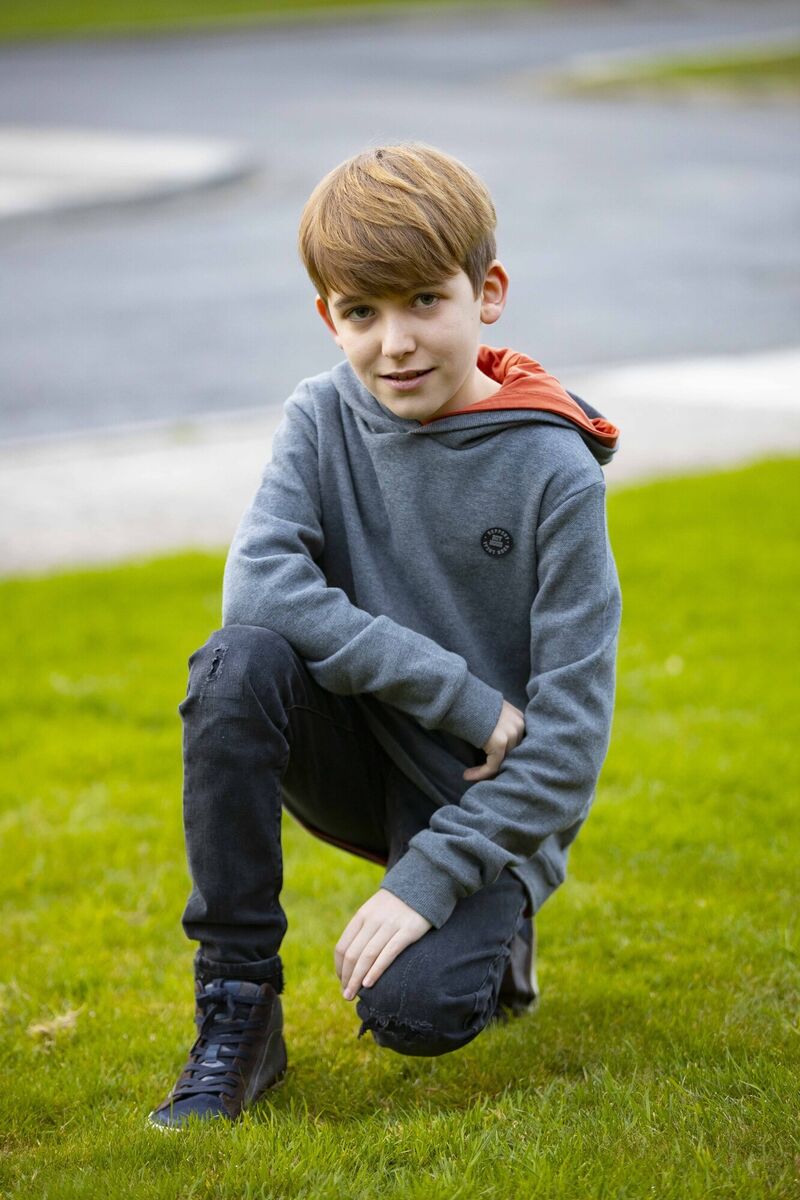
Ruairi Shanahan was aged three when he had his first allergic reaction to peanuts. Picture: Patrick Browne
CHILDHOOD food allergies are on the rise globally, which means that a growing number of children are attending consultations at Cork University Hosptial.
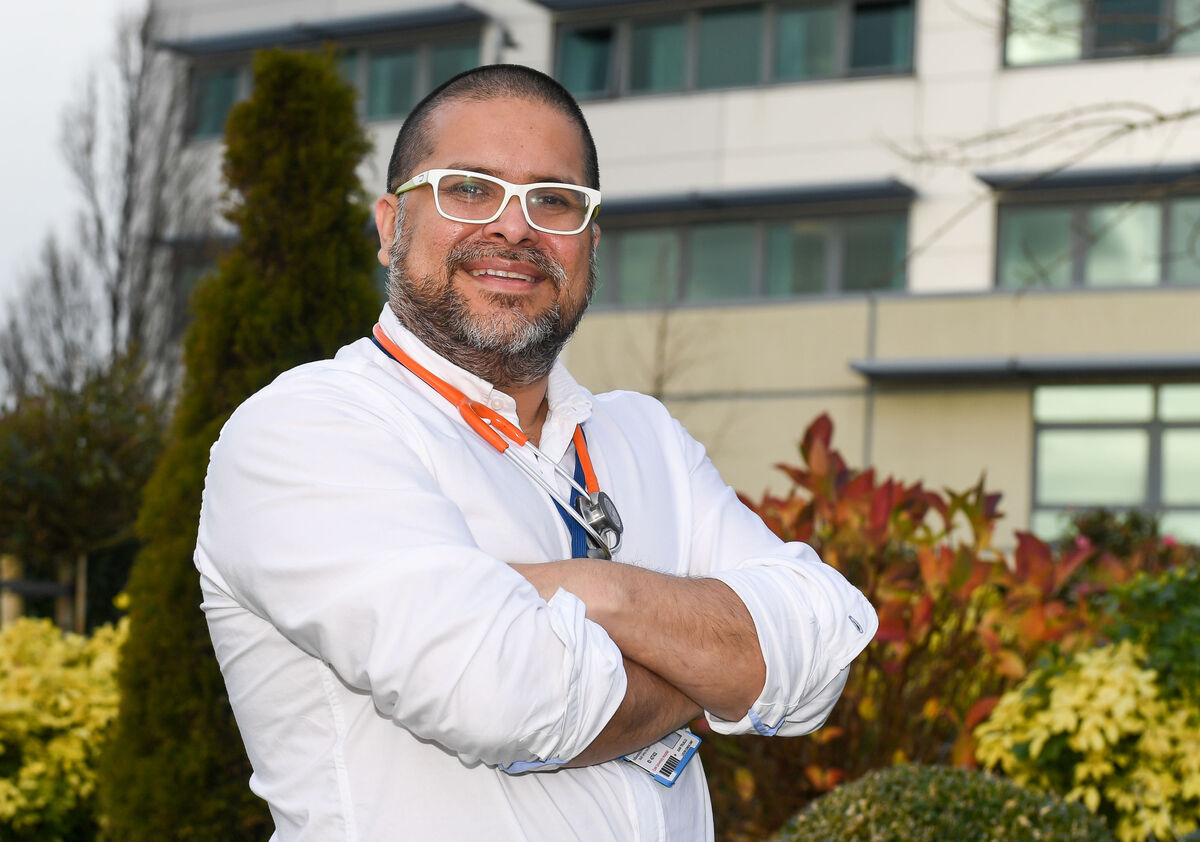
"An allergy is the body’s immune response to a specific food,” says Dr Juan Trujillo, a consultant paediatric allergist at CUH.
The food causes the immune system to overreact by producing antibodies against food proteins in the same way it would against bacteria and viruses. It releases histamine as it does so, and histamine is what causes allergy symptoms to appear.
Parents need to know what these symptoms are. “They can vary from a rash or hives on the skin to stomach pains or vomiting or respiratory symptoms such as an itchy throat or roof of mouth to a sudden hoarse voice or difficulty in breathing,” says Dr Trujillo.
If the allergy is more severe, the eyes and lips can swell and become watery, red and itchy. At its most severe, a food allergy can result in anaphylaxis, which is when the mouth, tongue, and throat swell, leading to a struggle to breathe, dizziness, and confusion. If untreated, it can be fatal.
“These reactions can occur immediately after the ingestion of food, as usually happens with peanut allergies,” says Dr Trujillo. “Or there can be a late response, up to two hours after eating the culprit food.”
Approximately 6% of young children in Ireland are diagnosed with a food allergy every year. “That number is going up because of changes in the way we eat and live,” says Dr Trujillo.
Some children are more at risk of developing food allergies than others. Figures show that asthma, allergic rhinitis, and atopic dermatitis are more common in patients with food allergies.
“These conditions are not symptoms of food allergies,” says Dr Trujillo. “They simply increase the chances of becoming allergic in the future.”
Despite the increase in medical understanding of food allergies, diagnosing one is not always straightforward. Severe reactions are unmistakeable but rare while milder reactions can be confused with food intolerances.
“Food intolerance is a difficulty with digesting a certain food,” says Dr Trujillo. “This difficulty can create uncomfortable feelings in the stomach or digestive system, but it does not involve an immune response from the body. Therefore, it is not an allergic reaction.”
A food allergy needs to be diagnosed by medical professionals. Typically, this starts with a visit to the GP who then refers the child to the allergy service in CUH, where they take a thorough allergy focus clinical history.
The medics then select the proper diagnosis test to rule out certain foods and identify the specific allergen. The last step is an oral challenge test.
“This is where the patient is admitted to hospital for a day to be monitored while they eat the suspicious food in gradually increasing amounts,” says Dr Trujillo.
“If they have a reaction during that time, we can confirm the allergy.”
Treatment then varies depending on the type of allergy. “Egg and milk allergies are not the same as nut and peanut allergies,” says Dr Trujillo. “The classic approach – commonly used in children with peanut allergies – is to avoid the culprit food and to educate parents and children about the use of a proper anaphylaxis management plan. This includes training in how to use an adrenaline auto-injector.”
Every child who has had a previous anaphylactic reaction needs to carry two adrenaline auto injectors (such as Epipen). “It’s the treatment of choice if they are in danger of having a life-threatening anaphylactic reaction,” says Dr Trujillo.
However, treatment is changing, and that change is being driven by researchers at CUH.
“More than 95% of children with egg and milk allergies outgrow them by the age of five,” says Dr Trujillo. “Only 20% of peanut allergy patients do. Allergy research studies are aiming to find a way of increasing the possibility of outgrowing those allergies and CUH is one of the pioneer institutions to be involved in those studies.”
Professor Jonathan Hourihane is the medic who initiated these studies. “He is the doctor who started the allergy services here in Cork and helped build the structure of allergy practices in Ireland,” says Dr Trujillo. “He established CUH as one of the top research centres in Europe.”
Professor Hourihane has since moved on, but the work he began continues to grow and develop in CUH.
“We have been one of the biggest recruiting research centres in Europe for one of our peanut allergy studies,” says Dr Trujillo. “We are also involved in academic research in partnership with UCC institutions INFANT and the Clinical Research Facility Cork.”

“One evening, we gave him some peanut butter on bread after his dinner,” says his mother Barbara. “He took one bite, spat it out, and said it was disgusting but within minutes, he started to react.”
Ruairí’s eyes became puffy and his face began to swell. There was no history of food allergies in the family but having previously worked as a chef, Barbara immediately suspected that he was reacting to peanuts.
“We rang the doctor who told us to get to hospital immediately,” she says. “We only live 15 minutes away but soon after we got there, he vomited and lost consciousness.
Because of the severity of his reaction, Ruairí’s diagnosis was obvious. “The following day, we were given a talk on foods he had to avoid and training on how to use the Epipen and how to do CPR,” says Barbara.
“That bought it home just how serious the situation was.”
Avoiding those foods was challenging. “We had to be so careful when eating out and going on planes,” says Barbara.
“We couldn’t let Ruairí go to parties without us because we couldn’t expect the host to give him his Epipen if he needed it. We would have to give him special party bags too as we wouldn’t know what was in the food they had made.”
Barbara was always anxious that something would go wrong. “The school was fantastic and every year, they would invite me into the staffroom to tell the teachers the signs of allergy and how and when to use the Epipen,” she says. “But I’d constantly worry about something like another child eating peanut butter, not washing his hands, and then passing a ball to Ruairí. Something as simple as that could result in an allergic reaction.”
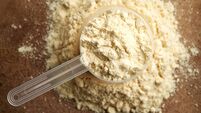
Ruairí was sent home with daily doses of peanut protein powder that amounted to less than one eighth of a peanut. He had to ingest that every day for two weeks.
“Then we went into hospital again where he was given a slightly higher dose, monitored for a few hours, and sent home with a fortnight’s worth of that dose,” says Barbara.
That process continued for approximately six months. By the end, Ruairí’s body could tolerate up to eight peanuts.
“He is still taking peanut protein powder daily and his immunity has now built up to 15 peanuts,” says Barbara.
“That gives us a huge safety net. He could never eat that number of peanuts by accident so that’s a huge relief for us all. We had worried about what would happen when he was a teenager or if he went travelling by himself when he was older. We now have much more peace of mind. He is more likely to be safe and that’s thanks to CUH.”


CONNECT WITH US TODAY



Be the first to know the latest news and updates