Anja Murray: How community-driven conservation action can help Irish otter populations
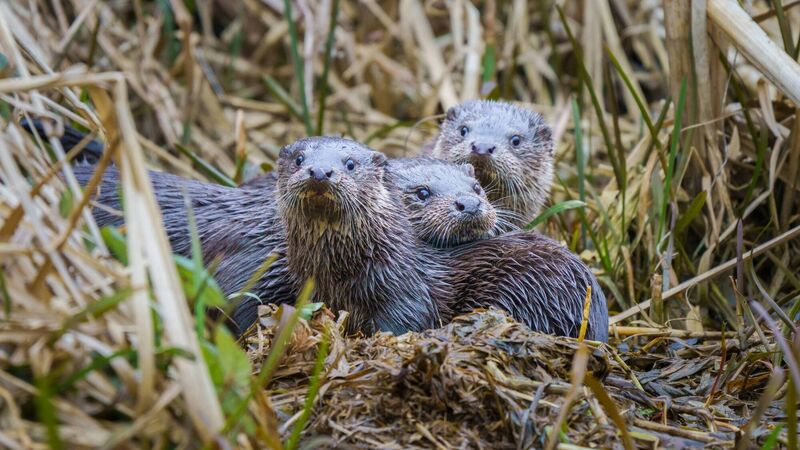
Anja Murray: "Ireland’s ongoing struggle with water pollution — driven largely by nutrient enrichment from intensive agriculture - is now seriously jeopardising the viability of webs of life." Picture: iStock.
Across much of Continental Europe, otter numbers have plummeted. England, Scotland and Wales have all seen dramatic declines too.
Yet here, in Ireland, these gorgeous aquatic mammals are managing to hold their ground. Despite declining water quality in recent times, Ireland's rivers, lakes and coastal shallows now support one of Europe’s strongest remaining otter populations.
This may come as a surprise, as otters mostly manage to evade being seen by humans as they go about their lives. They are active mostly from dusk till dawn, and are shy of human activity.
It’s a special treat to even catch a glimpse of them as they skirt the seashore, fish in rivers and estuaries, and raise their young along riverbanks and lakeshores. These are animals superbly adapted for aquatic life.
Their long, streamlined head and body swim through the water effortlessly. A long, strong, muscular tail acts as a rudder so that they swim with speed and agility. When they dive, their tiny ears are able to clamp shut to keep the water out.
Dense fur keeps them warm as they slip repeatedly between cold river currents and open air. Their long, expressive whiskers are finely tuned sensors, detecting the faintest movement of prey in murky water.
Right now, otters are birthing their tiny cubs in sheltered, underground natal dens, sometimes near the waters where they normally live, though natal dens can be as much as a kilometre away from the waterway.
The mother suckles her cubs on her milk for several months, keeping them safe from harm and gradually introducing them to the outside world, though always in secluded areas. Over the coming weeks and months, they will be brought out for playtime on river banks and shorelines, including to special, regularly used cub play areas.
Otters are renowned as exceptionally playful and intelligent animals. The mother watches carefully over her cubs as they chase tumble with their little siblings, remaining as a family unit for the eight months or more after the birth.
Through the summer, they will learn the hunting and social skills that they will need to make their own way in the world, including the skills needed to catch frogs and freshwater crayfish, important prey items alongside their staple diet of freshly caught fish.
But otters can only thrive where aquatic ecosystems are healthy. Not only to they need a good, steady supply of fish to eat, they also need safe places to make their homes, to play and to rest. In the past, otters were culled and hunted both for sport and the fur trade. No longer persecuted in the same way, the threat now comes from declining water quality in rivers and lakes, along with loss of habitats.
Ireland’s ongoing struggle with water pollution — driven largely by nutrient enrichment from intensive agriculture - is now seriously jeopardising the viability of webs of life.
Excess nutrients seeping into rivers and lakes deprive aquatic invertebrates of the oxygen they need to survive and reproduce. Without healthy invertebrate populations, salmon and trout have become nowhere near as plentiful as they once were.
Wild salmon are now an endangered species in Ireland. Dredging and bank clearance destroy fish spawning beds as well as the places where otters live and play.
Development along their riverside and seashore habitats excludes otters from places where they once held strong. If Ireland is to remain a stronghold for otters, we must do more to ease these pressures on water quality and restore the physical integrity of rivers too.
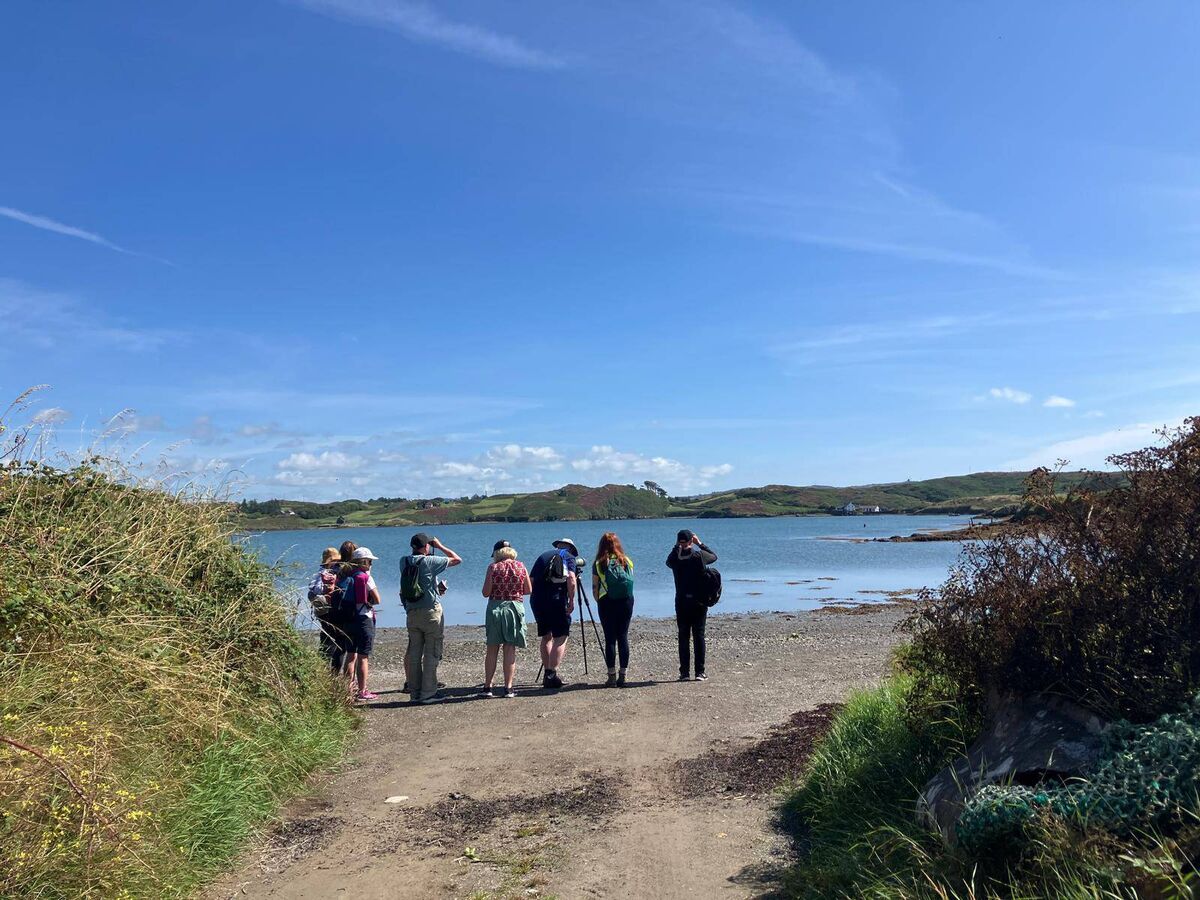
Fortunately, there is now a massive appetite for community-driven nature conservation across Ireland. When I started working on Eco-Eye in 2014, making television documentaries about environmental issues in Ireland, we had to search out worthwhile projects across the country to showcase conservation in action.
Now, conservation has firmly moved beyond the confines of state agencies and a handful of environmental NGOS, with a wealth of community-powered projects all over Ireland. Many of these initiatives focus on river restoration.
Thus, it is timely that a new ‘digital hub’ has just been launched by Nature Network Ireland to showcase these projects and facilitate communities to connect, share resources, and collaborate for greater impact.
Cork Nature Network (the precursor to Nature Network Ireland) is one such group that has been carrying out impactful collaborative conservation projects, which up to now have been mostly focused on otters in and around Cork City and Cork Harbour.
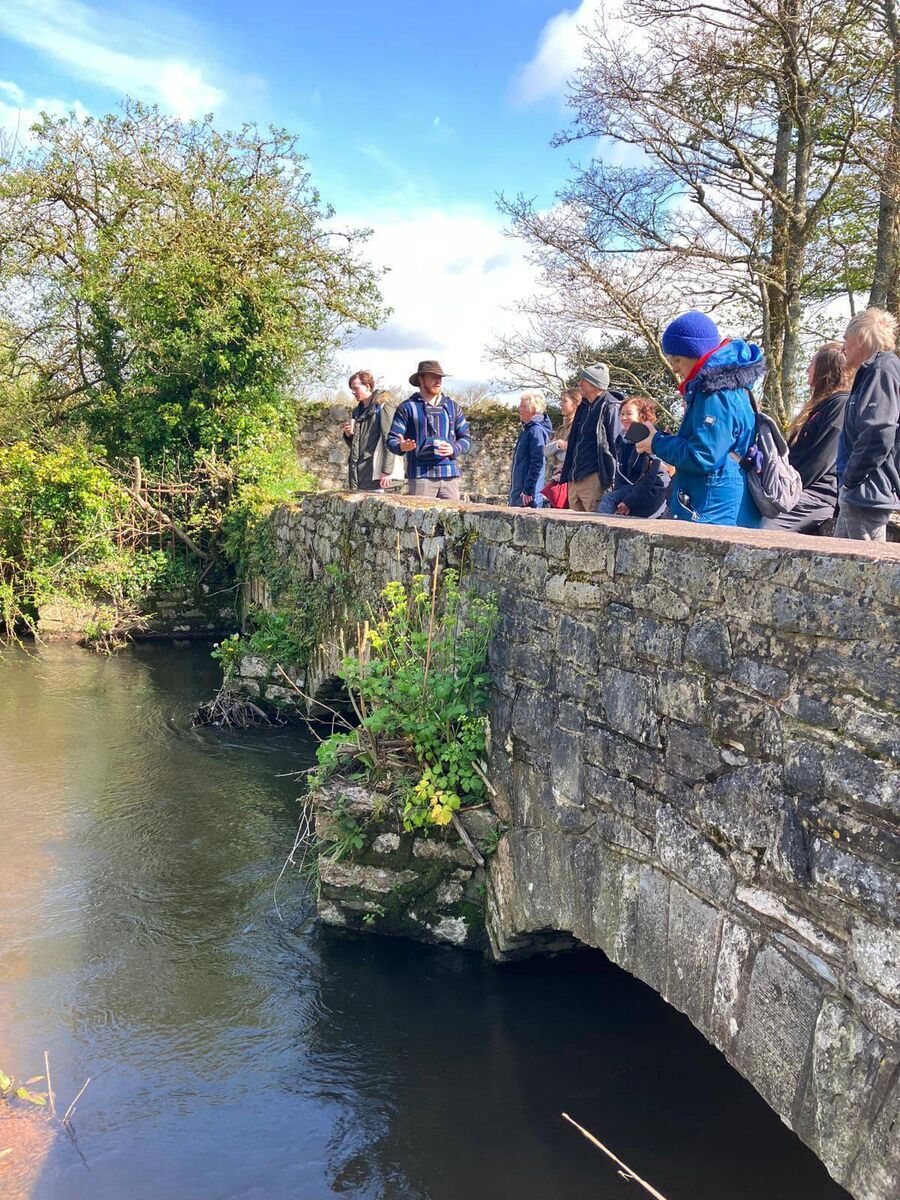
One of their projects was a 2023 otter spraint survey to better understand the distribution of otters in Cork city. They also have made a short film about otters in and around Cork and educational resources about otters for schools in Youghal.
Download Cork Nature Network’s ‘otter trails’ leaflet here to see where otters live along the River Lee. From the city quays to Bishopstown and Ballincollig.
Now, all these projects are featured on Nature Network Ireland’s digital hub, so that other groups around the country can be inspired by and learn from each other’s endeavours.
This is a national online platform designed to turn isolated local efforts into a powerful, interconnected national movement. Exactly what we need as momentum builds for community-powered conservation action.


CONNECT WITH US TODAY



Be the first to know the latest news and updates