The many ways to be a wild bee — and what we can do to help them
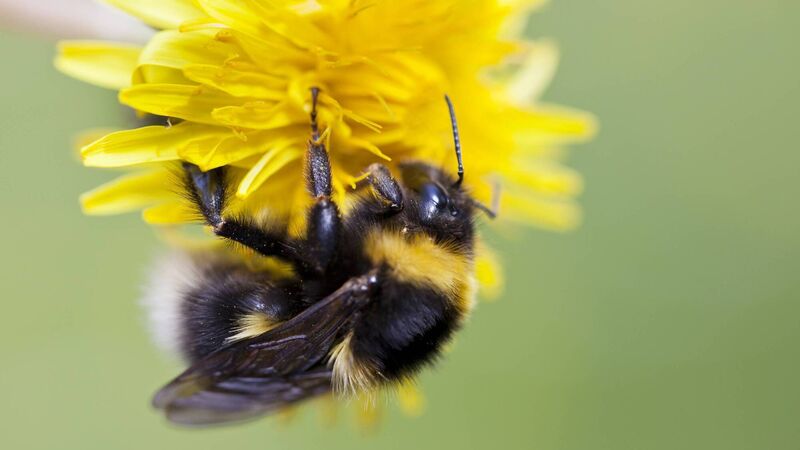
During the month of April, observe how bees are drawn to wildflowers for their generous offering of nectar pollen. Dandelions are one of the best food sources for bees, so leave them be. Don’t spray herbicides or pesticides.
Last week I saw a great big bumblebee, the first of the year for me. She was flying low across the well mown grass of a city park. Likely a queen bumblebee just emerged from hibernation, seeking out flowers, eager to drink of their nectar to keep her energy levels up whilst gathering up pollen to bring back to her nest.
But being an urban park in March, there are few wild flowers for her to find. Fastidious mowing means that dandelions are few and far between. The colourful swathes of spring bulbs that have burst in to bloom are of little use to wild bees. Daffodils, for example, have been selectively bred over centuries, so that now their flowers are bigger and brighter than their natural, wild ancestors, all frilly petals and double blooms, with scant offering of the nectar or pollen that wild pollinators need. Most of the flowers we plant in gardens and parks a great big disappointment for hungry bees in springtime. The pretty blue hyacinths that are also widely planted in parks are reputed to have a little more to offer foraging bees than daffodils, though pale in comparison to the quantities of nectar and pollen provided by wildflowers such as dandelions.


CONNECT WITH US TODAY



Be the first to know the latest news and updates
Revoiced
Newsletter

Sign up to the best reads of the week from irishexaminer.com selected just for you.
Scene & Heard
Newsletter
Music, film art, culture, books and more from Munster and beyond.......curated weekly by the Irish Examiner Arts Editor.