Birds of Ireland: Chiffchaff
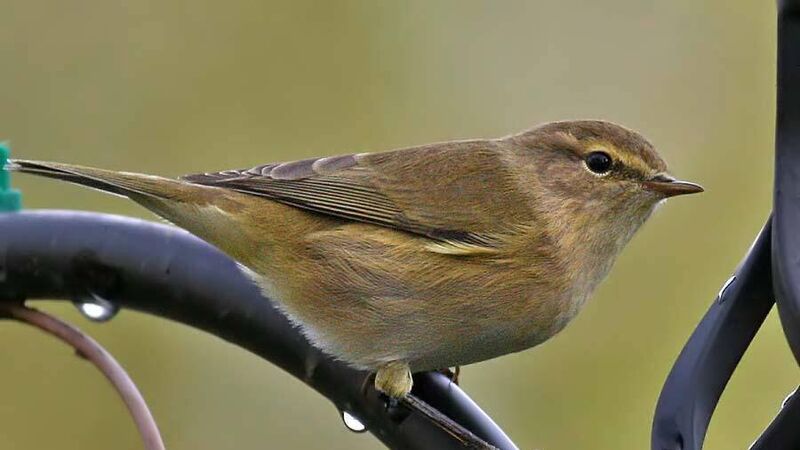
Chiffchaff
A chiffchaff is about 10-11 centimetres long with a wingspan of 17-18 centimetres. They are a common breeding species here on woodland, farmland, and in gardens in Spring, Summer and Autumn.


CONNECT WITH US TODAY



Be the first to know the latest news and updates




![<p> The International Union for the Conservation of Nature says that “an ecosystem is collapsed when it is virtually certain that its defining biotic [living] or abiotic [non-living] features are lost from all occurrences, and the characteristic native biota are no longer sustained”.</p>](/cms_media/module_img/9930/4965053_12_augmentedSearch_iStock-1405109268.jpg "<p> The International Union for the Conservation of Nature says that “an ecosystem is collapsed when it is virtually certain that its defining biotic [living] or abiotic [non-living] features are lost from all occurrences, and the characteristic native biota are no longer sustained”.</p>")
