Studying impact of honeybees on local wild bees
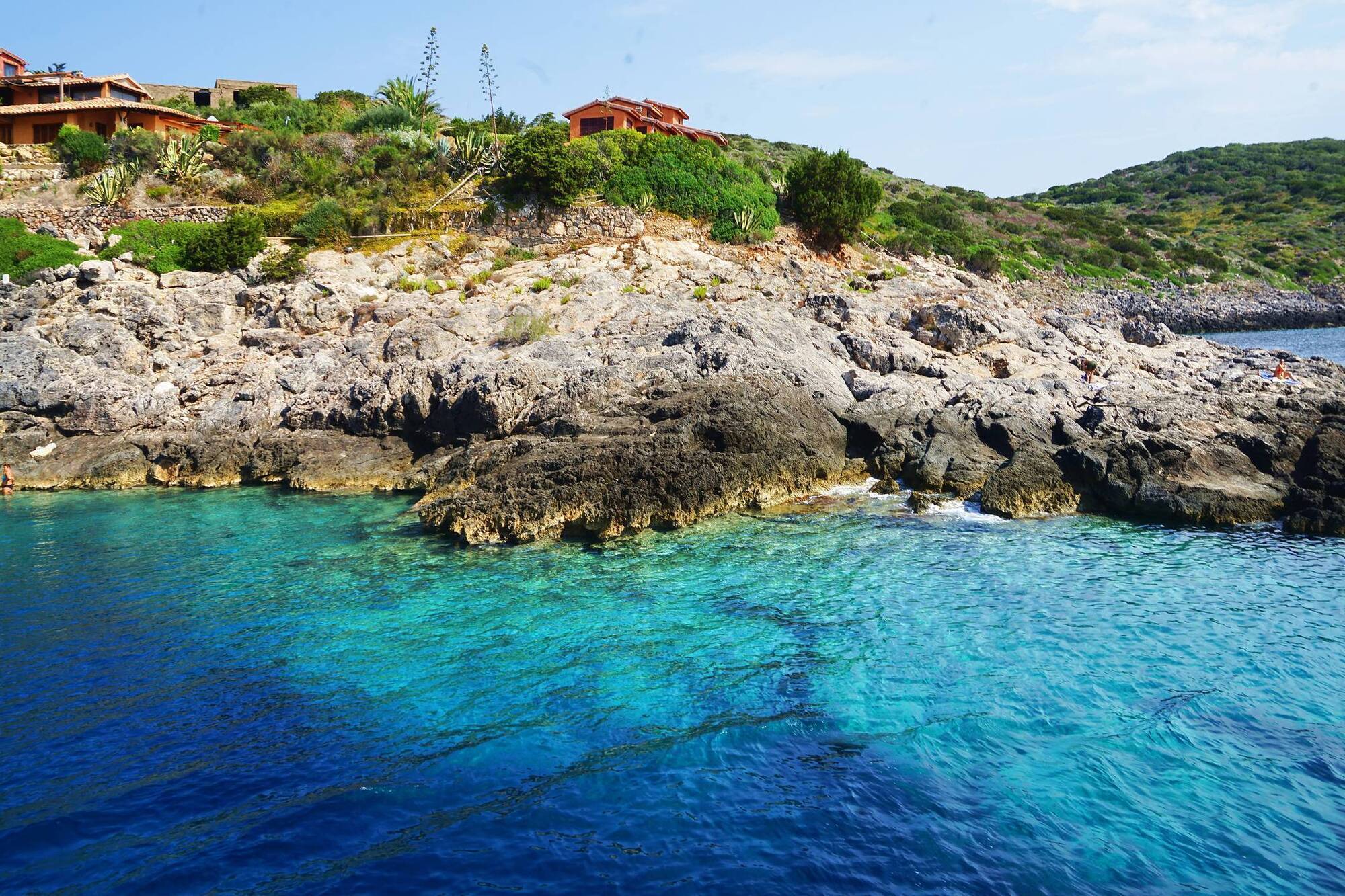
View from the sea of Giannutri Island, Tuscany — up until 2018 the island was honeybee-free as they don't fly over water
If the bee disappeared off the surface of the globe, man would have only four years of life left — Albert Einstein.
We consider that our beloved honeybees can do no wrong. But are they as ‘squeaky clean’ as we think? Recent research in Italy suggests that these eco-saints, despite their being an example to us all, have a dark side.
There are about 1.4 billion insects for every person on the planet. More than 90% of known animal species are insects. But many of these little creatures are in trouble... some are being driven into extinction before scientists have even identified and described them.
Car windscreens used be peppered with the bodies of dead insects, even after short journeys. But we don’t need to clean windscreens for that reason nowadays — the insects are gone. Lethal pesticides and habitat destruction are responsible for the massacre, but are there other, less visible, threats?
Honeybees, the insect equivalent of farmed livestock, are the world’s greatest pollinators. They originated in Southeast Asia, but the lure of honey was so irresistible that they were soon transported throughout the Old World. European colonists took them to across the Atlantic in the 17th century. Honeybees are now found just about everywhere apart from the Poles.
Farmers and fruit growers need the services of these pollinators. But many other insects, especially wild bees, also live on the nectar handouts of flowering plants. In a world where parasites pesticides and flower shortages take an ever increasing toll, are some insect species being threatened by competition from their pampered domesticated rivals?
Honeybees perform extraordinary GPS-style feats of navigation, but they refuse to fly over water. Researchers exploited this weakness to investigate their impact on wild pollinators.
Altra dura giornata di monitoraggio degli impollinatori, stavolta Isola di Giannutri.#scienzenaturali#bees #bumblebee #islandbiodibersity#arcipelagotoscano pic.twitter.com/Yw9fOQLfS2
— Lorenzo (@entomolore) October 13, 2021
Giannutri is a little island off the coast of Tuscany, 17 kilometres from the Italian mainland. Its isolation ensured that honeybees never got there under their own steam. Up to 2018, the island was honeybee-free.
In that year 18 hives were introduced. The new colonisers were now active each year between December and June. To scientists from the University of Florence, the island had become a virtual laboratory, in which the presence of honeybees could be controlled and the effects on wild species monitored.
Teams of researchers carried out transects of the island, recording the numbers of wild bees present. Then, on selected days over a three-year period, they blocked the exits of the bee hives, confining the worker bees to barracks from dawn to dusk. Wild bees had the island to themselves on those days.
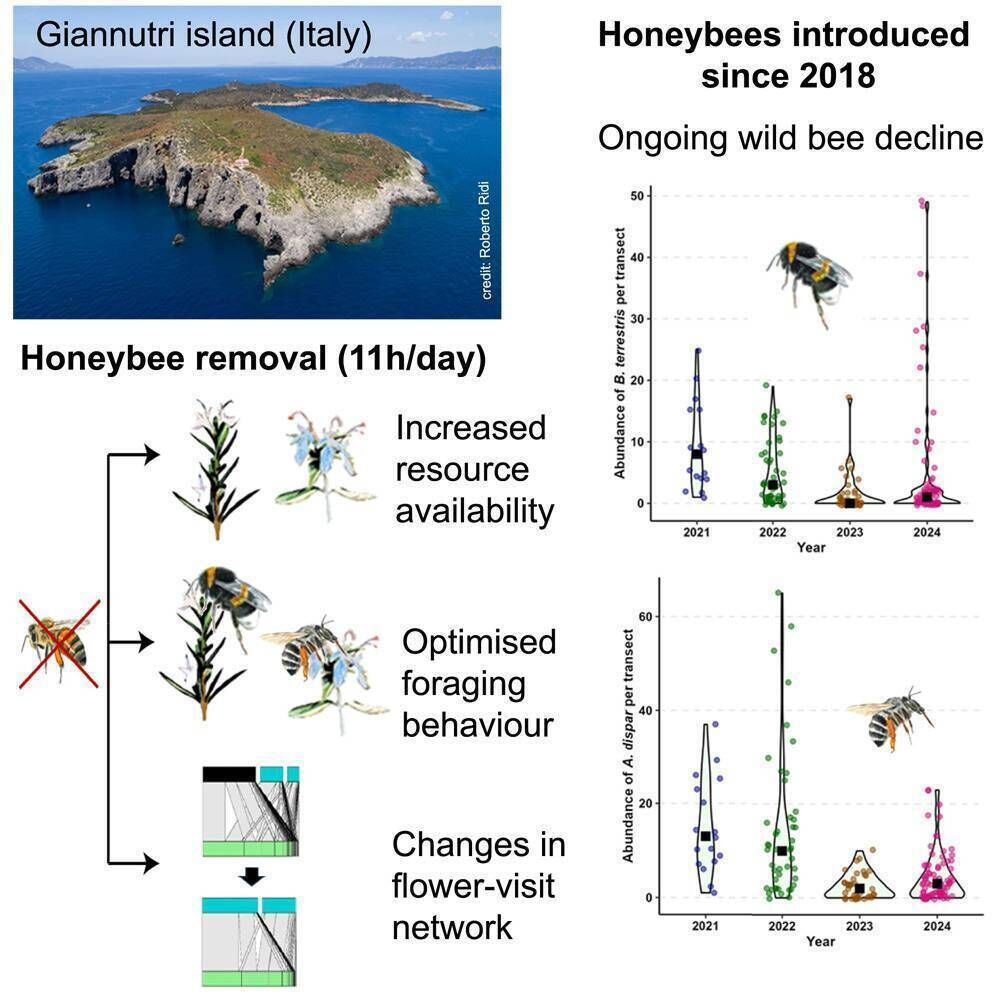
With the honeybees in custody, the numbers of wild bees seen increased. Their behaviour also changed — they seemed more relaxed, moving methodically from flower to flower to suck on nectar, the amounts of which increased by about 60% in the flowers of prominent plants. Pollen abundance rose by about 30%.
Transects revealed an 80% decline in bumblebee species numbers during the four years following the honeybee introduction. This, the researchers say "is consistent with honeybee monopolisation of floral resources, thus reducing availability for wild pollinators and altering their foraging budget".
So, are honeybees greedy bullies? Well, nobody is perfect!
CONNECT WITH US TODAY



Be the first to know the latest news and updates