Anja Murray: Nitrates not giving our rivers a chance to breathe
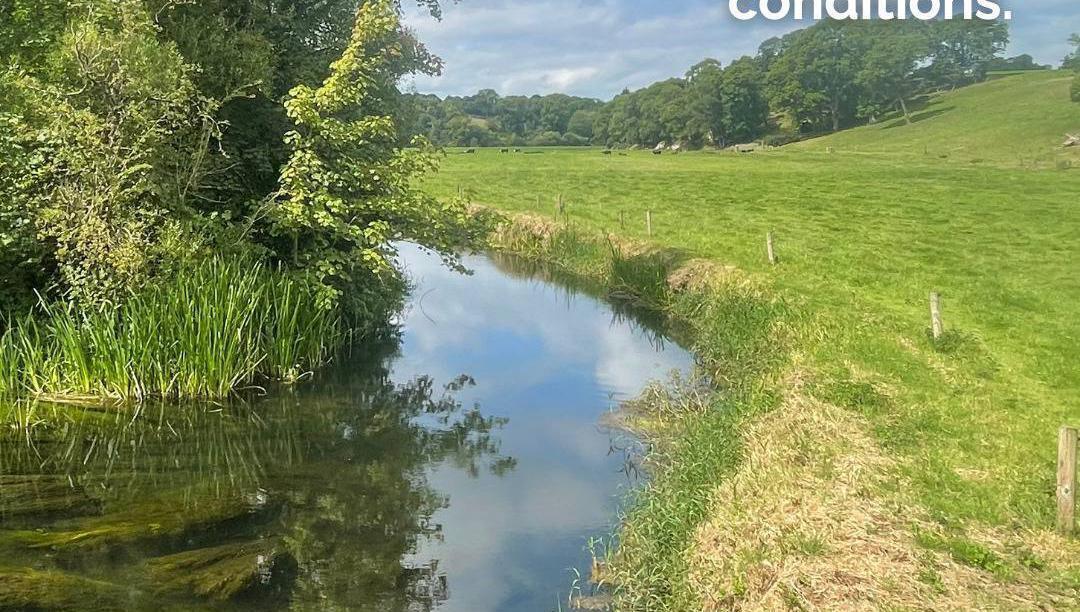
EPA Ireland: Excess nutrients from agriculture, urban wastewater and other human activities remains the biggest challenge, followed by changes to physical habitat conditions
When it comes to healthy rivers and lakes, Ireland has long had a deep connection with waterways.
The earliest people here, arriving sometime in the palaeolithic period, settled mainly along lake shores, rivers and coasts, where access to freshwater and abundant fish was assured. Through millennia, we have been blessed by rivers full of salmon, trout and eel — always enough to harvest our fill while leaving plenty for the future continuity of the resource.
Until recent times, springs and wells were widely considered sacred, as connections to the otherworld and sources of knowledge and wisdom. Our folklore celebrates the salmon, the otter, the heron, and the eel. Aquatic offerings have shaped our culture, in material as well as spiritual ways.
Nowadays we are still a nation of keen anglers, and most people enjoy the simple pleasures of picnicking by a lakeshore or summer swims in wild waters.
But somewhere along the way, our values shifted. It is now widely considered acceptable to heap pollutants into lakes until the ecosystems they once sustained are eliminated — think Lough Neagh, Lough Carra in Mayo, and Lady’s Island Lake in Wexford, to name a few whose collapse has been in the media this year.
We continue to dredge the life from rivers, load them with pollutants, and regularly fail to prosecute the culprits of fish kills, with the Munster Blackwater fish kill in August being a case in point. Ireland’s record on water quality is now utterly dismal.
Living waters are sustained by oxygen. Underneath the ripples, everything from mayflies, caddis flies and other freshwater invertebrates, right up to the dippers, kingfishers, salmon, trout, and herons, all are reliant on well-oxygenated waters. Excess nutrients, in particular phosphorus and nitrogen, deplete waterways of their oxygen and destroy healthy habitats.
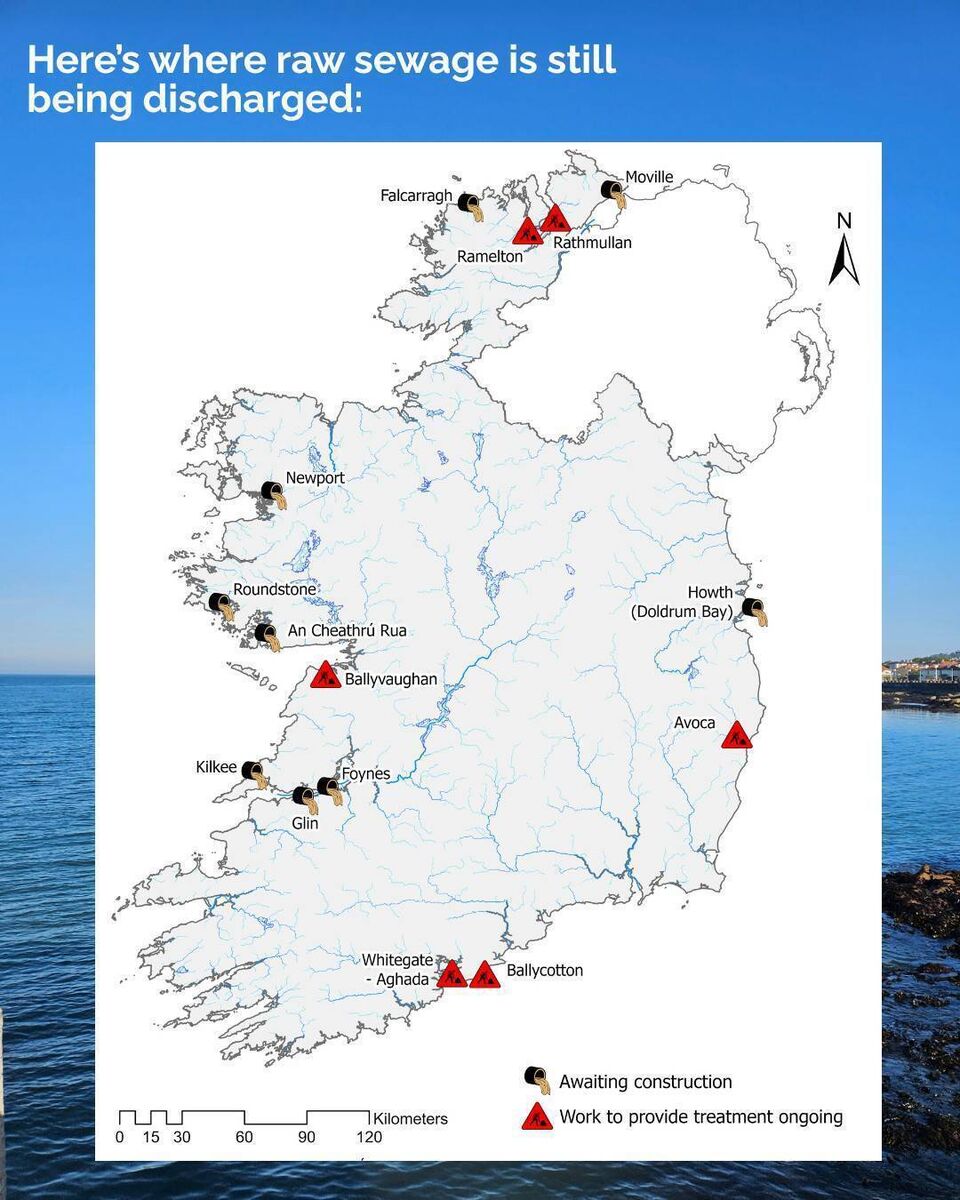
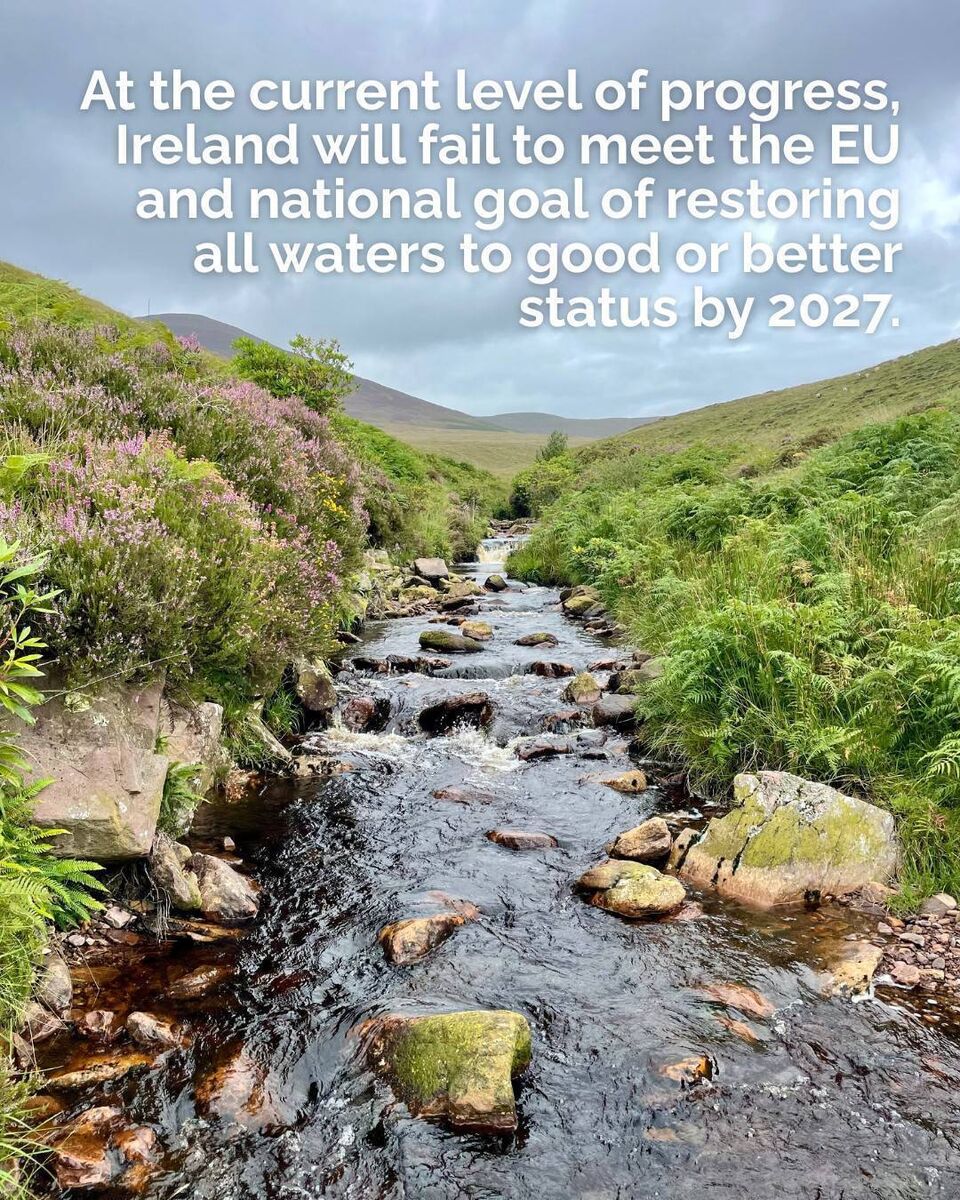
In October, new data from the EPA highlighted how levels of water pollution are continuing to rise across Ireland. Nearly half (44%) of rivers are contaminated with elevated levels of nitrogen — a significant increase upon the 40% reported for 2023. The most severe deterioration in the health of rivers and estuaries has been occurring in the South and Southeast of the country, where increasing dairy outputs are a growing export commodity. Between 2013 to 2023 there has been a 42% increase in dairy cows in Ireland.
Last week, the European Court of Justice, Europe’s top court, found massive gaps and flaws in the regulations that are supposed to prevent water pollution. After more than a decade of warnings that more effective action is necessary, the court has found that the State has long been in breach of no less than 14 separate aspects of the Water Framework Directive, including the damage caused by arterial drainage and dredging, and insufficient action to prevent water pollution.
In the same week that the ruling was delivered, the State has been continuing to lobby hard in Europe for special permission to continue overloading waterways with agricultural nitrogen. The main source of nitrate pollution in rivers, lakes and estuaries is runoff from agricultural fields, especially from free-draining soils undermanaged for intensive dairying where chemical fertilisers, slurry and animal urine, all rich in nitrates, end up washing in to waterways.
The Nitrates Directive is designed to help member states reduce this pollution over time, but Ireland has instead been getting exemptions around the levels of nitrate fertilisers that can be applied to the land, making the case that without the derogations, continued growth of the dairy industry would be curtailed. Member states that apply for a derogation means they are given permission to exceed the limits if water quality doesn’t suffer. But clearly water quality suffering.
However, rather than seek to effectively mitigate against harm, there has been no system in place to assess whether or not the land on derogation farms can absorb the extra nitrogen or how much the runoff might impact wild salmon fisheries, spawning beds, and the aquatic invertebrates that sustain the food chain in healthy river ecosystems... including endangered habitats and species protected under the Habitats Directive.
The Government has continued to put its head in the sand, maintaining that another derogation is the only way forward. Ireland is now one of only two countries left in the EU seeking an extension of the derogation, which has been in place since 2006. The decision whether to grant further derogation is now being taken by a committee of the EU, which will base its decision on our national Nitrates Action Programme. Water scientists have been calling out the inadequacies of successive Nitrates Action Programmes for more than a decade, as evidenced by ongoing declines in water quality.
The good news is that it is possible for lakes to recover and rivers can be rehabilitated. We have an excellent understanding of how to recreate salmon spawning beds, for example.
Restoring rivers for salmon does much to pave the way for the recovery of other species too — from mayflies and kingfishers to eels and otters.
But for any of this to proceed, the current heavy loading of agricultural nutrients will have to stop. Lakes and rivers need to be given the chance to breathe, to reoxygenate their habitats so that life can return. The destructive and outdated national dredging programme will also have to be revisited.
The plot of this story is unfolding as we speak, we are all part of it.

CONNECT WITH US TODAY



Be the first to know the latest news and updates