Sun, sea and a slippery slope: What your sunscreen isn’t telling you

Studies have shown that up to 25% of sunscreen applied to the skin can be released into the water within just 20 minutes of swimming
Ah, the Irish summer. That fleeting, magical few weeks when we lose the run of ourselves. Armed with floppy hats and an overzealous application of SPF50, we hit the beaches in pursuit of vitamin D and something resembling relaxation.
We’re a pale-skinned nation with a proud tradition of getting sunburnt in 16°C weather, so sunscreen is non-negotiable. But while we’re busy slathering it on like mayonnaise at a summer BBQ, it turns out that what’s good for your epidermis might not be so good for the environment. So, before you dive headfirst into the sea this summer, it might be worth asking: what exactly are you leaving behind in the water?
Most commercial sunscreens contain chemical UV filters, such as synthetic compounds like oxybenzone, octinoxate, octocrylene, avobenzone, and homosalate. These ingredients work by absorbing UV radiation and converting it into harmless heat. Sounds harmless enough, until you learn what happens when they wash off your body and into the sea.

And wash off they do. Studies have shown that up to 25% of sunscreen applied to the skin can be released into the water within just 20 minutes of swimming. While that sounds like a small price to pay for preventing sunburn, marine ecosystems disagree.
Chemical UV filters, especially oxybenzone and octinoxate, have been shown to bleach coral by damaging their symbiotic algae. This relationship is essential for coral survival, when the algae die, the coral loses its colour, starves, and eventually crumbles.
Oxybenzone, in particular, is toxic to juvenile corals even at concentrations as low as 62 parts per trillion. This is the equivalent to a single drop in six and a half Olympic-sized swimming pools. But it’s not just coral that’s affected. These chemicals have been linked to developmental deformities in fish, DNA damage in marine invertebrates, and hormonal disruption in sea urchins and molluscs.
For already stressed ecosystems grappling with warming seas, pollution, and overfishing, sunscreen pollution is yet another layer of existential dread.
But I’m not holidaying in the tropics, you might say. Surely my SPF doesn’t matter in Bundoran or Clonakilty? I’m sorry to say, no. Sunscreen doesn’t just wash off at the beach. It also rinses off in the shower — entering our wastewater systems and, eventually, rivers, lakes, and estuaries. Wastewater treatment plants aren’t always equipped to filter out synthetic UV filters, meaning these pollutants end up affecting freshwater organisms, too.
Chemical filters have been found in tap water, sewage sludge, and even in human blood, urine, and breast milk. Some studies suggest they can act as endocrine disruptors, interfering with hormones in both humans and wildlife. One particularly persistent compound, octocrylene, has been detected in fish tissue and shown to accumulate up the food chain.
The good news is you don’t have to choose between skin cancer and coral collapse.
There are plenty of ways to protect yourself from UV damage while also minimising your impact on the planet.
Here’s what to look for:
- Choose physical (mineral) sunscreens. These use zinc oxide or titanium dioxide to physically block UV rays by reflecting them off the skin. Crucially, make sure the label says 'non-nano', which means the particles are large enough that they’re not absorbed by marine organisms (or by your own skin). However, nanoparticles can still pose a risk to aquatic life, depending on how they’re formulated.
- Avoid harmful chemical filters. Scan the ingredient list and steer clear of oxybenzone, octinoxate, homosalate, avobenzone, and octocrylene. These are the most notorious for environmental toxicity, but research is ongoing, and new concerns are emerging regularly.
- Ditch the fragrance and spray. Fragrance additives can irritate sensitive marine organisms and are often undisclosed. Aerosol sprays, meanwhile, create a fine mist of sunscreen particles that often end up in the sand, not your skin. These particles are easily washed into the ocean with the tide.
- Look for sustainable packaging. While the contents of the bottle matter most, the packaging isn’t irrelevant. Seek out sunscreens that use recycled materials, avoid single-use plastics, or offer refill options.
Sunscreen pollution isn’t the biggest problem our oceans face. But it is one we can do something about easily. You don’t need to become a marine biologist, move off-grid, or wear a hazmat suit to the beach.
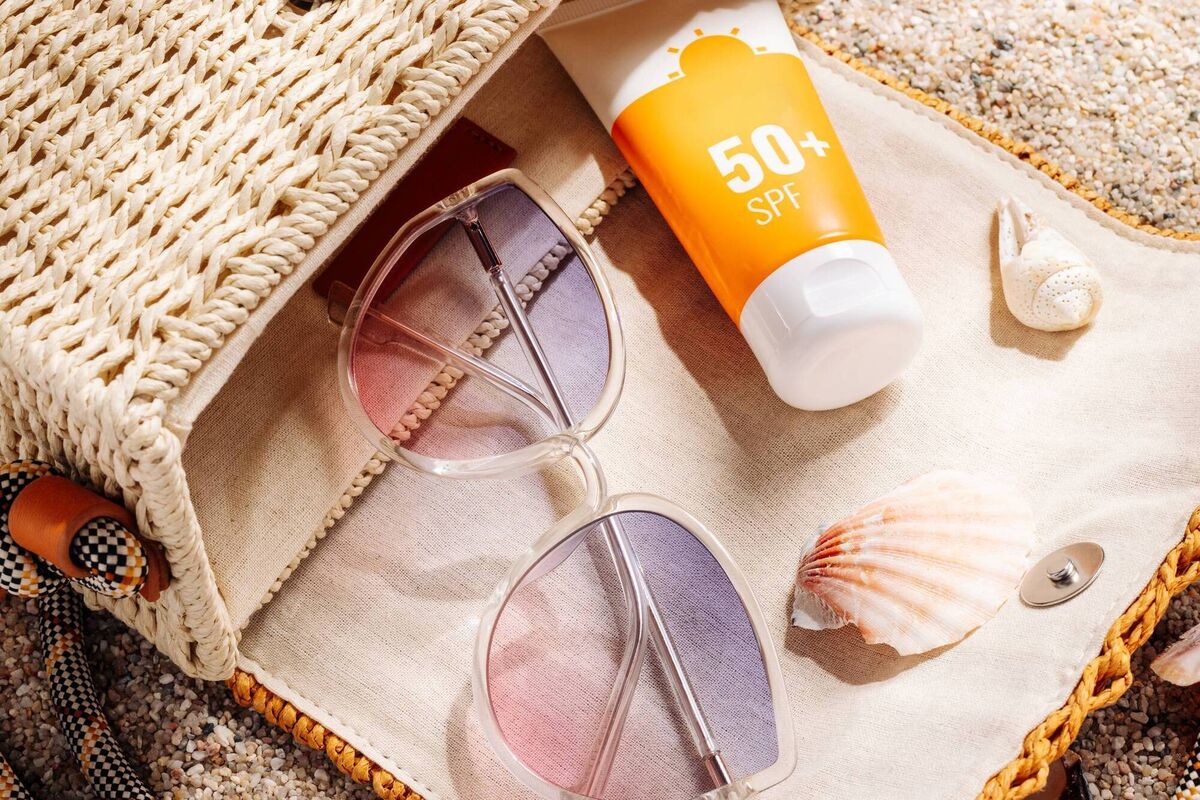
Just make more informed choices at the chemist. Swapping out chemical sunscreens for non-nano mineral options or lounging under a shady umbrella can keep both your skin and the seas happier. No sunscreen is a saint... even mineral-based ones leave a footprint from mining to plastic tubes.
So yes, wear sunscreen. Always. A simple switch in your beach bag can help protect both your skin and reduce the chemical impact on marine life. And that’s a glow-up we can all feel good about.
CONNECT WITH US TODAY



Be the first to know the latest news and updates