Anja Murray: Don't reject the generosity of wild self-sown flowering plants

The now widely recognised problems facing insect pollinators are closely linked to losses of such native forage plants in our landscapes over the course of the past 100 years
Anja Murray: Don't reject the generosity of wild self-sown flowering plants

Ragwort, bramble flowers, ox eye daisy, thistle, cow parsley, teasel... "These are generous plants that offer a lifeline to bees and butterflies, at least as deserving of space as anything we might intentionally plant or grow" — Anja Murray

Maintaining a garden free of 'weeds' is never easy. I’ve been taking a different approach this year, and giving some self-sown weeds the freedom to grow as they please. There’s a small vegetable patch, about the size of a child’s bed, that I’ve let fill up with self-seeded ragwort, which by now have reached more than a metre in height. Their bright yellow flowers are abundant and richly pigmented, as attractive as any intentionally-planted, nursery-bought flowering plant. If I had just arrived here from some faraway culture, one unfamiliar with the native flora and fauna and thus untainted by the negative cultural associations we have for ragwort, I would be impressed at how well this beautiful plant looks. I might even consider it a star of the garden’s flower border.

The reason I decided to leave the ragwort grow this year is that I had become aware of the value of ragwort for butterflies, moths, wild bumblebees, solitary bees and hoverflies. Their frequenting the flowers now comes as no surprise, but after years of pulling up ragwort seedlings, I hadn’t expected to suddenly find it looking so lovely too.


I now enjoy watching wild bees and hoverflies buzzing around the bright flowers, and through this new perspective, I smile every time I see ragwort’s yellow flower heads growing in roadside verges and forgotten nooks across town and country.

Ragwort is an unsung hero. A whopping 35 insect species are totally reliant on ragwort, meaning that it is their exclusive larval food plant or is essential at some point in their life cycle. A further 85 native insect species use the flowers as sustenance, including all of our native butterflies. 

Down through the ages, ragwort has been extensively used as a medicinal plant, prepared in treatments for burns and boils, to heal sprains and swollen joints, and as a remedy for coughs and colds.

However, it is legally designated as a noxious weed on account of it being poisonous to cattle, horses, deer, goats, pigs and chickens when eaten in large quantities. Sileage and hay containing ragwort can cause harm to farm animals. Because ragwort tastes bitter and nasty, these animals generally avoid eating it when its growing in a field or a verge. The threat of poisoning is only when hay or sileage is made that includes ragwort, in which case the animals inadvertently chow through whatever is contained in the hay. In urban settings, in gardens, public greenspaces and roadside verges, the only problem with ragwort is our attitude against it.

Other wild flowering plants that are exceptionally rich in resources for insect pollinators are listed and ranked in the ‘Database of Pollinator Interactions’. Eight out of the top 10 most visited plants are native wildflowers that are widely considered weeds, including creeping buttercup, thistles, hogweed, cow parsley, bramble, and ox-eye daisy. Native ivy, dandelion and bramble are also identified as high-ranking resources for wildlife.

The now widely recognised problems facing insect pollinators are closely linked to losses of such native forage plants in our landscapes over the course of the past 100 years.

Anja Murray: "Because of its prickly thorns and its tendency to take over, bramble is not a well-liked plant, except in August when the blackberries appear. Yet bramble flowers produce large volumes of nectar and pollen throughout the summer months, and are visited by a wide range of pollinators including butterflies, hoverflies and solitary bees."

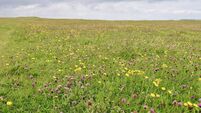
Last week I visited a friend’s land, a five-acre rural plot in Wexford, where self-sown wild plants are given ample space to flower and set seed. An enormous pond, an array of flowering meadows, thickets of bramble, and a forest garden containing lots of native trees were all bustling with life. Many of the wild plants growing so well here are species that we have been culturally conditioned to see as messy.

For example, the brambles that are now flowering so profusely are not a plant we jump to admire. Because of its prickly thorns and its tendency to take over, bramble is not a well-liked plant, except in August when the blackberries appear. Yet bramble flowers produce large volumes of nectar and pollen throughout the summer months, and are visited by a wide range of pollinators including butterflies, hoverflies and solitary bees.

This year I have been seeing bramble flowers with fresh eyes, smitten by their pink flush on their flower petals and newly appreciative of their enormous value to wildlife. Bramble is certainly another plant we would do well to reconsider our prejudices against.

Bumble bee on teasel in Cork city garden

I was enthralled also by the sweet scent of teasel. Somehow, I had never noticed the rich smell of teasel before, despite being a long-term admirer of its stunning stature. There were red admiral butterflies aplenty on the teasel tops, also attracted by the sweet-smelling supplies of nectar. These butterflies are migrants from southern Europe and north Africa, where they spend the winter months. They breed in leaf 'tents' among nettles — another little-liked plant.

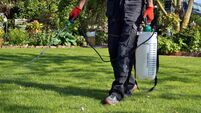
Those underappreciated plants we know as weeds are often the basis for healthy insect populations. Allowing these plants to flower, and set seed can make a world of world of difference, not only to insects that feed directly from them, but also to the wild birds that depend on insect food through the summer months. There is no great cost associated with establishing more native wild flowering plants, it is simply a case of mowing lawns, verges and public spaces less frequently and refraining from using pesticides.

A diversity of free growing, native, flowering plants is far more effective than bee hotels or gimmicky wildflower seed packets. Often these are not what they claim to be, and exploit people’s desire to ‘do the right thing’. Allowing self-seeded wild plants to emerge from the seedbank or grow from what’s in the seed bank is generally preferable. To provide year-round shelter, leaving wild plants in situ through winter also provides essential habitat for overwintering.

What we need now is a shift in our collective cultural perception of these plants. Rather than antipathy toward brambles, thistles, hogweed, cow parsley, nettles, and dandelions, we might open up to the value of such plants, reframing their existence as vital support for pollinators, as free reigning colourful additions to gardens parks and verges.

These are generous plants that offer a lifeline to bees and butterflies, at least as deserving of space as anything we might intentionally plant or grow.

x

More in this section

Revoiced

Newsletter

Sign up to the best reads of the week from irishexaminer.com selected just for you.

Cookie Policy Privacy Policy Brand Safety FAQ Help Contact Us Terms and Conditions

© Examiner Echo Group Limited