Why we need more trees in urban areas — and 10 native species to plant

Silver birch and downy birch are both native species
In the sweltering heat that descended in recent weeks, I am especially aware of the cooling effect of urban trees.
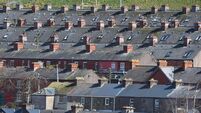
In the city, where tarmac and concrete prevail, heat builds up and even lingers late into the evening. In a phenomenon known as ‘urban heat islands’, soaring temperatures are amplified as heat is absorbed by hard surfaces and the density of buildings blocks the breeze. Street trees’ leafy canopies offer shade and act as natural air conditioners too, releasing moisture through transpiration. Protecting existing urban trees, increasing the canopy cover in parks and open areas, and planting new street trees are now a priority as climate change takes hold.


CLIMATE & SUSTAINABILITY HUB
CONNECT WITH US TODAY



Be the first to know the latest news and updates
![<p> The International Union for the Conservation of Nature says that “an ecosystem is collapsed when it is virtually certain that its defining biotic [living] or abiotic [non-living] features are lost from all occurrences, and the characteristic native biota are no longer sustained”.</p>](/cms_media/module_img/9930/4965053_12_augmentedSearch_iStock-1405109268.jpg "<p> The International Union for the Conservation of Nature says that “an ecosystem is collapsed when it is virtually certain that its defining biotic [living] or abiotic [non-living] features are lost from all occurrences, and the characteristic native biota are no longer sustained”.</p>")
