May dew as a beauty treatment and holy wells for cures — superstitions and ancient beliefs
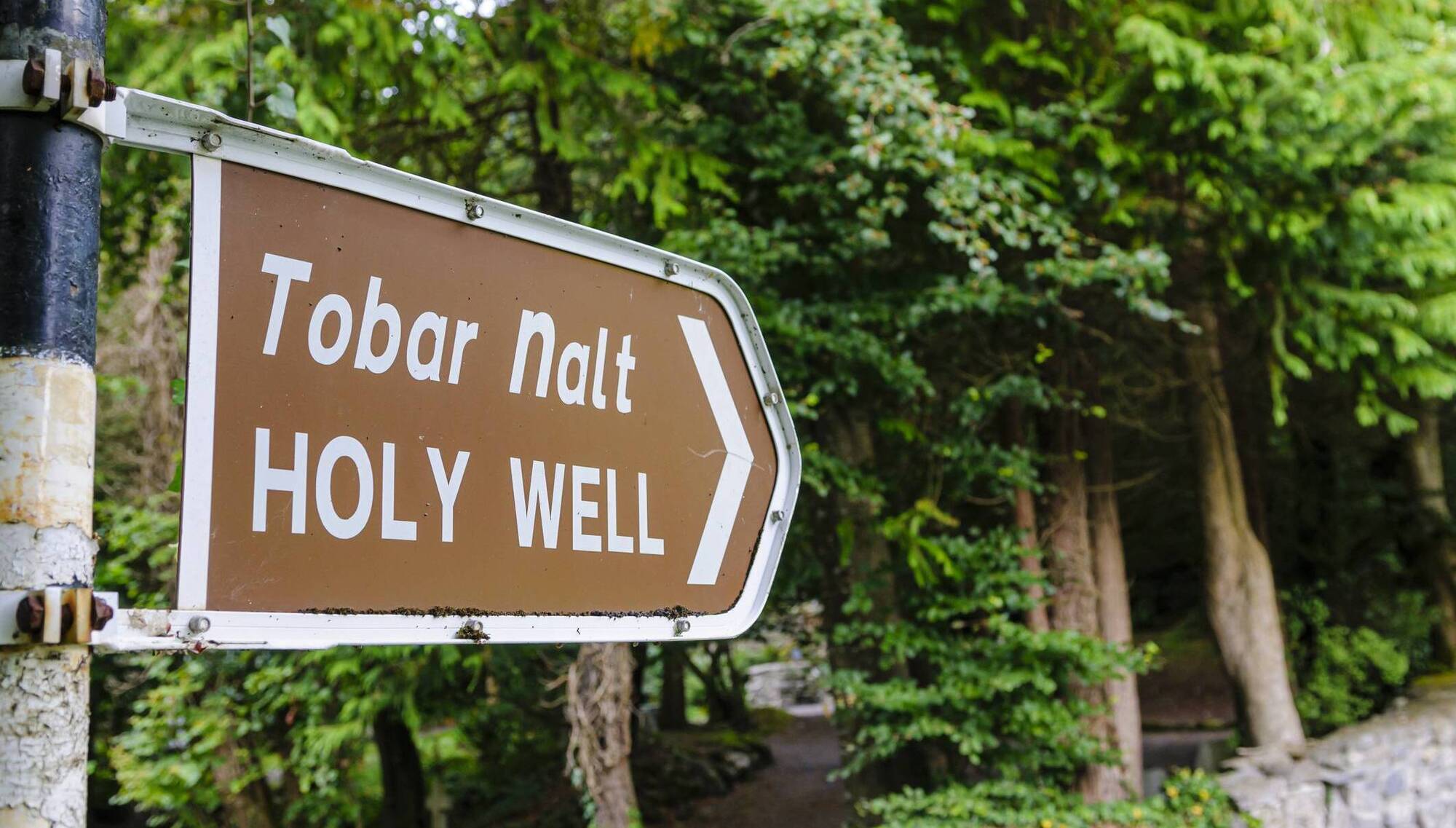
Holy wells across Ireland were traditionally visited for cures, protections, wisdom or in the hope of favours being granted. Pictured: Tobarnault Holy Well, County Sligo
With May wildflowers in bloom, readers have been in touch about nature and all its glory in what is many people’s favourite time of year.
Something that’s become very obvious in recent weeks is how nature catches up and recovers quickly from setbacks. In recent columns, we alluded to cold weather stunting growth, but, lo and behold, higher temperatures towards the end of April saw a rapid change… the greening of Ireland.
As the mercury hit a record 25.8°C grass seemed to shoot up, while flowers and furze adorned fields and roadsides. Trees put on a lush coat of leaves, forming canopies over familiar roads between Killarney and Mallow, and Innishannon and Kinsale, notably.
A huge bank of folklore, superstition, piseógs and, of course, the fairies (now busier than usual!) traditionally marked this time of year, as might be expected at the start of summer, and rebirth in the natural world.
Anybody wishing to eschew modern cosmetics and beautification treatments might be interested to learn of the virtues of May dew. Our ancestors went out before sunrise with bottles and jars to collect it from the grass.
They kept the dew all summer long, rubbing it to their faces as a medicine and an aid to beauty. Part of the process was to let it dry by itself: no rubbing it off.
Eminent folklorist Kevin Danaher says they believed the dew gave immunity from freckles, sunburn, chapping, and wrinkles during the year ahead. Furthermore, it also offered immunity from headaches, skin ailments, and sore eyes.
“The young woman who washed her face thus gained a fair complexion, while if she were daring enough to undress and roll naked in the dew she was given great beauty of person," he notes.
And there’s also something there for men. In his authoritative book, Dr Danaher says the man who washed his hands in dew became skillful in opening knots and locks, mending nets and disentangling ropes.
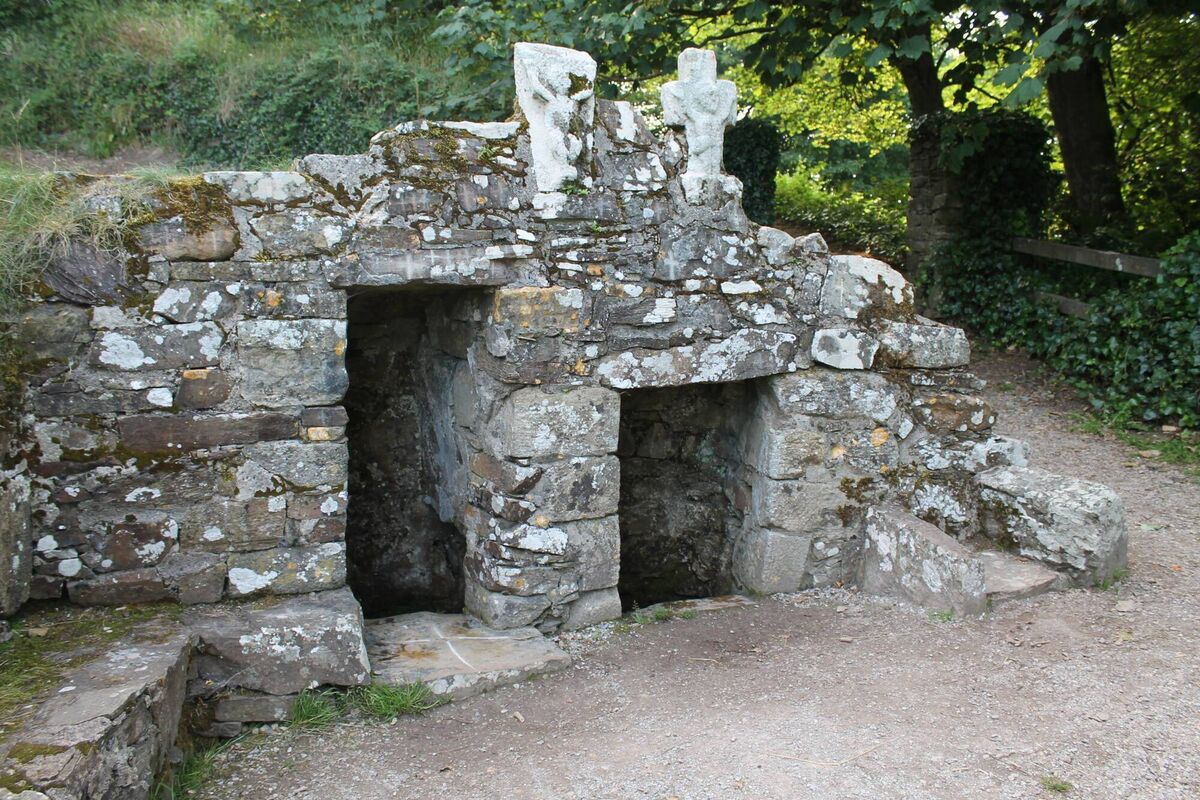
Visitation to holy wells is an age-old May custom that survives. In 1869, the Cork Archaeological Society reported large crowds at a well in an ancient stone fort, at the foot of the Paps Mountains, on the Cork/Kerry border.
The fort, Cathair Crobh Dearg, known locally as ‘The City’, near Rathmore, is still visited by many people during May. Some take home water from the well to sprinkle on cattle in the belief that it protects the animals from disease.
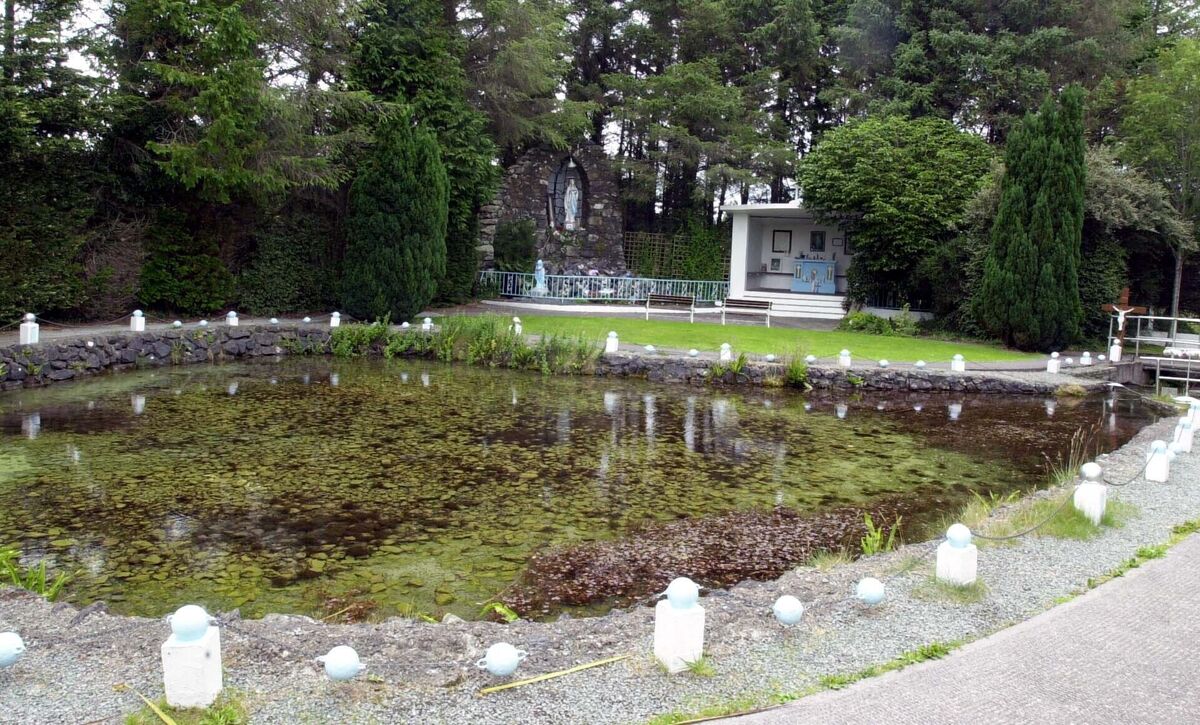
People still pray at holy wells, with some of the best-known being in County Cork and visited throughout the year — Tubrid, outside Millstreet, and St Gobnait’s well, Ballymakeera, for instance.

CONNECT WITH US TODAY



Be the first to know the latest news and updates