Richard Collins: Identification of new moray species is the eel deal
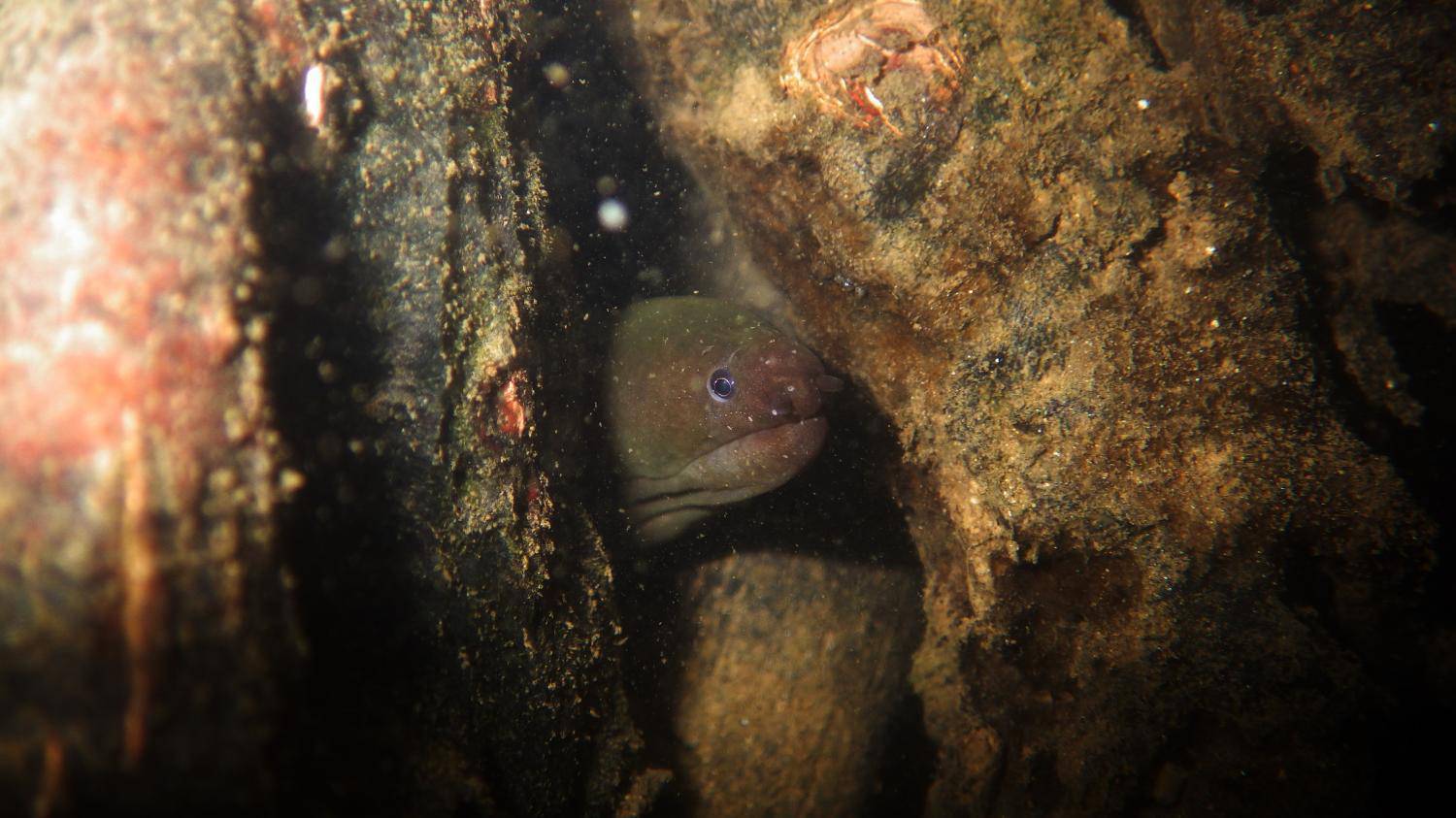
A new estuarine moray eel, Uropterygiushades, Hades snake moray. From Description of a new uniformly brown estuarine moray eel (Anguilliformes, Muraenidae) from the Central Indo-Pacific Ocean pubmed.ncbi.nlm.nih.gov/39698230/
Fishes live in the sea As men do a-land, the great ones eat up the little ones — William Shakespeare.
We all have our demons. Some of us fear rats, others are spooked by spiders. A friend of mine, who refuses to ‘see’ a therapist, won’t visit any country that has snakes.
My own worst nightmare is a large serpentine creature encountered when snorkelling or diving in warm seas — the moray eel. The name is Portuguese. An Cuan Moireach, the largest Scottish firth, has no connection with this fish.
コゲウツボ
— ざんくるす (Zankurus) (@zankurus) December 24, 2024
Hades’ snake moray
Uropterygius hades Huang, Hibino , Balisco & Liao, 2024 pic.twitter.com/6BppYwNjYW
A moray species, previously unknown to science, has just been identified. It was found, largely accidentally, by researchers from Taiwan’s Sun Yat-sen University, who were studying the estuary of a subterranean river in the Philippines.
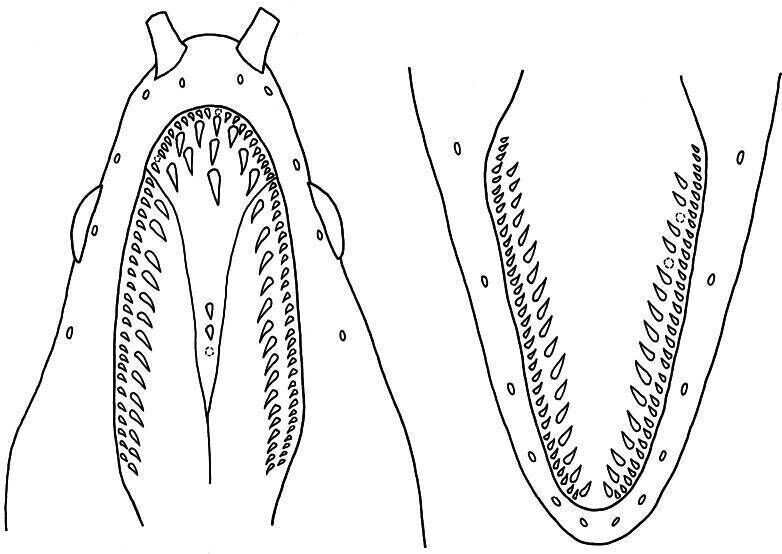
You don’t mess with morays. Individuals of some species can be more than two metres long, although I never encountered one that big. Most are ambush predators. They lie in wait, motionless, for a hapless victim to swim close to them. A moray’s gape extends well back in its big blunt-nosed head. Arrays of long razor-sharp teeth slope backwards, preventing fish it has seized from escaping. A diver must be careful when clutching a rock or coral... a moray bite can be excruciating.
However, no human fatalities from encounters with these ghoulish monsters have been recorded, although, as with bee stings, there is a risk of anaphylactic shock.
Morays accumulate toxins in their livers. Henry I of England is said to have died after eating eels in 1135. Fifty-seven people became seriously ill when feeding on a large moray in the Mariana Islands. One person died.
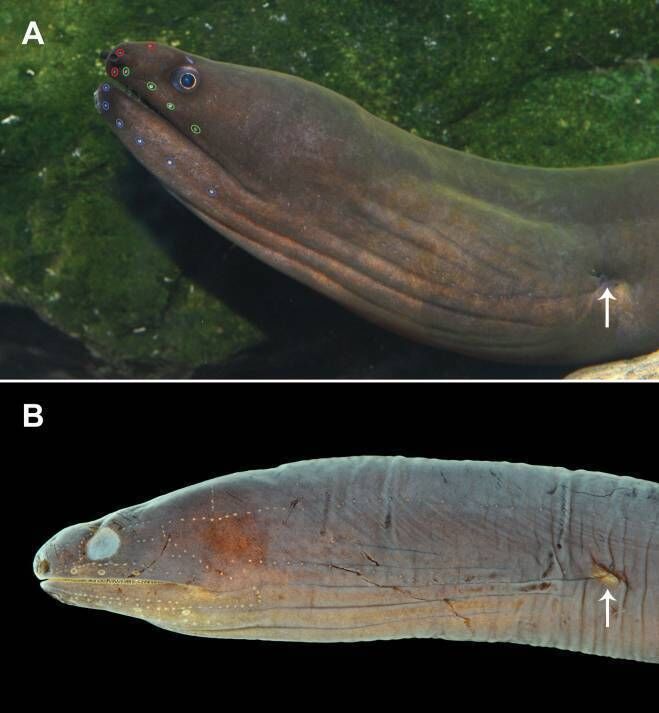
Many moray species are brightly coloured, but the newly-described one bucks the trend: a small snakelike creature, it is uniformly dark brown. Burrowing into the mud of murky estuaries, it will be known as the ‘Hades snake moray’ — an apt name given its lifestyle, Hades being the god of the dead and lord of the underworld.
Aristotle thought that eels spawned spontaneously deep in mud. Uniquely among morays, the Hades eel seems to thrive in freshwater.
Irish eel expert, the late Christopher Moriarty, believed that Muraena helena, plentiful in the Mediterranean, was the only moray species living in northern European waters. But ‘the times they are a changing’... the oceans are warming relentlessly. Fish from sub-tropical seas are visiting our shores. In 1997, a 1.12m long Mediterranean moray eel was caught off the Waterford coast, the first member of its species to be taken in Irish waters and the most northerly moray record in the North Atlantic at the time.
Writing in in 2003, marine biologist Declan Quigley listed seven moray species from the Northeast Atlantic. Only two of them, however, he deemed to be resident, the others being accidental vagrants.
Recent reports of catches here suggest that morays are among the sub-tropical species being tempted to move northwards.
Will Irish waters soon resemble those of the Bay of Biscay with white shark barracuda and moray colonisers keeping bathers company?
Let us permit nature to have her sway. She understands her business better than we do — Michel de Montaigne.
CONNECT WITH US TODAY



Be the first to know the latest news and updates