Anja Murray: The many kinds of bog cotton — and the bogs where they live
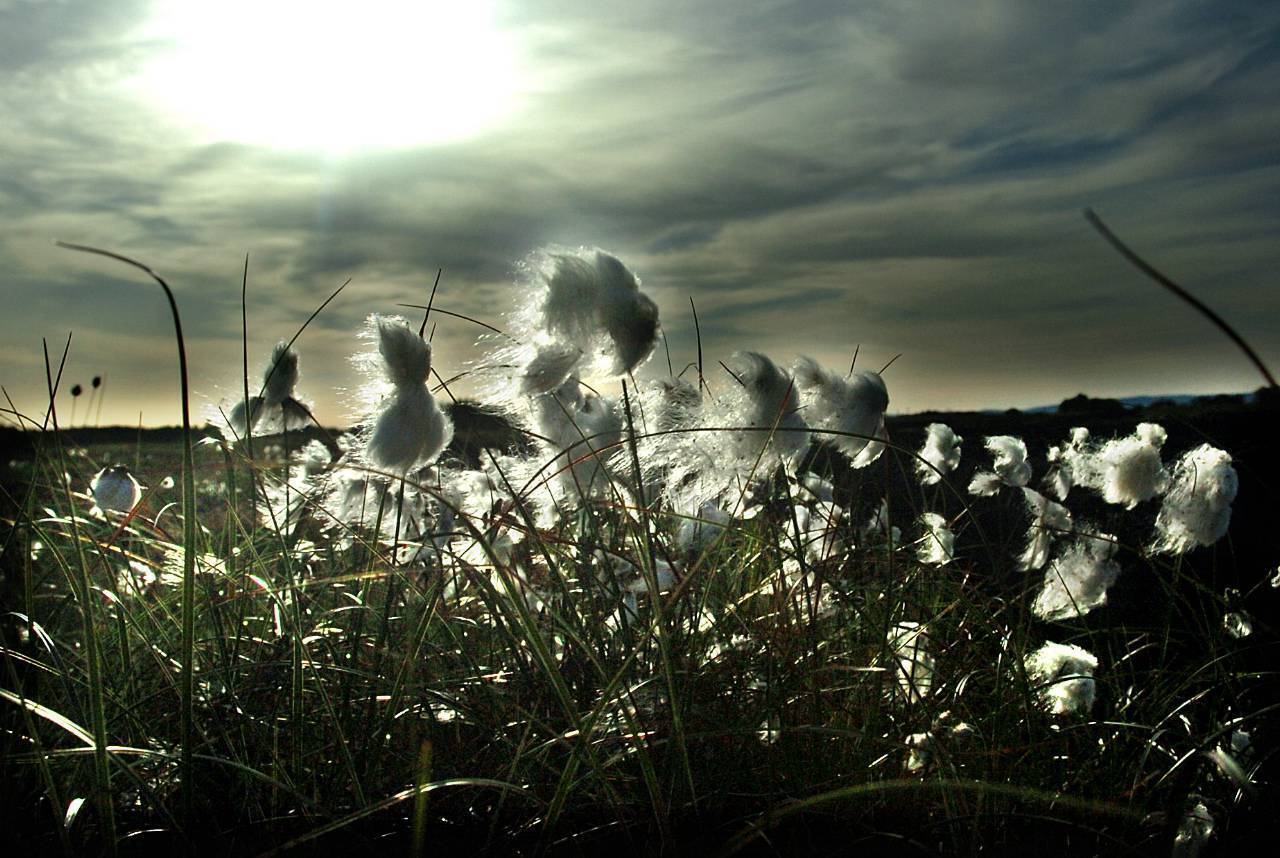
Bog cotton: the light, stringy fibres are the mechanism by which these plants have evolved to spread their seed far and wide
Twice in the past week I’ve sunk knee deep into wet bog, distracted by the beauty of a glowing russet sunset and partially blinded by evening light streaming across an expanse of bog cotton. I should know better. I generally pride myself on being able to read the terrain based on what’s growing there. But as the wise say, pride comes before a fall. My hiking boots may take a few days yet to dry out.
Swathes of bog cotton swaying in the wind, lit up by low golden evening sunlight, is a stunning sight. These white fluffy tufts are not the flowers but the seed heads of the plant. They are made up of fibrous strands, hence the comparison with cotton, though bog cotton fibres are too short and brittle to be spun in to useable fibre. Weaving bog cotton is a reference to attempting something futile. Rather than making fabric though, the fibres were once used to stuff pillows with and also to make insoles for shoes.
For the bog cotton, the light, stringy fibres are the mechanism by which these pioneering plants have evolved to spread their seed far and wide. Each strand has a small seed at its end that detaches from the plant and is carried far by the wind, enabling bog cotton to colonise new ground easily, in the same way that dandelions and other pioneering plants do. This is why bog cotton is so successful at establishing itself on freshly exposed peat, and why we see so much of it around at this time of year.

In Ireland we have four different types of bog cotton, also known as cottongrass. But bog cotton is neither related to cotton, nor is it a grass. These plants belong to the family of sedges.
One of the most common types is Hare's tail cottongrass, which goes by the scientific name eriophorum vaginatum. It grows best on dry, cut away or eroded peat, so it taken as an indicator of damaged peatlands. When the peat has been drained, burnt or eroded, this is often the first plant to establish itself, coping well with exposed and dry conditions and the poor nutrient status of the peat. Once established, its roots help to stabilise the exposed peaty particles, in time enabling other peat loving plants to follow. In this way, common cottongrass helps a wider community of plants to take hold, and can assist in the ecological rehabilitation of degraded peatlands.
Hare's tail cottongrass can be identified by having one fluffy white head per stalk and grows in dense tussocks on dry peat surfaces.
Another type of bog cotton is known as Common cottongrass or many-headed cottongrass (Eriophorum angustifolium) and grows in much wetter bog than Hare’s tail cottongrass. This is likely the species growing so abundantly in the deep bog pool that yesterday soaked me to my knees. It can be distinguished by having several white baubles growing on each stalk, a fact I will try to remember next time I confidently stride through a swathe of bog cotton.
Unlike hare’s tail cotton grass, many-headed cottongrass has air canals connecting the upper parts of the plants to its roots, which allow oxygen to pass from the parts of the plant sticking out of the water to the roots. This is how this plant manages to thrive in pools of soggy peat that are as much as 60cm deep.
Other species of bog cotton native in Ireland are broad-leaved bog-cotton (Eriophorum latifolium) and the legally protected slender bog-cotton (Eriophorum gracile). The latter grows only in swampy fens, which are a kind of peatland. Fens are unusual, rather than being dependent on rain water, as most bogs are, fens are fed by mineral-rich springs, are not acidic, which other kinds of bog always are.
The distinction between different kinds of bog cotton is confusing, hence my paper-stuffed hiking boots out in the hall. And with so many different types of peatlands in Ireland, not to mention complex conservation challenges, there is a great deal of confusion about what peatlands are and what kind of attention they need.
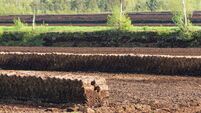
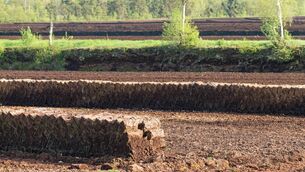
Depending where you or your predecessors are from, bog or peatland refers to quite different landscapes and habitat types. Midland raised bogs are 10 metres or more deep, rising to a dome in the centre as the growing sphagnum moss carries the water table upwards as it grows. Only a tiny proportion of the original raised bogs now remain, as most have been industrially harvested. Fifty-three of the remaining midland raised bogs are legally protected under the Habitats Directive, making restoration is a legal obligation.
In other parts of the country, in particular mountainous regions, ‘out on the bog’ refers to a different habitat altogether — the upland blanket bogs. These have a much thinner layer of peat and are easily eroded once damaged, either through drainage, turf cutting, burning or development of infrastructure such as wind farms. Just to confuse matters further, all across the Atlantic seaboard, blanket bog extends in places right to the coast. Again, urgent conservation action is needed for upland blanket bogs in order to restore their biodiversity value; to curb the greenhouse gas emissions that seep out of them; and to prevent peaty particles from getting in to water supplies where they form carcinogenic compounds once combined with chlorine.
The first step in appreciating these special places is to get out on the bog in summer and see how they are teeming with life. Specialist species include colourful damselflies and dragonflies; some rare butterflies; and a suite of carnivorous plants such as the tentacled sundews and sticky leaved butterwort. Bogs also provide essential breeding habitat for some of Ireland’s most vulnerable birds, such as curlew, lapwing and golden plover.