Alan Titchmarsh: Slugs are never going to be my friends
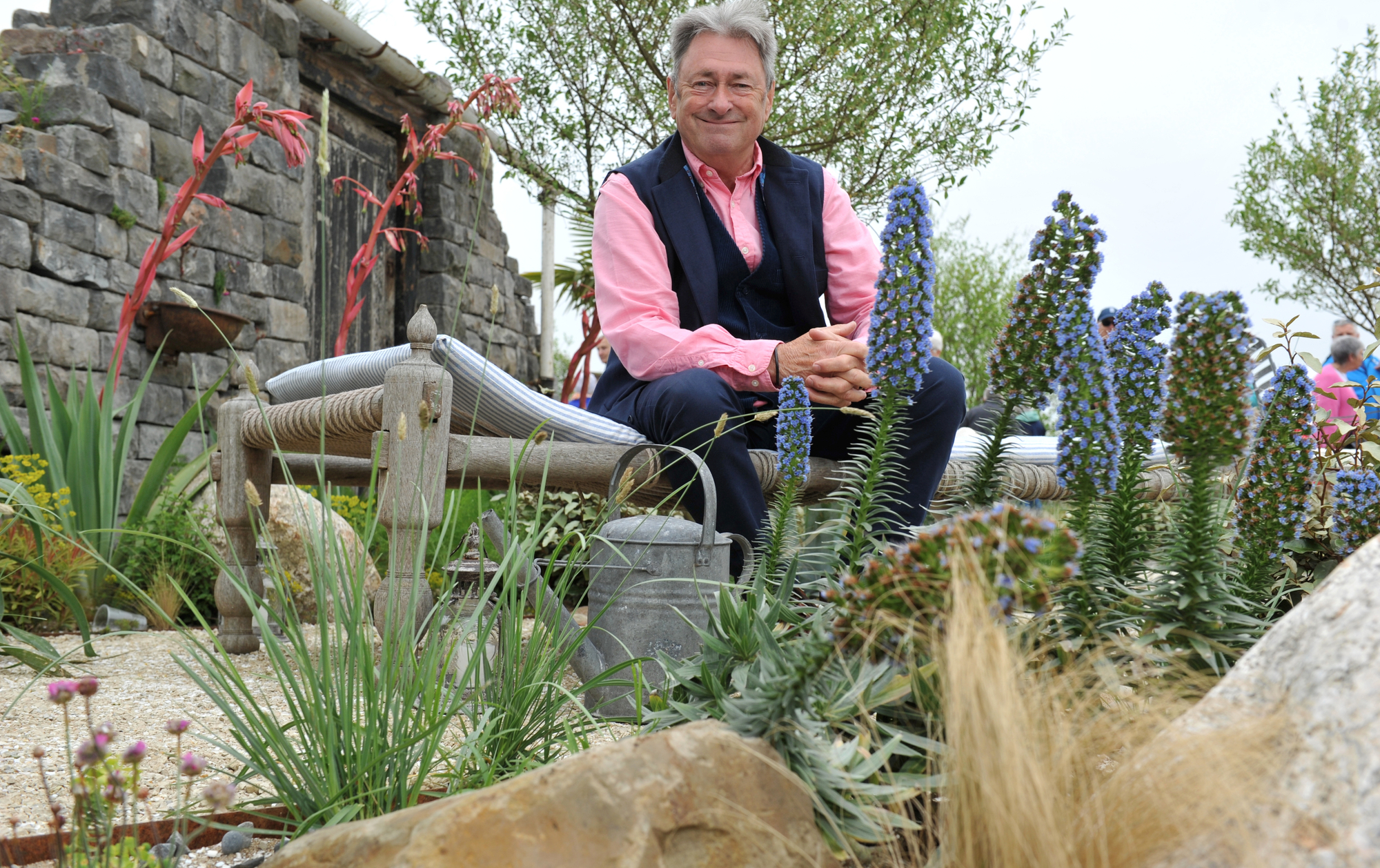
Titchmarsh has been in the biz a long time (RHS Malvern Spring Festival/PA)
As he celebrates 60 years in horticulture, TV gardening guru Alan Titchmarsh realises he has often voiced what might be seen as controversial views on gardening trends.
The broadcaster and author has been critical about rewilding domestic gardens, considers slugs to be pests who shouldnât be allowed to ruin your hostas, and believes people should feel quite happy about growing foreign plants in their own gardens to conserve a larger gene pool for the future of our botanical life.
âItâs people who lay down the law that I find as I get older, more and more infuriating,â he says. âWithout sounding holier than thou, nobody gardens more responsibly than I do. But I have topiary, I have plants cut into shape, so I am interfering.
âBut these topiaries are full of birdsâ nests â the two go hand-in-hand, they are not mutually exclusive. And the great danger is when you start painting things as being black and white you lose the true grey middle ground.â
CLIMATE & SUSTAINABILITY HUB
Gardeners need to be realistic and responsible, says Titchmarsh, 74 (he turns 75 on May 2). He will be taking part in a Gardeners' Question Time Live and a talk about his career at the forthcoming RHS Malvern Spring Festival.
âItâs gardening responsibly and with nature as a helpmate, rather than something youâre fighting all the time. That said, slugs are never going to be my friends, whatever anybody says.â
Two years ago, the RHS reclassified slugs and snails as âgarden visitorsâ rather than âpestsâ to help shed their negative image, and their new campaign with the Wildlife Trusts aims to encourage people to appreciate slugs for their positive impact in the garden.
Titchmarsh, who is a vice president of the RHS, says: âIf youâve got a hosta collection, the last thing you want to do is to make a home for slugs. Youâve got to allow for a little bit of nibbling and you want to be a good cultivator of plants that can shrug off a bit of an attack. But thatâs a far cry from saying, âOh, we love slugs, letâs welcome them into the gardenâ. Iâm sorry, I donât welcome slugs.â
He also says the word âsustainabilityâ is bandied around too often, loves the well-mown stripes in his lawn â heâs not used chemicals in his garden for 40 years â and hopes his opinions wonât lead to him becoming a victim of cancel culture.
âThere was a headline which said, âIâm terrified of being cancelledâ,â the Yorkshireman recalls. âThatâs not the case. Iâm upset that we should live in a culture where people would want to cancel somebody else. Iâm talking about tolerance cutting both ways. We all need to be tolerant of each other.
âAnd just because my opinion isnât the same as your opinion, that doesnât mean to say itâs either less valuable or that I should be stopped from giving my opinion. Iâm very careful with my opinions now because I have a family, and sometimes, the way the world is going, youâve just got to shut up.
âBut there are times when I think itâs important to say what you feel when youâre in a position of influence and itâs not something I ever take for granted or particularly relish, but you do get listened to, so Iâm quite considered in what I say.
âI think long and hard before I express opinions. They are generally heartfelt and not intended to be offensive.â
As garden show season starts, he is mindful of the trends which may follow.
âGarden shows generate trends. They are the Paris catwalks of the horticultural world. You see something there and you think, âThatâs a bit weirdâ, and it gradually filters down and â I hesitate to mention decking â but you get things which have their time and which settle in.â
Some may criticise the many garden makeover shows that have come and gone over the years, but Titchmarsh, who started his gardening career in 1964, says: âWhen people say, âI donât agree with makeover programmesâ, gardening is making-over and working hand in hand in nature to produce something beautiful."
âIt is not backing off and saying âIâm not getting involvedâ, it is handling it carefully, thoughtfully, responsibly and with a view to making something more beautiful. You canât talk about the importance of mental health and then stop gardeners who get great solace and satisfaction out of creating something beautiful by working with nature and adjusting things."
âThe great thing about the last half century in horticulture is the huge amount of plants that we can choose from, with new ones coming along all the time,â he continues. âIt means we are all able to have individual gardens and things that we like.â
He believes the pace of change in gardening has become much more rapid in the last 10 years and is encouraged to see people looking at cultivating their gardens responsibly.
âWeâre led to believe things are going to change over the centuries ahead, so we need to have the widest range of plants available to us to make sure not only that we can beautify our landscapes, but also that those plants will sustain the wildlife which is dependent upon them every bit as much as we are in our own little pattern of islands.â