Anja Murray: Vital invasive mink control for wildlife conservation
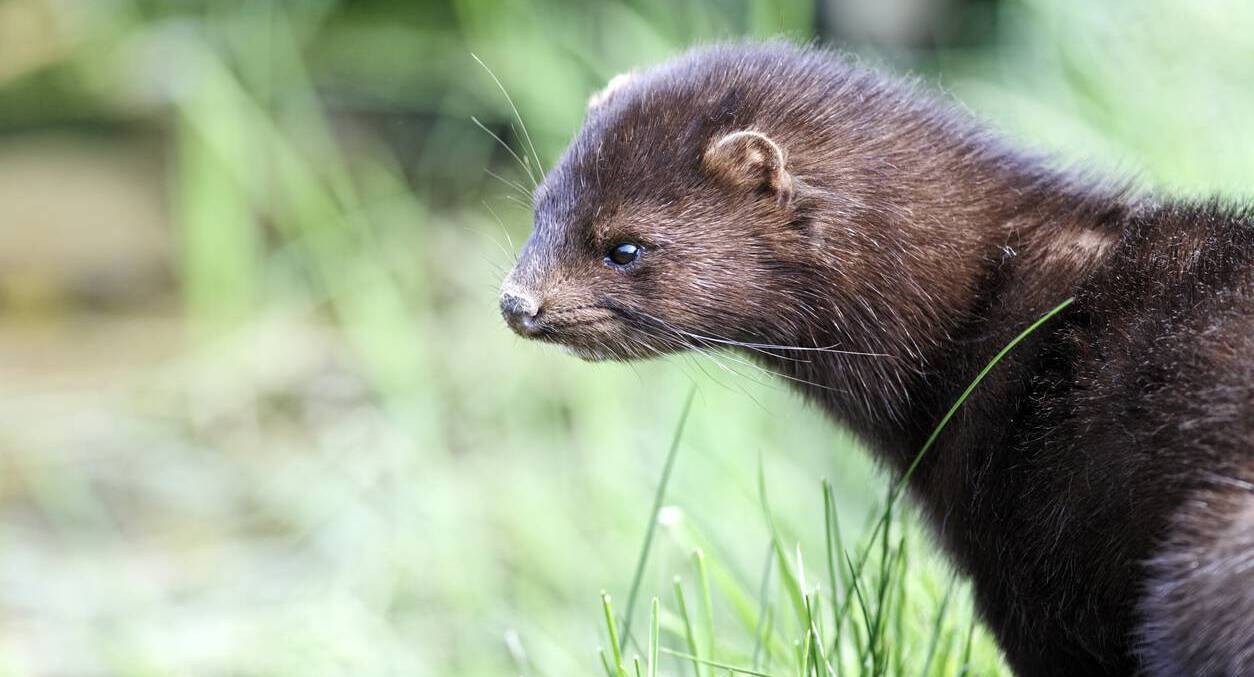
One of the most pernicious predators of birds eggs and young chicks, especially waterbirds, is the invasive American mink
Spring is tip-toeing along this year, with hawthorn leaves beginning to appear, blackthorn blossom brightening the byways, and early morning birdsong reminding us that nesting season is underway. In a few weeks’ time, nests will fill with eggs, some of which will hopefully hatch and survive in to adulthood.
While the population dynamics of each species is different, a stable population generally requires that each nesting pair produces one chick each year that survives to autumn. This may not sound like a lot, though with so many challenges facing nesting and fledgling birds, ensuring at least one chick survives through the summer is a gamble, and the odds are raised by laying half a dozen eggs.
Predators are always on the prowl. Rooks and other corvids can swoop down from above and take eggs or vulnerable juveniles. Mammalian predators include foxes, badgers, otters, pine marten, stoat, hedgehogs, domestic cats, and the feral ferrets, and invasive mink. In healthy, balanced ecosystems, native avian and mammalian predators help maintain healthy populations, with each level of the food chain adjusted to available resources and natural constraints. But when habitats become fragmented, degraded and riddled with invasive species, the balance is all thrown out of kilter.

One of the most pernicious predators of birds eggs and young chicks, especially waterbirds, is the invasive American mink. Back when fur coats were a high-status fashion item, fur farming got underway in Ireland. The first mink farm in Ireland was set up in the 1950s. The first reported escapees were from a fur farm near Omagh in 1961, when 15 animals broke free and managed to establish themselves along the river Stule in County Tyrone. By 1969, mink farms had become big business, with an estimated 125,000 mink in captivity here. Escapees were not uncommon. In the 1970s and 80s, demand dropped and the industry contracted, so that many fur farms went out of business and captive mink were simply released into the wild. Animal activists have played a role too. In one 2010 incident, 5,000 mink were set free from a Donegal mink farm. With concern for the damage that would result to nesting birds, especially rare and vulnerable ground-nesting species, a bounty was set for returns of mink’s distinctive long dark furry tails — and a high proportion of the escapees were dealt with by gun clubs.
In the half century since they have become established in the wild across Ireland, mink have thrived in a variety of habitats. Because they are native to north America, mink have no natural predators here. While they are mostly associated with aquatic habitats, equally at home in water or on land, these adaptable animals seem well able to survive on lowland bogs, upland heath, woodlands, and farmland — anywhere with ample prey. As well as birds’ eggs and chicks, alternative menu items include fish, frogs, and crayfish.
Now, as March progresses, there are grebes, coots, moorhens, tufted ducks, and swans currently claiming breeding territory up and down the country. All along the edges of lakes, rivers, and canals, pairs are gathering up bedding materials to make their nests among reeds and bushes by the water’s edge. These waterbirds are at the top of the mink’s hit list. Kingfishers too, which make their nests in deep burrows in riverbanks, can lose nests and chicks to prying mink.

Aside from water birds, all ground-nesting birds are vulnerable to predation by mink. In open ground, such as machair and low moorland, ground nesting curlew, lapwing, redshank, and skylark are pairing up. Impressive aerial displays and distinctive mating calls are being deployed, in the hope of a successful breeding season. Each of these species is red-listed on the birds of conservation concern, their population and range shrinking at an alarming rate. The multiple challenges to their ability to survive in a changing landscape include land drainage, afforestation, habitat fragmentation, and predation by foxes and crows, whose numbers go unchallenged with the dearth of top predators here. Mink are an additional danger to these precarious breeding populations.
Seabirds, too, are especially vulnerable to mink. In the Scottish islands of the Hebrides, 17 years of mink eradication has resulted in the recovery of vulnerable seabirds such as nesting terns, lapwings and red-throated divers. Sustained action is needed here to keep seabird colonies safe from mink.
While invasive American mink pose such problems to wildlife here, another mink species, the European mink, is the most endangered small carnivore in Europe. Native across continental Europe, the European mink is now only holding on in a small number of isolated patches in northern Spain, western France, Romania, Ukraine, and Russia. Also semi-aquatic, European mink live along slow-moving rivers, streams and marshes, using dense vegetation for shelter and protection from predators such as foxes and dogs. Historically widespread throughout Europe, though never present in Britain or Ireland, populations are suffering from loss and degradation of habitat, overly intensive hunting and competition from invasive American mink.
Here in Ireland, invasive American mink are more prevalent in the east than the west, posing a huge risk that they will continue to expand, becoming more populous in the west. If this is allowed to happen, they will add even more pressure to habitats where ground-nesting breeding waders and seabird colonies are already in jeopardy. Ireland has ethical and legal obligations to protect such species from threats, including by controlling or eradicating the danger posed by invasive mink.
Currently, control of mink and other predators takes place in protected areas such as the Wexford Wildfowl Reserve, the Shannon Callows, Inch Wildfowl Reserve in County Donegal, and key breeding wader sites in Connemara and North Mayo. But if there is to be any success in protecting ground nesting birds from extinction here, landscape-scale mink management will be necessary. Once sites are cleared, mink from afar can recolonise quickly, making continuous vigilance necessary.
Among the many actions and approaches needed to protect and restore birds on the brink of extinction here, managing mink and other invasive species is a key component of the efforts required.