Richard Collins: Fakes, hoaxes... and weird and wonderful reality
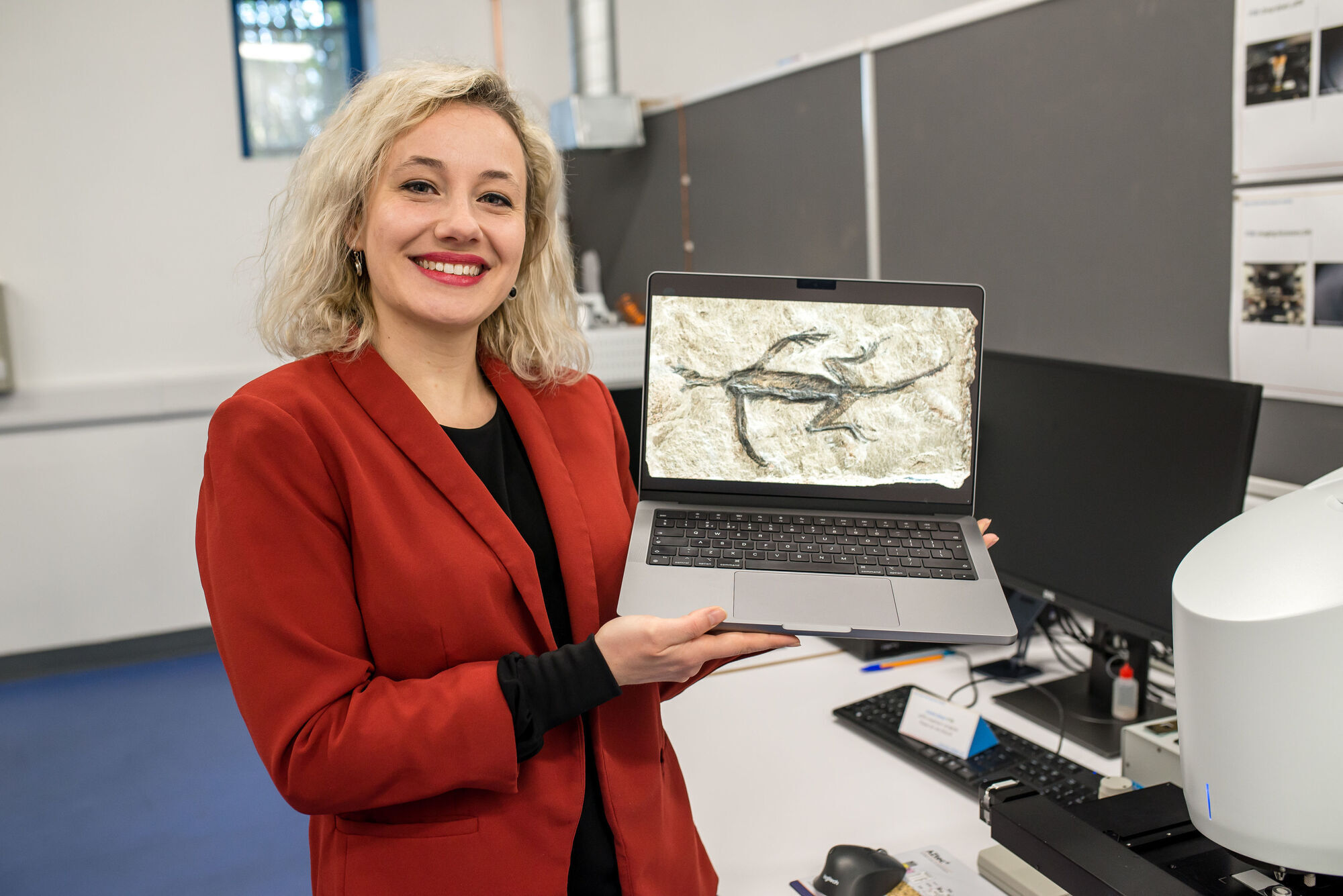
Dr Valentina Rossi with an image of Tridentinosaurus antiquus as the 280-million-year-old reptile fossil that has puzzled researchers for decades is mostly fake, scientists have concluded. An analysis of the remnants of the creature, dubbed Tridentinosaurus antiquus, has revealed the material that was thought to be well-preserved, ancient soft tissue is, in fact, just black paint. Picture: Zixiao Yang/University College Cork/PA Wire
Let us hope that it is not true, but if it is, that it won’t become widely known — the wife of the Bishop of London on Darwinian evolution
To claim that humans are descended from ape-like creatures was heresy. Palaeontologists, it was thought, hadn’t found, nor would they ever find, the so-called ‘missing link’.
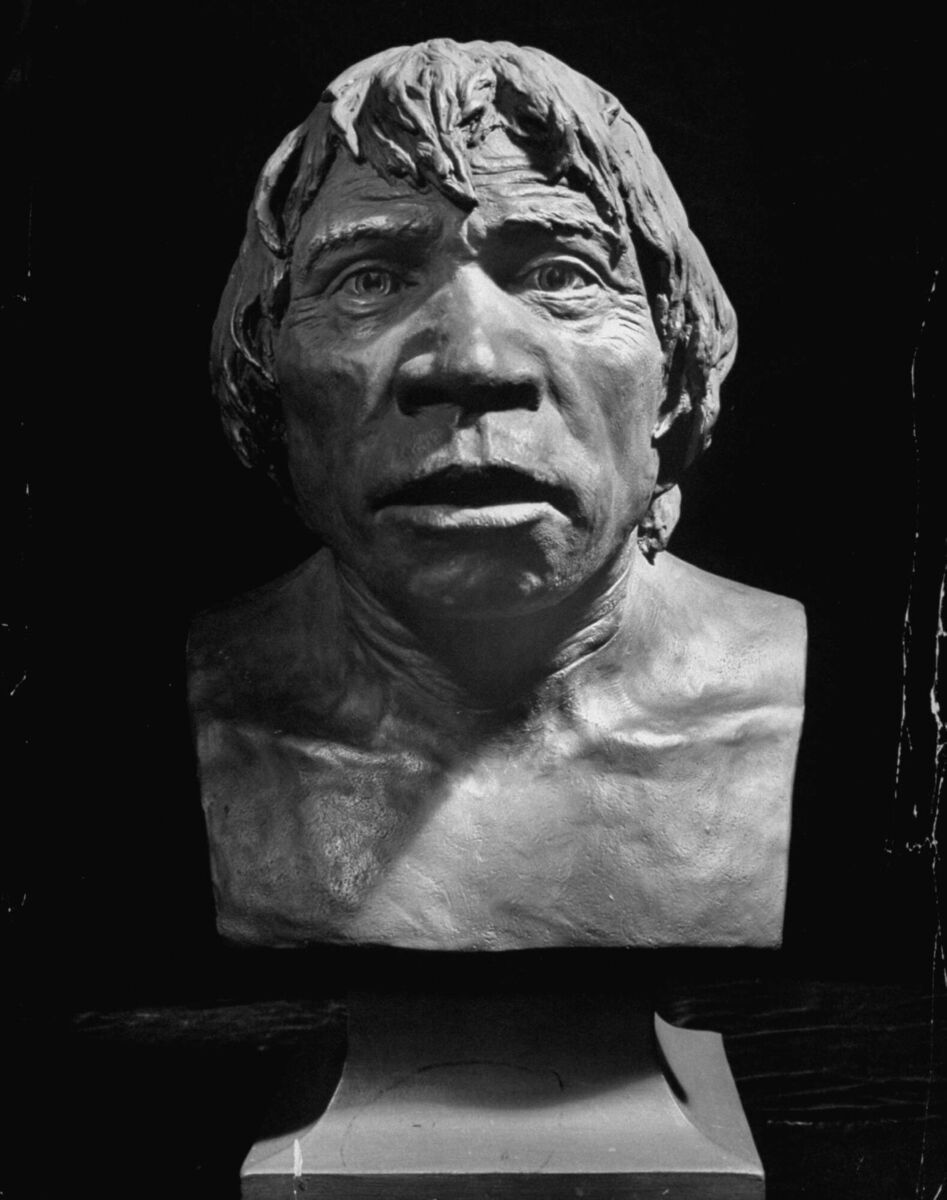
Then, in 1908, amateur antiquarian Charles Dawson claimed to have unearthed a candidate fossil cranium at a gravel-pit near Piltdown in Sussex. Further excavations, by him and Arthur Smith Woodward of the British Museum, produced an ape-like jawbone and crude tools. The specimens, thought to be the 500,000-year-old remains of a primitive hominid, were presented at a meeting of the Geological Society of London. The fossilised creature was named Eoanthropus dawsoni , ‘Dawson’s dawn-man’.
The find attracted the great and the good. Teilhard de Chardin, the future palaeontologist-philosopher, took part in a dig. But not everyone accepted that the ‘missing link’ had been found. There were rumblings of discontent; Dawson would not release his specimens; researchers had to work from plaster copies.
Even Sherlock Holmes would not have smelled a rat. Arthur Conan Doyle loved hoaxes; John Hathaway Wilson, who once taught at Trinity College Dublin, thought Doyle was behind the Piltdown fraud. It was not until 1935 that Dawson, by then deceased, was exposed as the conman.
History repeats itself. The fossil of one Europe’s oldest reptiles has been outed as a partial forgery by a team led by Valentina Rossi of University College Cork. Fossilised remains of the lizard-like creature had been found in the Italian Alps in 1931. They seemed to be in good condition. Most importantly, they appeared to have fossilized soft tissue.
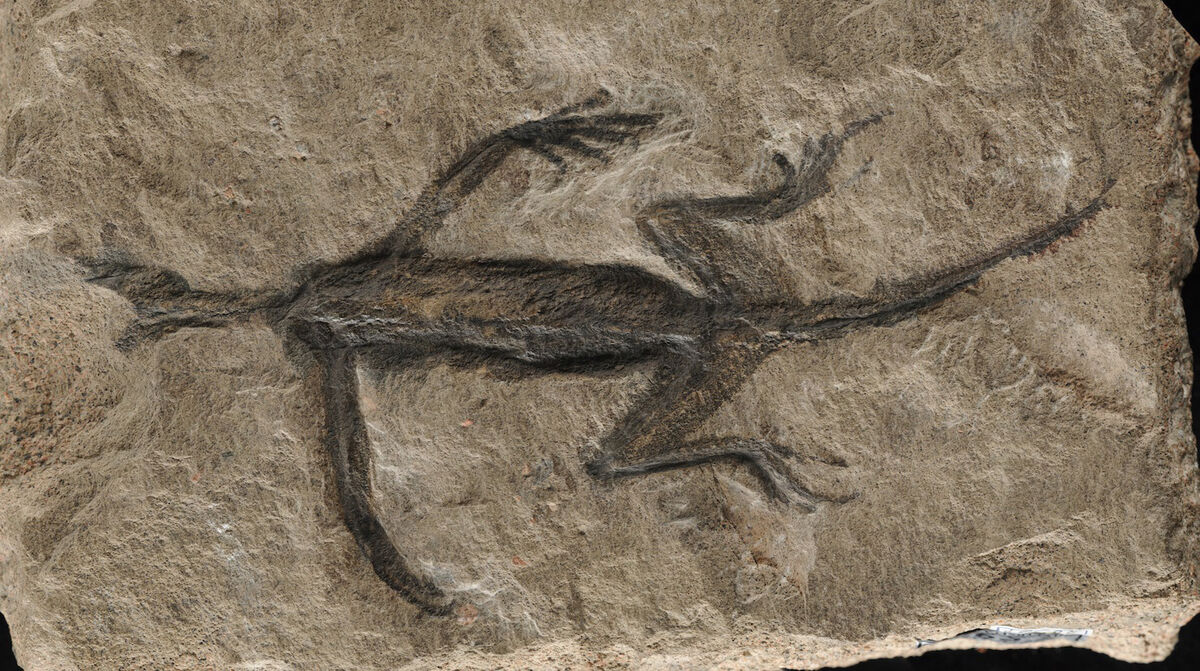
"Fossil soft tissues are rare" Dr Rossi says, "but they can reveal important biological information", so her team examined what might be soft tissues from the specimen. The analysis did indeed reveal information but forensic rather than biological.
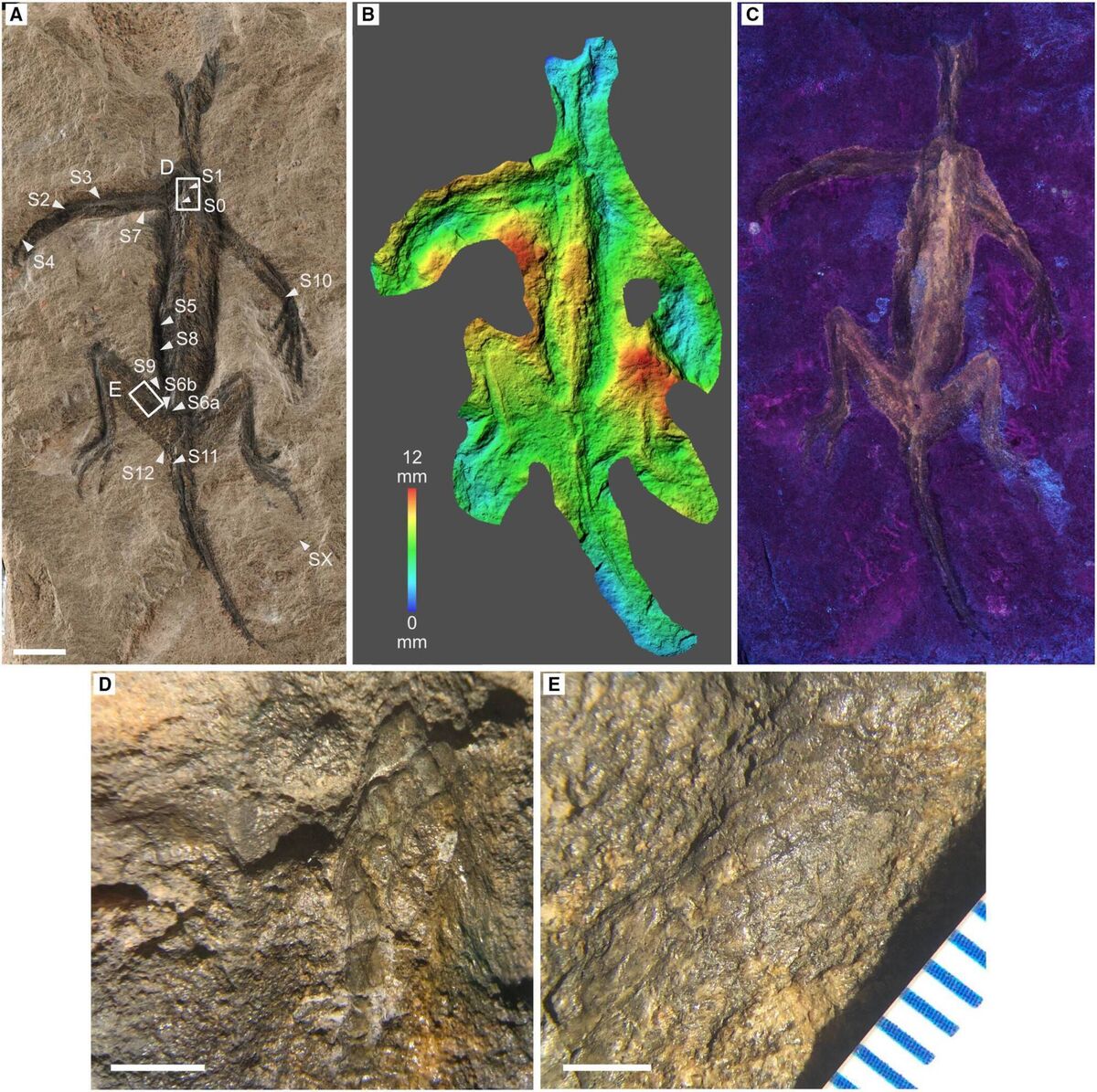
UV photography showed that the specimen ‘had been artificially treated with some sort of coating material, likely to enhance the appearance of the fossil’. But, unlike the Piltdown case, the fossil isn’t a complete fake. There is a genuine specimen underneath the coating.
But few of Science’s most famous errors were perpetrated by chancers such as Dawson. Astronomer Percival Lowell became obsessed with Schiapareilli’s claim that Mars had canals. Lowell thought that they conveyed water from the poles to irrigate crops. Soon he was dining out on ‘Martian civilisation’. It is thought that scratches on the lens of his telescope had misled him. Were Gregor Mendel’s experiments on peas ‘doctored’ by gardeners who knew the results the Father of Genetics hoped for?
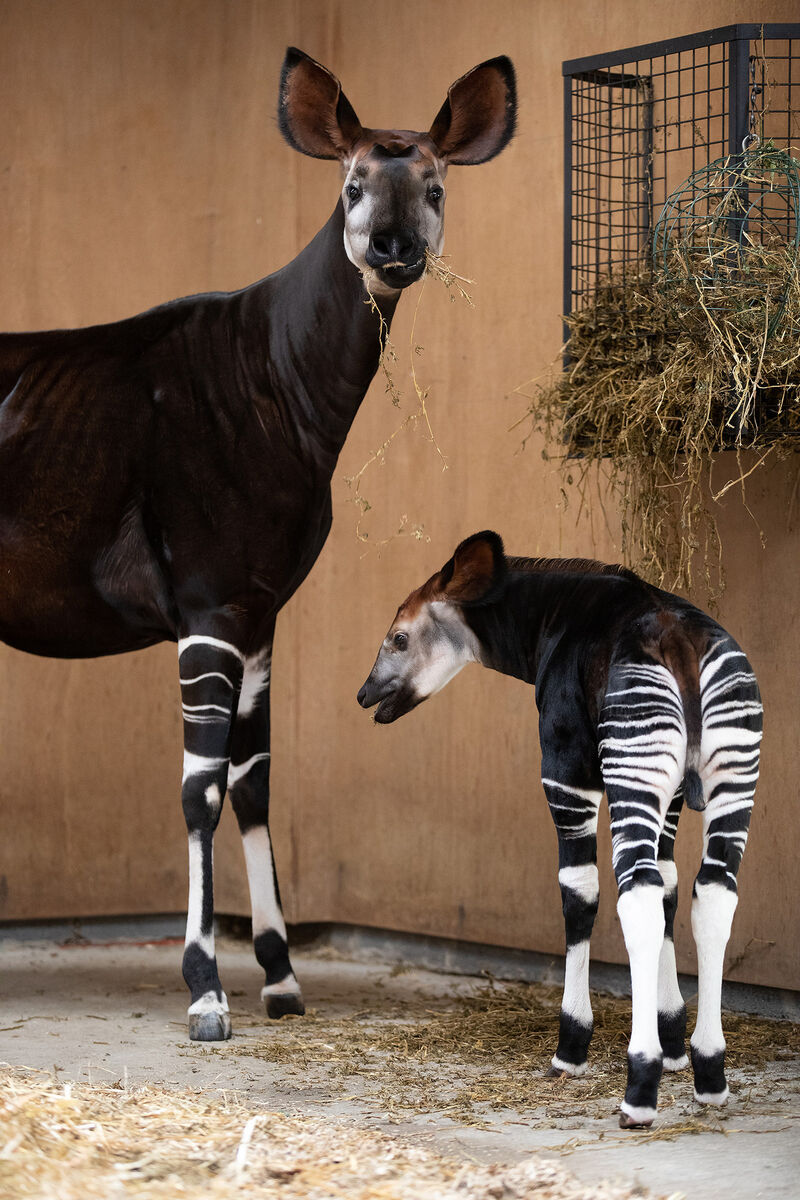
But, occasionally, fakes turn out to be true. Claims by local people in the Congo that a large hoofed creature, half zebra half giraffe, inhabited the rainforest were dismissed by scientists, as abominable snowman-type nonsense. Then in 1887, Stanley’s expedition, searching for Livingston, found mysterious footprints. But it was not until 1901, that the okapi became the last large African animal to be scientifically described. You can see okapis, now, in Dublin Zoo.
CONNECT WITH US TODAY



Be the first to know the latest news and updates