Shark and stingray facts... and surprises
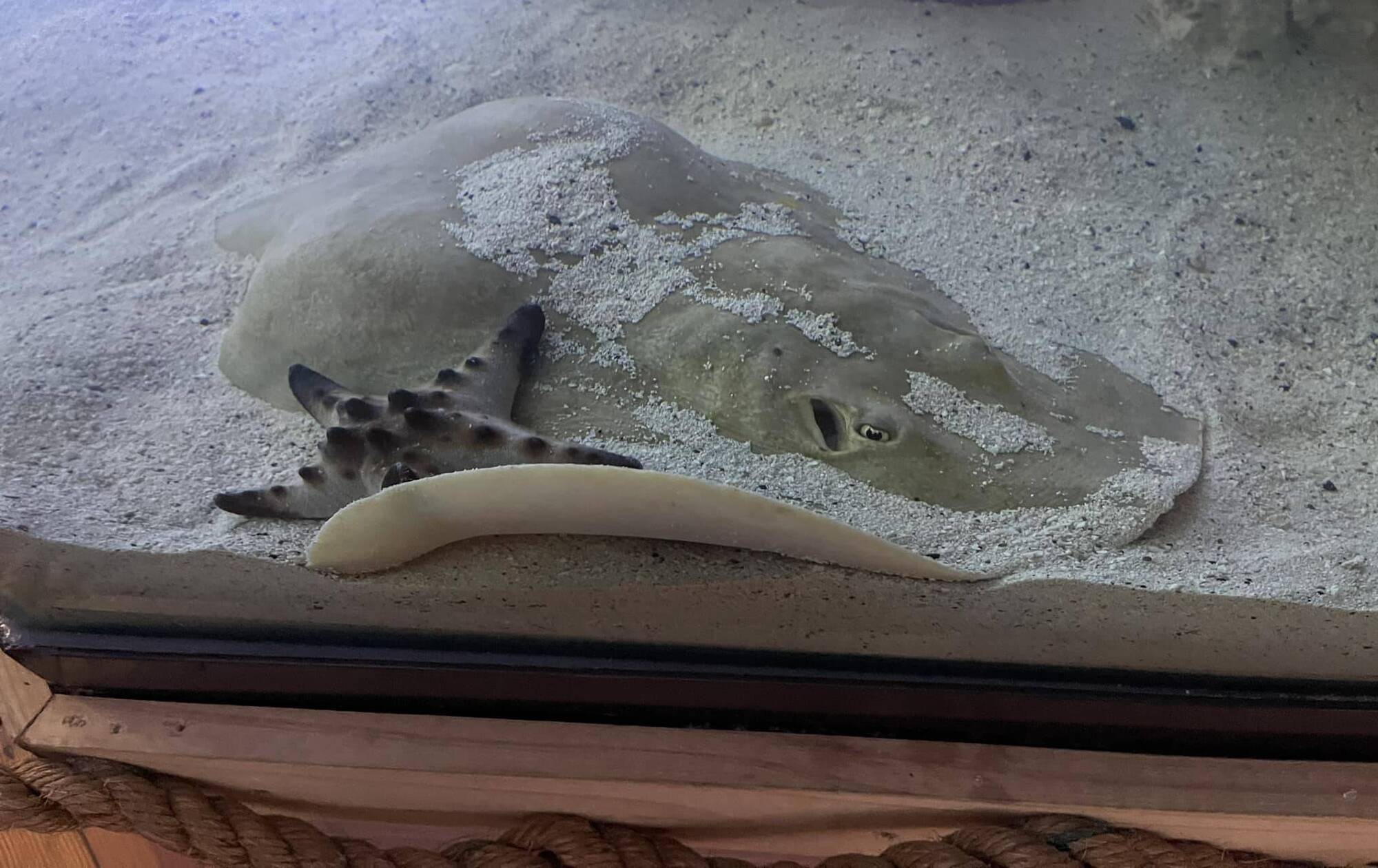
A female stingray called Charlotte in a North Carolina aquarium is pregnant — even though there are no males in her tank Picture: Aquarium & Shark Lab by Team ECCO
Now the Lord had prepared a great fish to swallow up Jonah
Recent media reports claim that sharks are becoming more bolshie — attacks on people are said to have increased significantly in 2023. Really?
The University of Florida investigates reports of attacks worldwide and publishes its findings in the International Shark File. Only "incidents in which a bite on a live human occurs, with no human provocation, are included in the data" say the curators. Injuries to divers antagonising sharks, and fishermen bitten when handling them, are excluded.
Sixty-nine unprovoked attacks were recorded worldwide last year — slightly more than the average of 63 logged annually over the last five years. Fatalities due to shark encounters rose from five in 2022 to ten in 2023. However, "this is within the range of the normal number of bites, though the fatalities are a bit unnerving this year", said Florida Program for Shark Research director Gavin Naylor.
The risk of being bitten by a shark remains extremely low according to the experts. These apex predators don’t regard us as juicy food items. If they did, sharks would stalk swimmers and surfers as prey, but, in fact, they tend to give humans a wide berth. A shark’s ‘hands’ are its teeth — it examines objects with them. A surfer in a dark wetsuit can resemble a seal, food for a large shark. On seizing a person, the predator may recognise its mistake and release the victim. It is not surprising, therefore, that there are many more non-fatal encounters than lethal ones. This behaviour might explain the Jonah myth. Did the ‘great fish’ seize the recalcitrant prophet and then release him, biblical writers extending the few seconds of the brief shark encounter to a miraculous three days? "And the lord spake unto the fish and he vomited out Jonah upon the land".
It has also been alleged that sharks have indulged in ‘unnatural practices’. Charlotte, a stingray at the Aquarium & Shark Lab in Hendersonville, North Caroline, is pregnant. Ultrasound has revealed four unborn pups. But this is no ordinary pregnancy... Charlotte has not encountered another stingray in eight years. She has, however, shared her tank with sharks. Could an amorous encounter with one of them have led to the pregnancy, as some sensationalist media organs are suggesting?
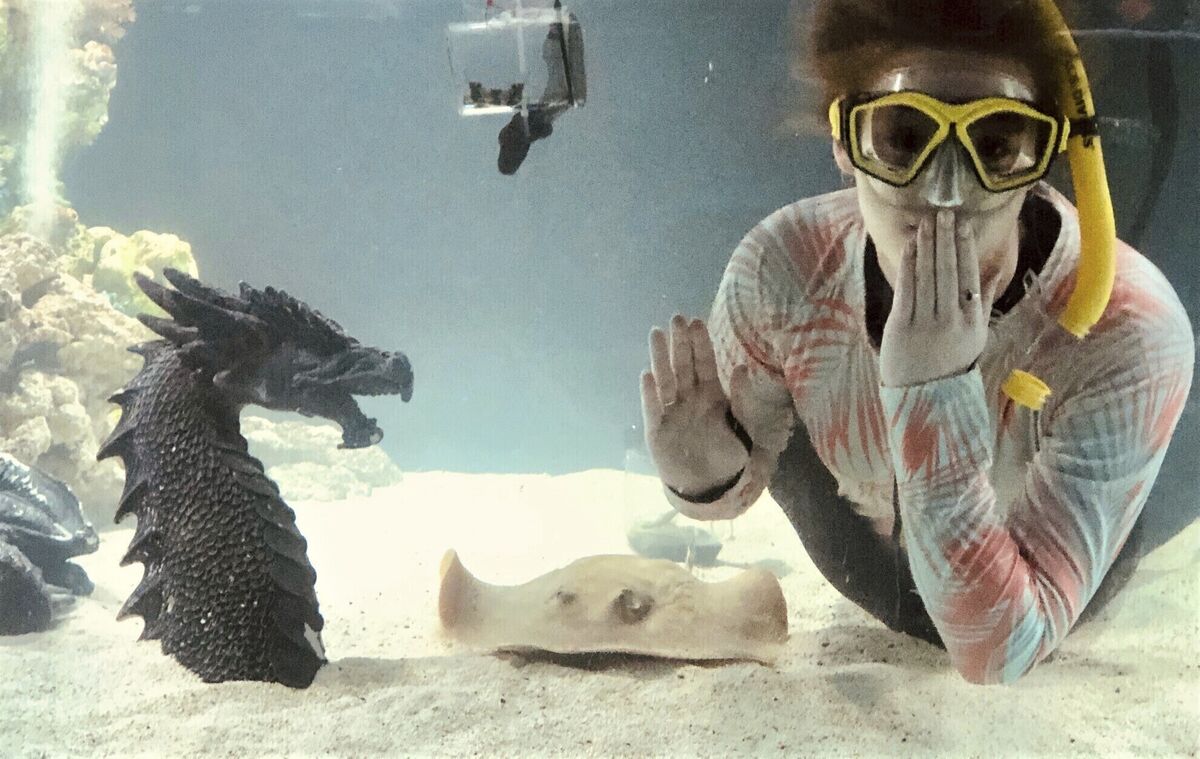
Experts dismiss the possibility: although sharks and rays are related, the two taxa are far too dissimilar genetically for pregnancy to occur. This, they say, is a case of ‘parthenogenesis’.
The term comes from the Greek meaning ‘virgin creation’ — an egg develops into an embryo without being fertilised by a sperm. Parthenogenesis is widespread among invertebrates. Male honey bees, for example, have no fathers. It also occurs naturally in some fish, amphibian, and reptile species, but not among mammals such as humans. Our females lack the Y chromosome, which encodes for maleness, and so a human virgin birth can’t produce male offspring.
Charlotte has taken it easy the last couple of days. She is eating well and swimming without issue
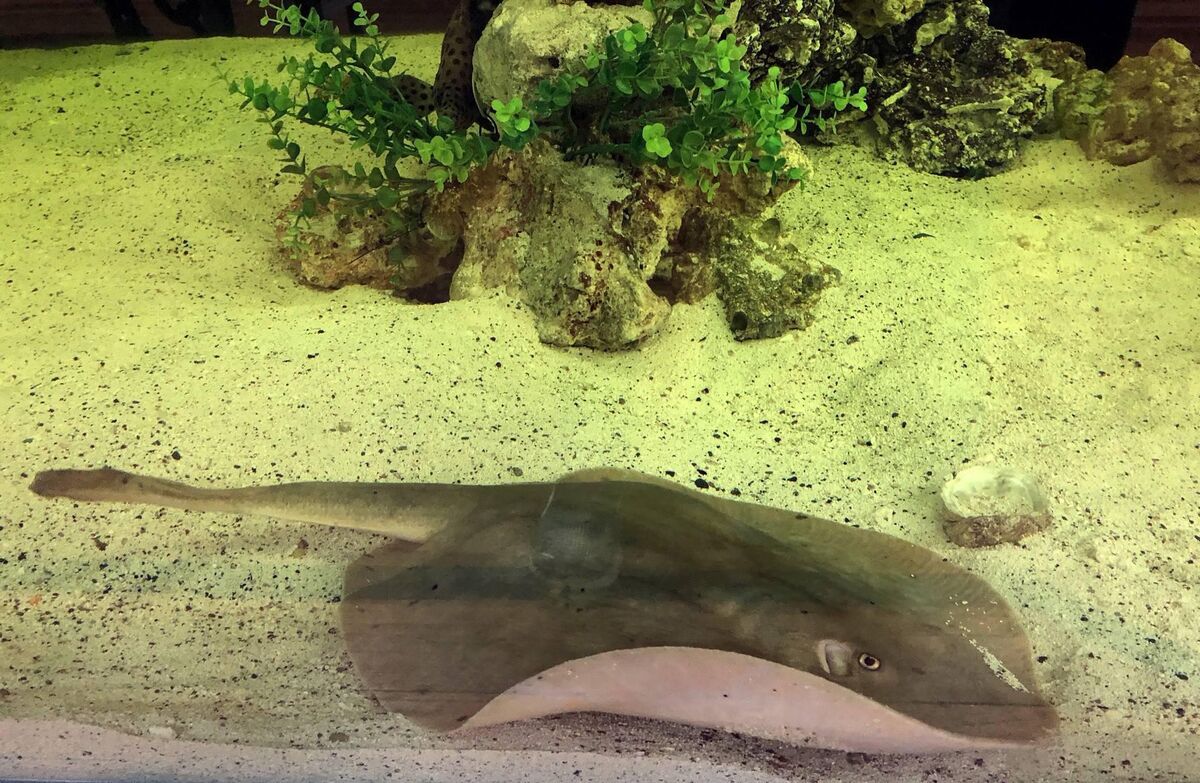
Komodo dragon females, however, have both male and female chromosomes. Living on isolated islands, a female might never encounter a male. But not to worry; she can produce both male and female offspring through parthenogenesis. Her sons can then breed with her and with any sisters she produces, initiating a new dynasty.


CONNECT WITH US TODAY



Be the first to know the latest news and updates