Anja Murray: Hen harriers will be extinct here in the next 25 years if we don't change things now
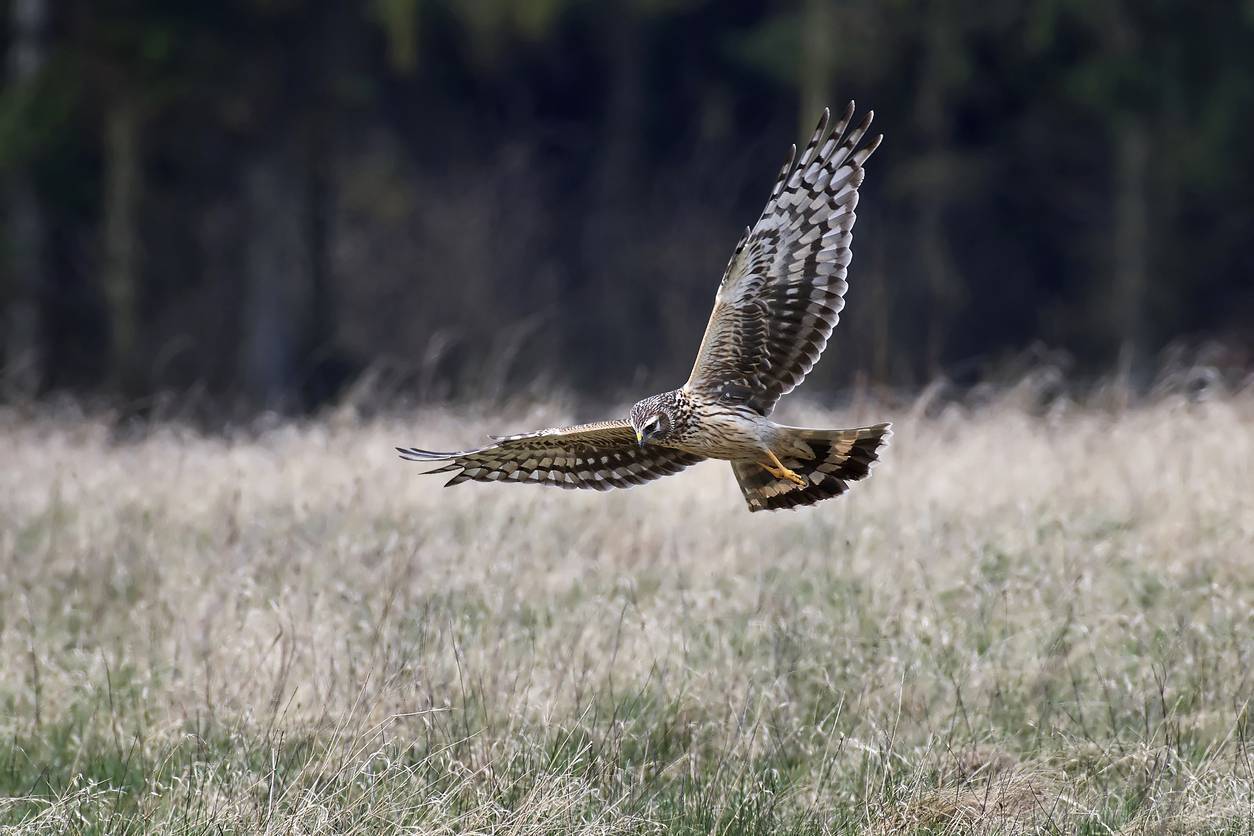
Hen harrier looking for food in its natural habitat
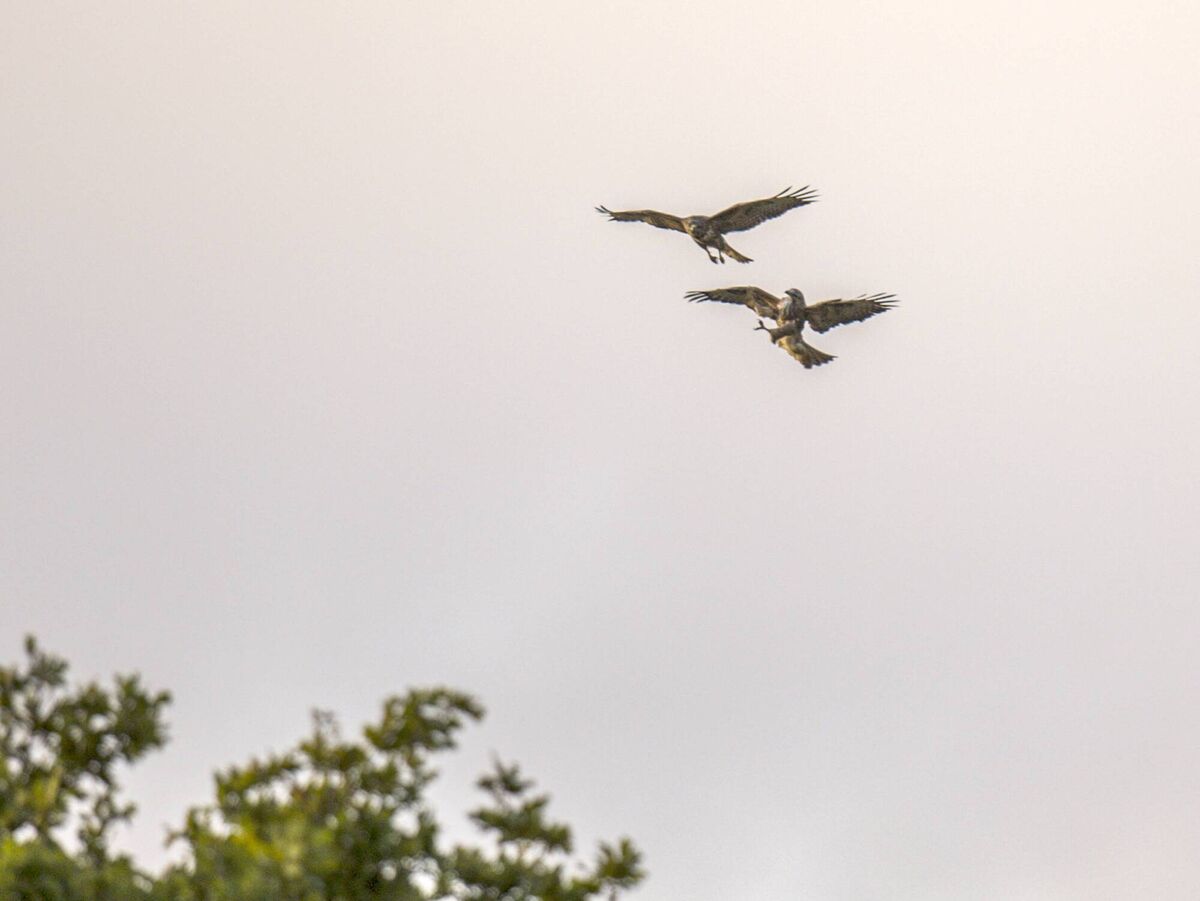
The courtship dance of the hen harrier is pure display. The male flies high over open ground in the uplands before plummeting almost to the ground in a series of somersaults, corkscrews, and twists, showing off his stamina and agility. Another aspect of hen harriers’ courtship rituals is the sharing of food. Males hover high in the air, dangling a freshly-caught vole above an intended female to catch her attention. He then drops the food, and in response, the female flips over, now upside down, and catches the vole in her talons, mid-flight. The exchange offers proof of his ability to catch food, that he is generous, and is also an act of bonding between prospecting pairs.
These sky-dances are one of the most spectacular happenings in the uplands of Ireland during March and April. But now the hen harrier is no longer a common sight here, with unenviable status as one of Ireland’s rarest and most vulnerable birds of prey. It is even more threatened than corncrakes and curlews. A plan currently being prepared by the Government will decide the fate of these spectacular high fliers across their traditional nesting and foraging grounds. Many have been raising concerns that the plan does not contain the measures needed to prevent hen harriers from extinction in Ireland.
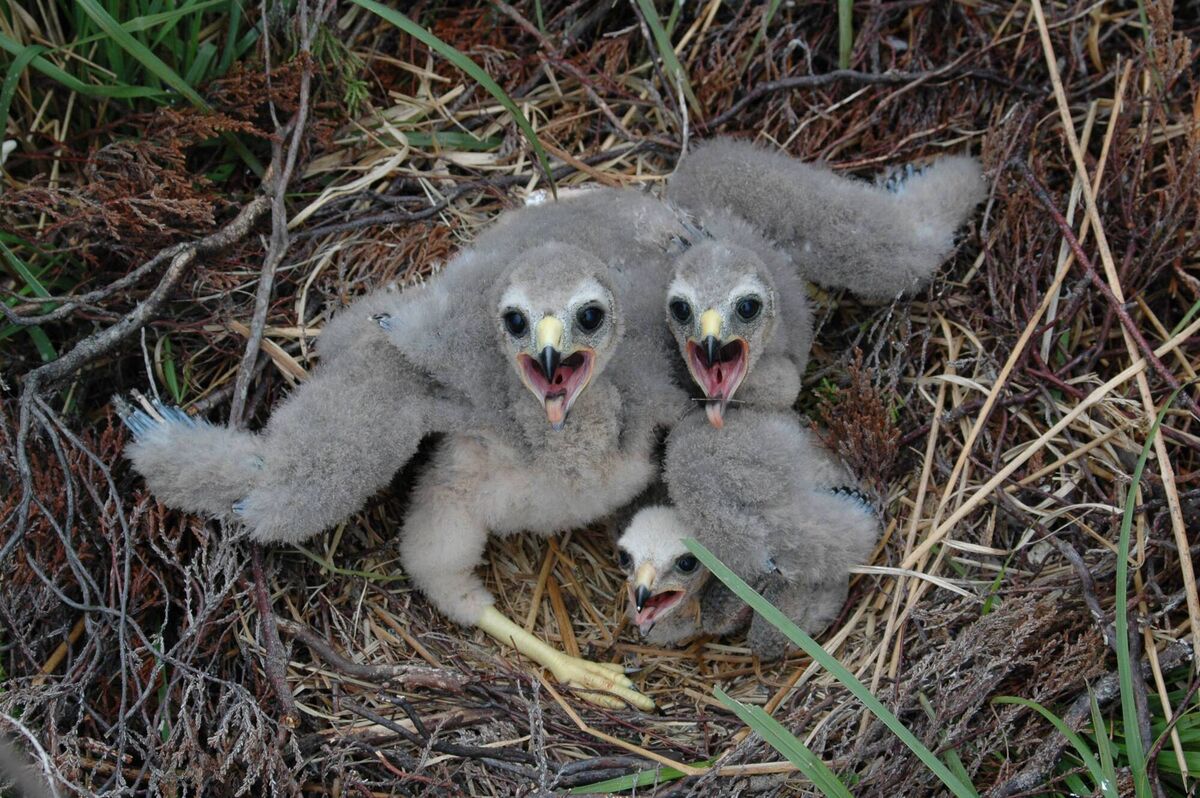
These majestic birds of prey breed and forage in farmland pastures and heathlands, dependent on open ground for nesting and rushy fields, bushy hedgerows, and scrub for foraging. Over the past 50 years, dramatic changes have taken place across the uplands. Hedgerows have been removed to increase field size; scrubby woodland patches cleared; and open boggy ground drained — all contributing to the loss of foraging and breeding places for hen harriers, alongside kestrels and merlins, also suffering alarming declines. These apex predators are sentinels for the health of the natural environment.
In the 1800s, written accounts state that hen harriers were distributed all over Ireland and ‘often seen’. Breeding strongholds spanned the hills of Connemara, Kerry, Wicklow, and the Tipperary/Waterford border, as well as in the hills of Derry and Antrim in the north. Early declines had been noted by the turn of the 20th century, a result of widespread persecution of birds of prey in general at this time, combined with ‘land reclamation’ by the Commissioners of Public Works throughout the 19th century.
The 1950s and 60s saw widespread planting of conifers across the uplands. Land was fenced off and vegetation between the sapling trees grew tall, allowing bank voles to thrive, so young plantations initially offered better foraging opportunities for hen harriers than tightly sheep-shorn pasture. The cessation of burning in planted areas also gave breeding harriers a chance to successfully rear a brood of chicks.
However, as all these newly planted forests began to mature, and their canopies closed over, hen harriers were once again excluded. Dramatic and widespread land use change also occurred between 1950 and 1980 with the drainage of almost a quarter of a million hectares of land through arterial drainage and almost 1.2 million hectares by field drainage, destroying habitats of hen harriers alongside many species of farmland bird.
By the early 1980s, the breeding population of hen harriers was estimated to be as low as 70 pairs, spread between the Slieve Bloom Mountains in Laois; the uplands around the Tipperary/Waterford border; and the mountains on the Cork/Kerry border. Six sites were designated under the Birds Directive as Special Protection Areas (SPAs) for the species since 2007.
Act Now: https://t.co/PO0Ox9QU7o
— Irish Wildlife Trust (@Irishwildlife) February 19, 2024
Submit your response to the Hen Harrier Threat Response Plan. We ask you include the 3 key asks from BirdWatch Ireland and Environmental Pillar. Find more details in the link provided. pic.twitter.com/f6dfqjYeRr
However, the designations were met with venomous backlash and major resistance from farming organisations, private forestry groups, and some politicians. Hen harriers were shot dead as part of a vociferous anti–conservation campaign.
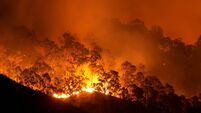
Since then, special farm-support schemes, specifically hen harrier and curlew European Innovation Partnership projects, involving nearly 1,600 farmers across six SPAs, have made progress in protecting the foraging and breeding habitat for hen harriers, though these schemes have also been hampered by ongoing negative perceptions of hen harriers and by out-of-control burning in the uplands. In 2021 and 2022, for example, upland fires were started beside breeding habitat where farm conservation measures were being supported by agri-environment funding. Nests were burnt including eggs and chicks — and about a third of the birds at one site were lost as a result.
Added to the challenges of forestry, persecution, land drainage, and negative perception of the hen harriers, there are issues also with wind farms in upland areas impinging on their breeding success.
Failure to address these pressures has resulted in ongoing losses of hen harriers here. Since 2015 alone, the hen harrier population in the Republic of Ireland has declined by a third and their breeding range has contracted by a quarter. More than half of the land in the six hen harrier SPAs is now afforested. Unsurprisingly, only about 100 breeding pairs are left. With current trajectory, hen harriers will be extinct in Ireland in the next 25 years.
The Government has just run a public consultation on a draft ‘Hen Harrier Threat Response Plan’ — a plan that potentially holds the key to their recovery. Leading conservation organisations, BirdWatch Ireland and An Taisce, however, have called the current draft plan insufficient to “press pause on the losses of the hen harrier, not to mind restoring its population”. Key to their concern is the absence of effective measures in the plan to eliminate or prevent known threats, including afforestation. They are also calling for long-term support for farmers through well-funded results-based schemes, as a major factor in the health of hen harrier populations lies in the continuation of traditional upland farming practices.
In the 21st century, when values of the public are surging toward a collective desire to restore the balance of nature and help threatened species recover from recent losses, effective strategic threat responses are needed. The choice now is to allow hen harrier populations to keep dwindling toward extinction; or protect and restore hen harrier breeding and foraging habitat across all nationally important sites, with clear restoration targets and timelines.
CONNECT WITH US TODAY



Be the first to know the latest news and updates