Managing the environmental impact of festivals
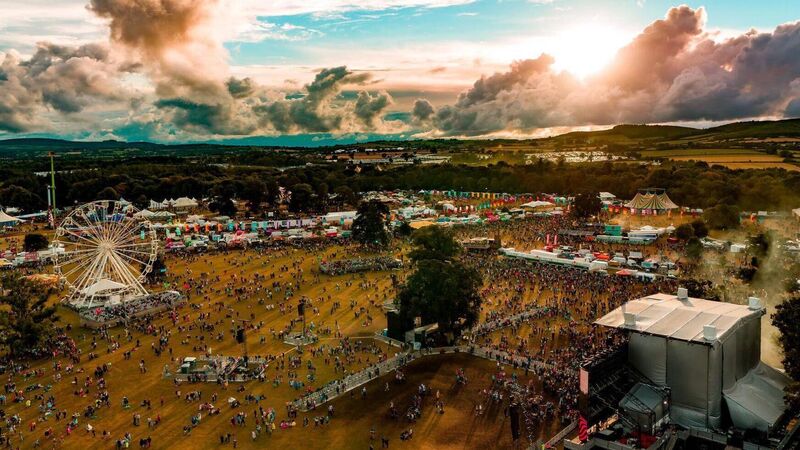
Electric Picnic’s environmental impact is assessed annually by Julie’s Bicycle, a not-for-profit organisation working on sustainability within the creative industries. Electric Picnic takes place from September 1-3 2023, Stradbally Hall, Co. Laois pictures: facebook.com/Electricpicnic
On a balmy July weekend, a sea of purple and blue tents stretched across a field in Belgium, providing temporary shelter for nearly 4,000 music lovers from all over the globe. Recycled from abandoned camp gear, the colorful patchwork was part of a push by Tomorrowland, one of Europe’s biggest festivals, to scale back its carbon footprint.
“It’s not only about reducing the huge carbon footprint all at once,” said Lori Maes, a coordinator at Belgium-based Camp2Camp, which provided tents and rented out secondhand sleeping bags, air mattresses and chairs to festival goers. “It’s about making efforts that, combined together, can make a difference.”


CONNECT WITH US TODAY



Be the first to know the latest news and updates




![<p> The International Union for the Conservation of Nature says that “an ecosystem is collapsed when it is virtually certain that its defining biotic [living] or abiotic [non-living] features are lost from all occurrences, and the characteristic native biota are no longer sustained”.</p>](/cms_media/module_img/9930/4965053_12_augmentedSearch_iStock-1405109268.jpg "<p> The International Union for the Conservation of Nature says that “an ecosystem is collapsed when it is virtually certain that its defining biotic [living] or abiotic [non-living] features are lost from all occurrences, and the characteristic native biota are no longer sustained”.</p>")
