Gardening with wildlife in mind: Bringing nature back to our gardens
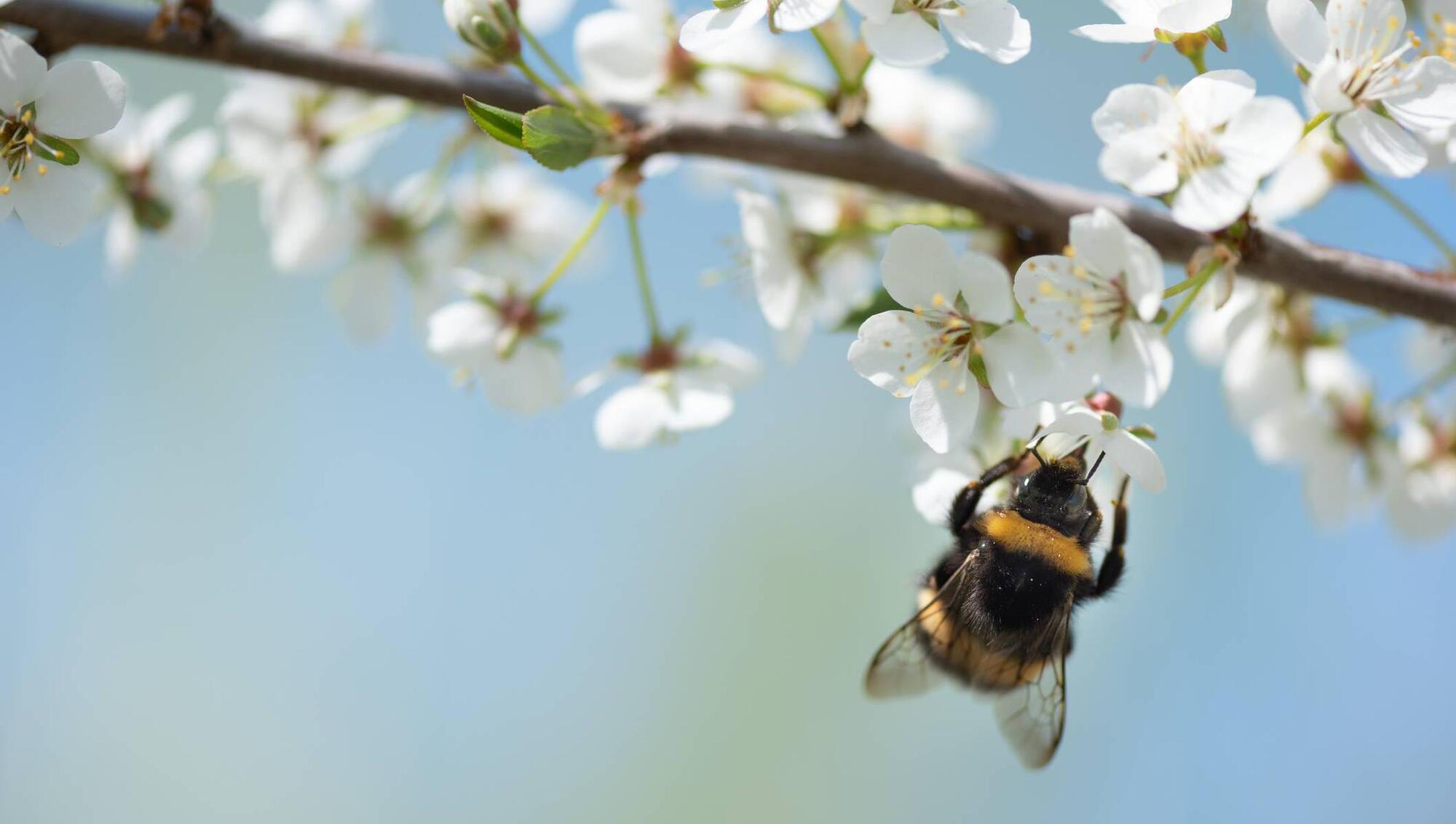
Gardening with wildlife in mind helps us to connect with nature, like observing bumblebees and butterflies at close quarters. Picture: iStock
‘Wild gardens are puritanical nonsense’ declared British celebrity gardeners Monty Don and Alan Titmarch last week.
I have long been influenced by Monty Don’s approach to gardening. His ethos of subtle colour combinations and harmonious blending of naturalistic planting with clear symmetrical design holds huge appeal for me. He has always been forthright in his view that garden design should be primarily about aesthetics, and that a garden is a human construct rather than a ‘wild’ space.
But these perspectives are still fully compatible with gardening with wildlife in mind. Monty Don himself has been a strong advocate for the positive role that gardens can play in providing space for wildlife. His understated commitment to organic methods is also influential, encouraging his readers to stay away from slug pellets, weedkillers and to avoid using peat-based products in their gardens too.
It is true to say that a domestic garden is by no means a ‘wild’ space. Gardens are enclosed, planned, and controlled spaces where we intentionally curate which plants grow where and in what combination. We decide upon lawns or patios, vegetable beds or flower borders, elements that often reflect the personalities and needs of householders, from play areas and trampolines to serene terraces or tall beds of dahlias or roses.
Trends in garden style also change over time and place. Formal gardens are symmetrical and neat, with mown lawns and carefully clipped box hedging. Contemporary styles are designed to balance shape, colour and texture. Cottage gardens are nostalgic and charming, with generous jumbles of colourful flowers. For many people, creating spaces of refuge and comfort is a priority.
But much like fashion and food, trends change over time and often reflect shifting societal values. The most relevant context these days in how many of us manage our gardens is the biodiversity crisis that we are in. One-third of native bee species are threatened with extinction. Over half of wild birds here are amber or red listed as ‘birds of conservation concern’. Half of Irish rivers are polluted.
Gardening for wildlife is not going to solve the many challenges facing ecosystems, though it can offer much-needed lifelines for lots of wild species, from ladybirds, butterflies and grasshoppers to swifts, swallows and house martins. That so many people are now giving greater consideration to this crucial context is welcome progress in the development of our common cultural values.
As well as giving space for wild species, gardening with wildlife in mind helps us to connect with nature; observing bumblebees and butterflies at close quarters or watching in wonder as wild orchids begin to appear in a lawn now managed as a long meadow. Gardens give us opportunities to heal our deeply damaged relationship with the natural world.
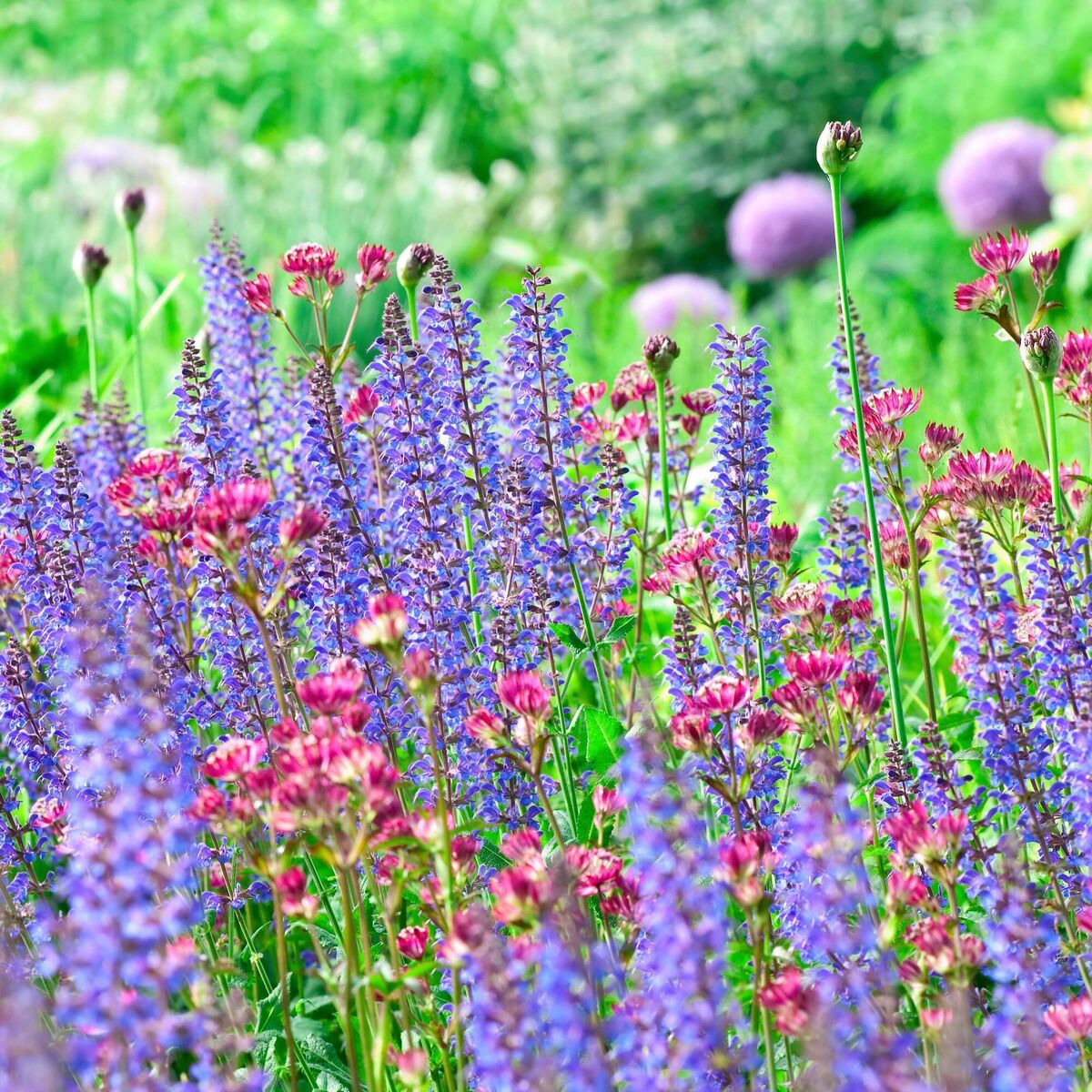
Mown lawns are a prime example. Manicured green lawns are botanical deserts, managed with blades and herbicides to stamp out any suggestion of diversity, barren wastelands for nectar-seeking pollinators. By contrast, allowing a lawn to develop into a long meadow gives space for wildflowers in among the grassy sward, which in turn provides sustenance for wild bees, butterflies, hoverflies, moths and many others, each part of a rich web of life and the staple source of wild food for the birds who fill the skies above with colour and song. I am delighted now on sunny afternoons to listen to the sounds of grasshoppers coming from long meadow at the end of the garden. I love to look at the colourful shimmering shield bugs and bright red soldier beetles who adorn the gorgeous tall umbels of self-seeded hogweed. Swifts and swallows screech energetically as they scoop up small flying insects overhead, lifting my mood at any time of day.
Trees are another element where we can easily change our approach and make space for wild species. Phytophagous invertebrates (insects that eat green plants) occupy the lowest rung of the food chain. Native trees are generally far more hospitable to a diversity of these tiny creatures than exotic tree species are. This in turn allows greater diversity within the wild food chains that depend on these crucial invertebrates.
Trees such as crab apple, rowan, and wild cherry (especially the native varieties rather than domesticated cultivars) are also rich in resources for many wild bee species, butterflies and hoverflies, who are food for bats and nesting birds in spring and summer. In autumn, their bounty of wild fruits nourishes wild animals through the changing of the seasons.
Garden hedges are mostly made up of shiny green ‘griselinia’, waxy leaved laurels, or classic ‘box’ plants. None of these plants are native to this part of the world and have a very limited value to wildlife. They offer neither the bounty of spring flowers nor summer fruits that pollinators and wild birds depend on. When we opt for a laurel hedge, we are ignoring the plight of wild food chains that are nurtured by native hedging.
Hawthorn, holly, hazel, and yew are all native species that can make a fine garden hedge, will work just as well in most situations, and have far greater benefits for wildlife because these are native species that support a multitude of native invertebrates, from holly blue butterflies to hawthorn shield bugs. These in turn provide sustenance for songbirds, bats, and small mammals such as hedgehogs and shrews.
Garden ponds are habitats for frogs, newts, damselflies and dragonflies, all of which need aquatic areas to breed. Even small changes can help wildlife, such as leaving a patch of nettles in behind the garden shed as much-needed larval food plants for several butterfly species. Allowing ivy to clamber over the wall offers roosting opportunities for bats and nesting birds as well as energising nectar from ivy flowers in late summer and berries in the heart of winter.
We won’t change the world with wild gardening, nor will small-scale domestic efforts do much to stem the haemorrhaging of wild species farmland, rivers, or the seas. But creating opportunities for our wild kin is never a wasted effort, and in the midst of a crisis, every effort to reformulate the attitudes and values that have gotten us in to this dire predicament are very much worthwhile.

CONNECT WITH US TODAY



Be the first to know the latest news and updates