Middens, fulacht fiadh and coastal walks at Cork's Little Island
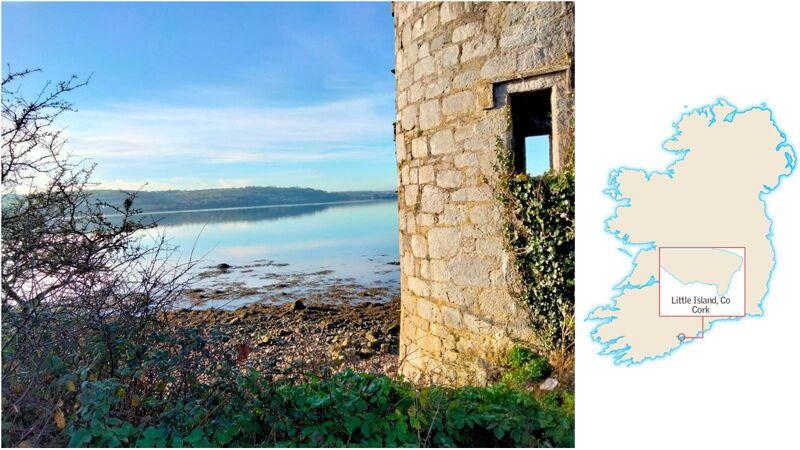
Carrigrennan Mill, Little Island in Cork Harbour
The year is 7,000 BC. Imagine you are a hunter gatherer in the mesolithic period in Ireland and you make landfall in your dugout canoe at a wooded island in a huge harbour. The climate is benign enough to allow a sheltered camp to be established — and with ample fishing and smalls animals to hunt in the woods, food supply will not be an issue. After a time you notice other settlements on other islands in the harbour: nearby at Brown Island, Harper’s Island and Great Island.
This type of scenario is attested by the discovery more than 100 years ago of several middens — basically giant refuse tips where the camp occupants discarded oyster shells, primarily. It is unlikely that these hunter-gatherers developed permanent settlements as no evidence has been found that they did.


CONNECT WITH US TODAY



Be the first to know the latest news and updates

![<p> The International Union for the Conservation of Nature says that “an ecosystem is collapsed when it is virtually certain that its defining biotic [living] or abiotic [non-living] features are lost from all occurrences, and the characteristic native biota are no longer sustained”.</p>](/cms_media/module_img/9930/4965053_12_augmentedSearch_iStock-1405109268.jpg "<p> The International Union for the Conservation of Nature says that “an ecosystem is collapsed when it is virtually certain that its defining biotic [living] or abiotic [non-living] features are lost from all occurrences, and the characteristic native biota are no longer sustained”.</p>")
