Irish zoologists discover new species of sunbirds
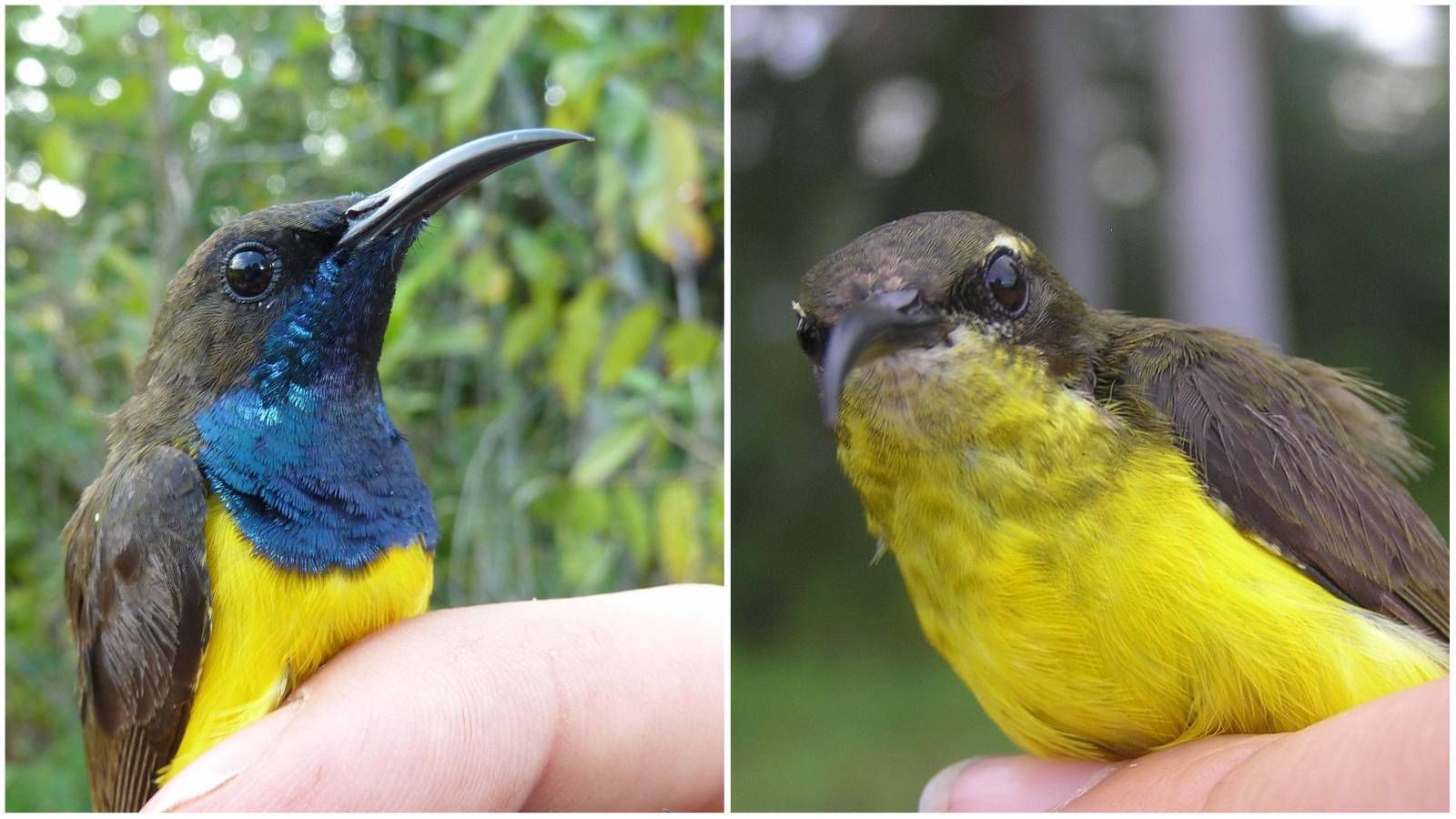
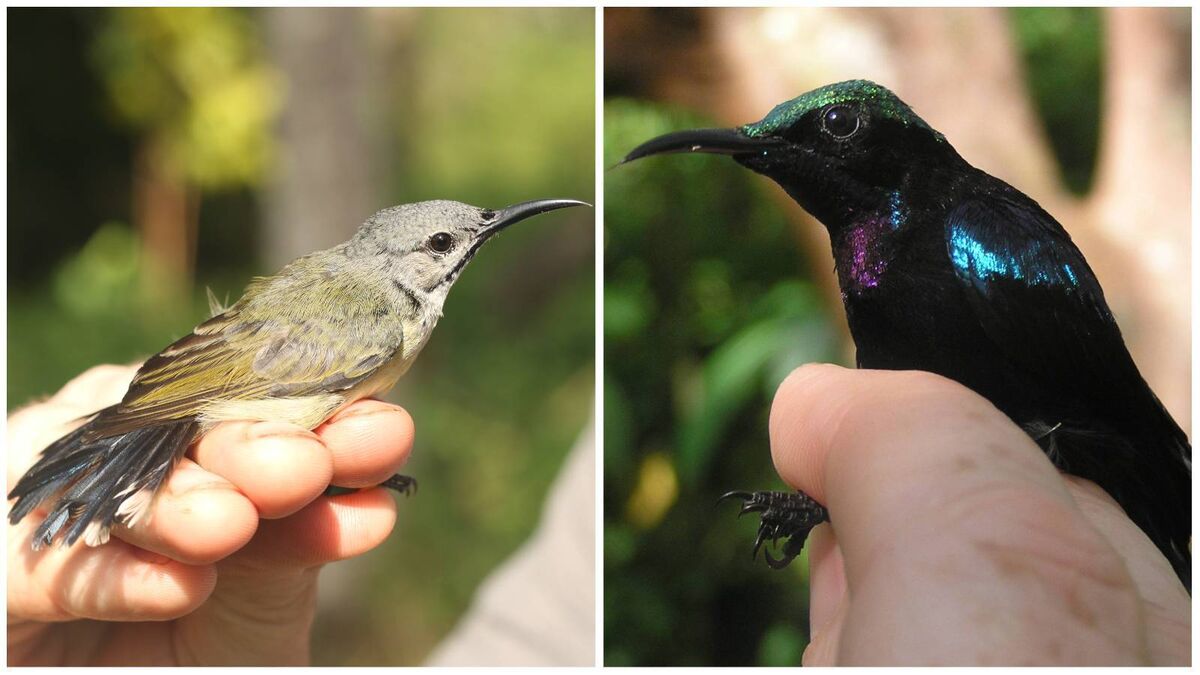
Wakatobi sunbird — male and female (Cinnyris infrenatus) discovered by Zoologists from Trinity College Dublin. All pictures: David Kelly and Nicola Marples, Trinity College Dublin
Irish zoologists have found several new species of colourful, tropical sunbirds.
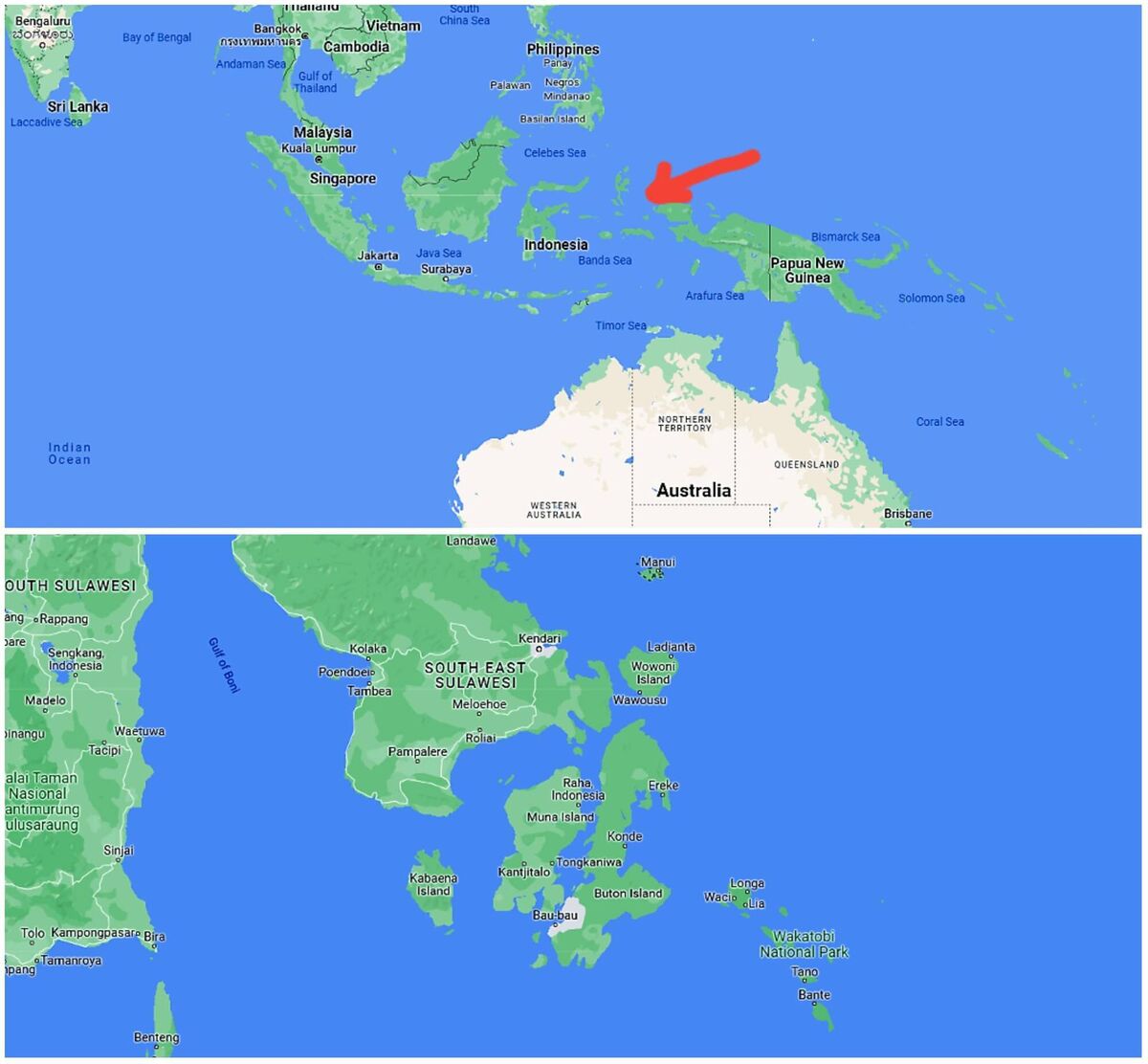
The new species identified by the Trinity College Dublin zoologists, who worked with a research team in Indonesia, is the Wakatobi Sunbird (Cinnyris infrenatus). It lives on the tiny Wakatobi Islands in central Indonesia.
The zoologists have also examined the more widespread Olive-backed Sunbirds and Black Sunbirds and found that birds thought to belong to these species actually belonged to multiple unrecognised species.
This is the song of a Wakatobi Sunbird, recorded on Kaledupa, one of the Wakatobi Islands.
The findings by researchers from Trinity’s School of Natural Sciences and from Universitas Halu Oleo in Sulawesi, Indonesia, has just been published in the Zoological Journal of the Linnean Society. This journal was the first to publish the evolutionary theories of Charles Darwin and Alfred Russel Wallace back in 1858.
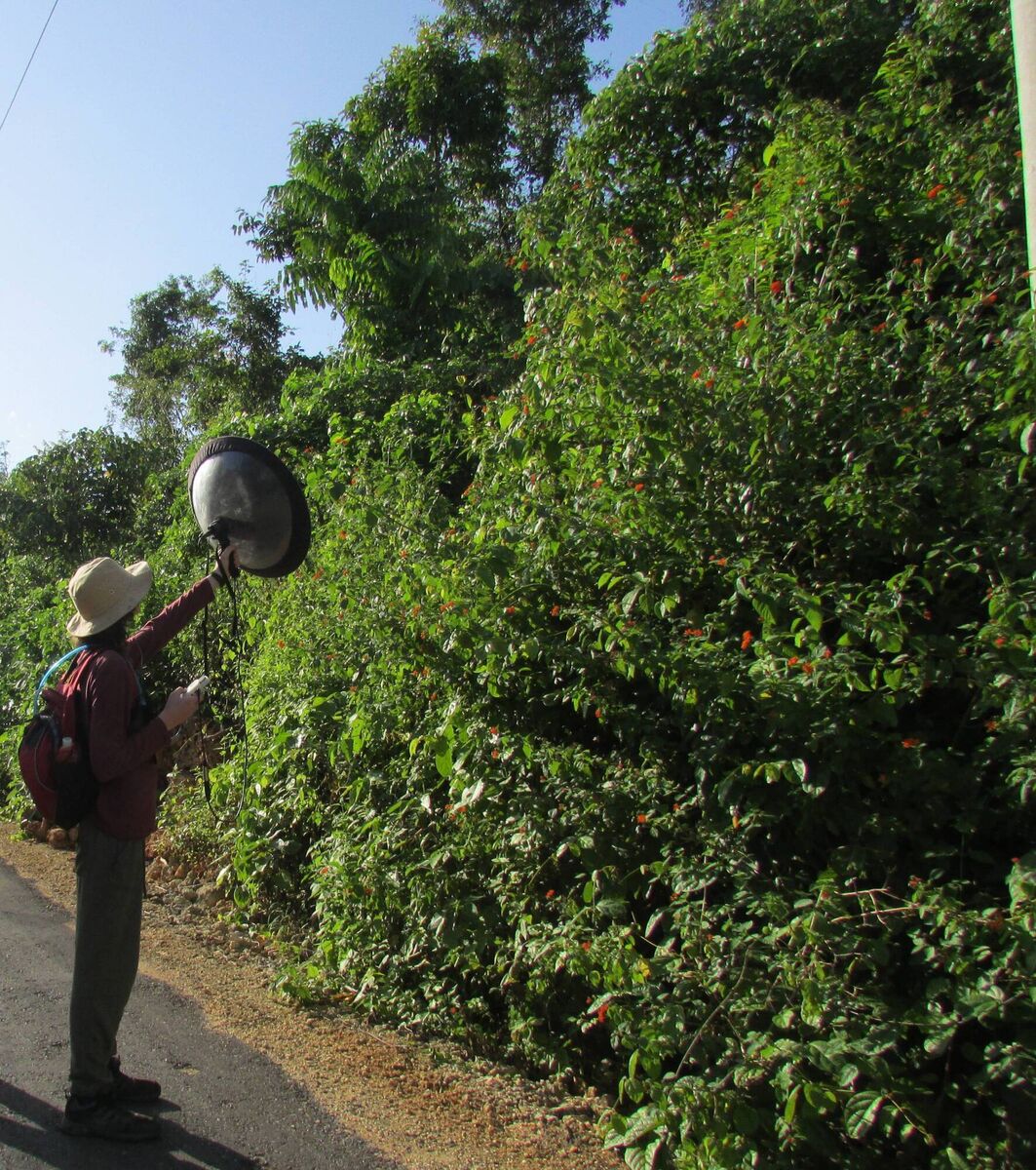
Fionn Ó Marcaigh, first author on the paper and a PhD Candidate in Trinity’s School of Natural Sciences, said: "It’s amazing that there are still species waiting to be found in this region, which has been important to evolutionary biology since the time of Wallace."
Living in the tropics from Africa to Australia, sunbirds look similar to the American hummingbirds. Male sunbirds often have bright plumage, with iridescent or 'metallic' feathers that shine in the sunlight.
For hundreds of years zoologists have examined sunbirds’ plumage to name species, more than 140 of which are currently recognised. However, by using new forms of evidence, including DNA, song recordings, and statistical analyses of body measurements, the zoologists have revealed that this family is even more diverse than had been realised.
Previous work from the Trinity School of Natural Sciences identified two species of white-eye birds from the same area, which has been recognised by international conservation organisations as a Key Biodiversity Area.
As well as being genetically unique, the Wakatobi Sunbird also has darker plumage, a higher-pitched song, and shorter wings than the Olive-backed Sunbird. Its short wings probably contributed to its remaining isolated on the Wakatobi Islands while the Olive-backed Sunbird was undertaking long-distance colonisation over the sea.
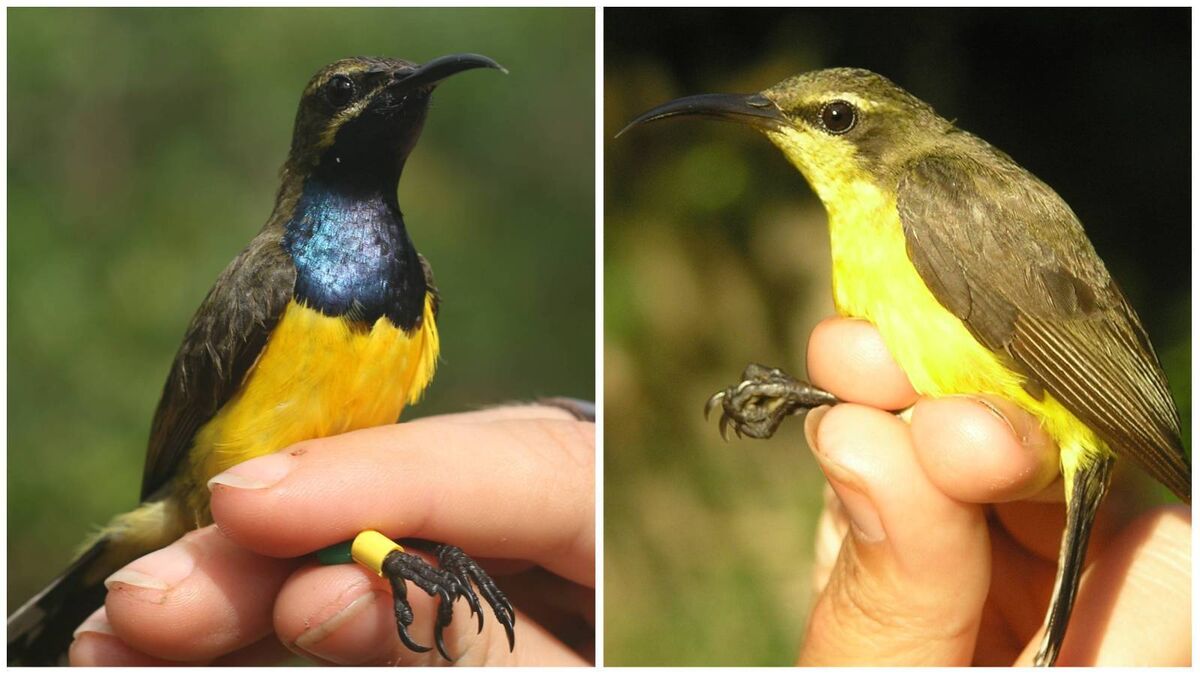
Ó Marcaigh noted: “One of Wallace’s major findings is referred to as ‘Wallace’s Line’ — a boundary between deep and shallow seas that many animals have been unable to cross, leading to marked differences in the species found on either side. The widespread Olive-backed Sunbird appeared to be an exception, being found all the way from China to Australia with Wallace’s Line right in the middle of its range. The new study, however, has shown that the populations on either side actually represent two different species, in keeping with Wallace’s original predictions. The Black Sunbird was already known to be subject to Wallace’s Line, but the new research has shown that the population around Sulawesi is a separate species from the one in New Guinea.”
Despite this split, the Olive-backed Sunbird covers quite a wide range for such a small bird. The newly discovered Wakatobi Sunbird, on the other hand, is restricted to the tiny Wakatobi Islands, off the coast of the larger Sulawesi. Small, isolated islands like these have their own evolutionary processes, and these often produce unique species, as in the famous case of the Galápagos.
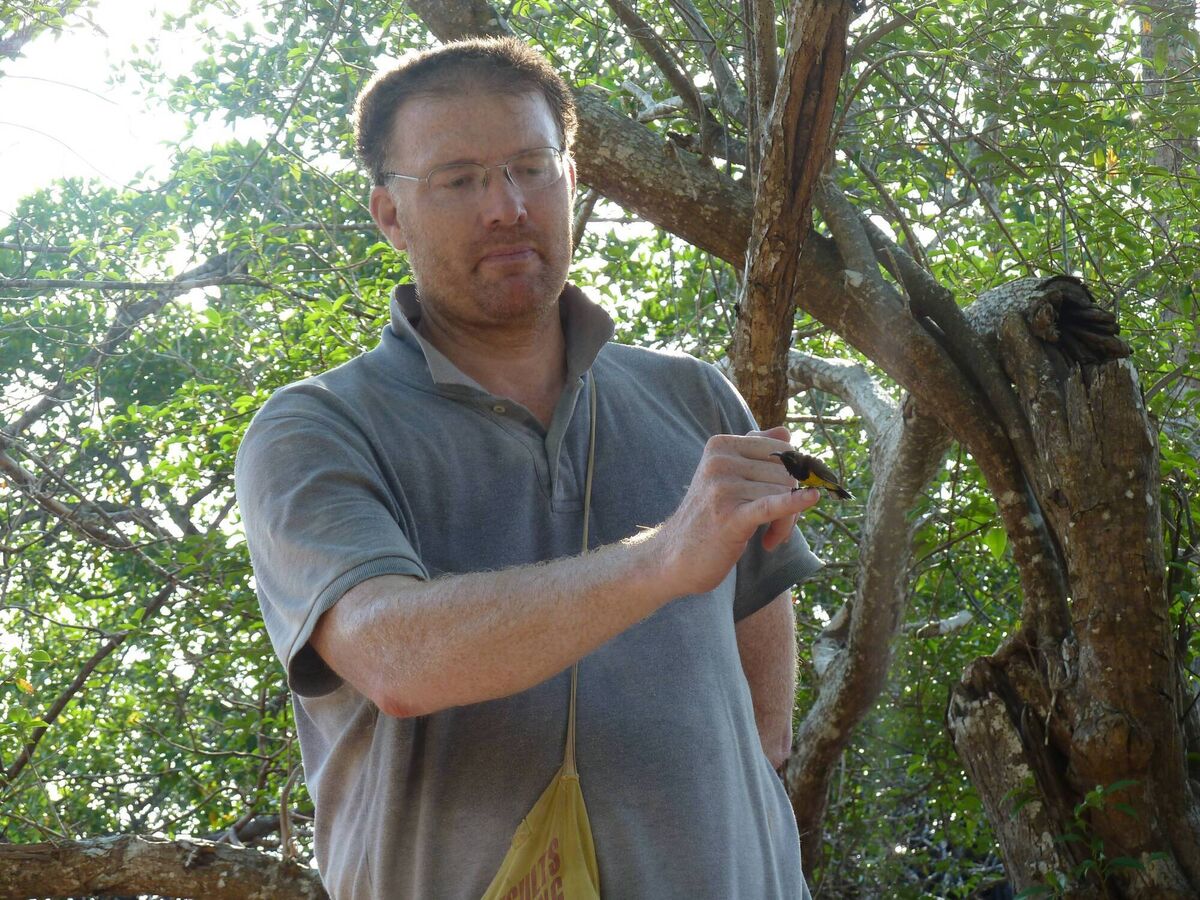
Dr David Kelly, Trinity, second author on the paper, said: “The identification of the Wakatobi Sunbird serves to remind us that biodiversity is everywhere. This bird wasn't found in a remote rainforest, but along the scrubby margins of busy towns and villages. Let us hope the children of the Wakatobi will be able to enjoy these special birds for generations to come.”
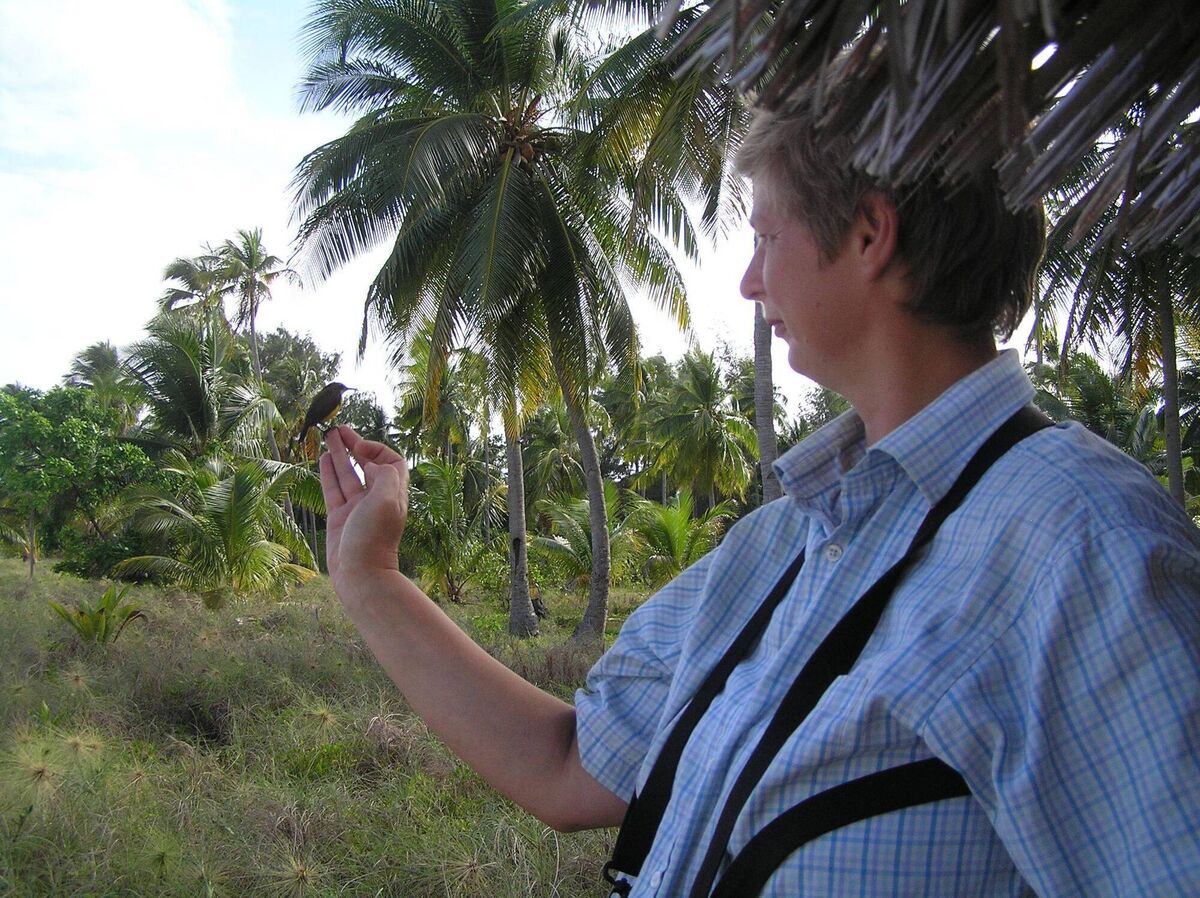
The research was completed with the support of the Irish Research Council. The full paper is here.
And a more detailed summary on the EcoEvo@TCD blog.

WHAT IS...
Biodiversity
...Read more
CONNECT WITH US TODAY



Be the first to know the latest news and updates