5 pollution-busting trees to plant
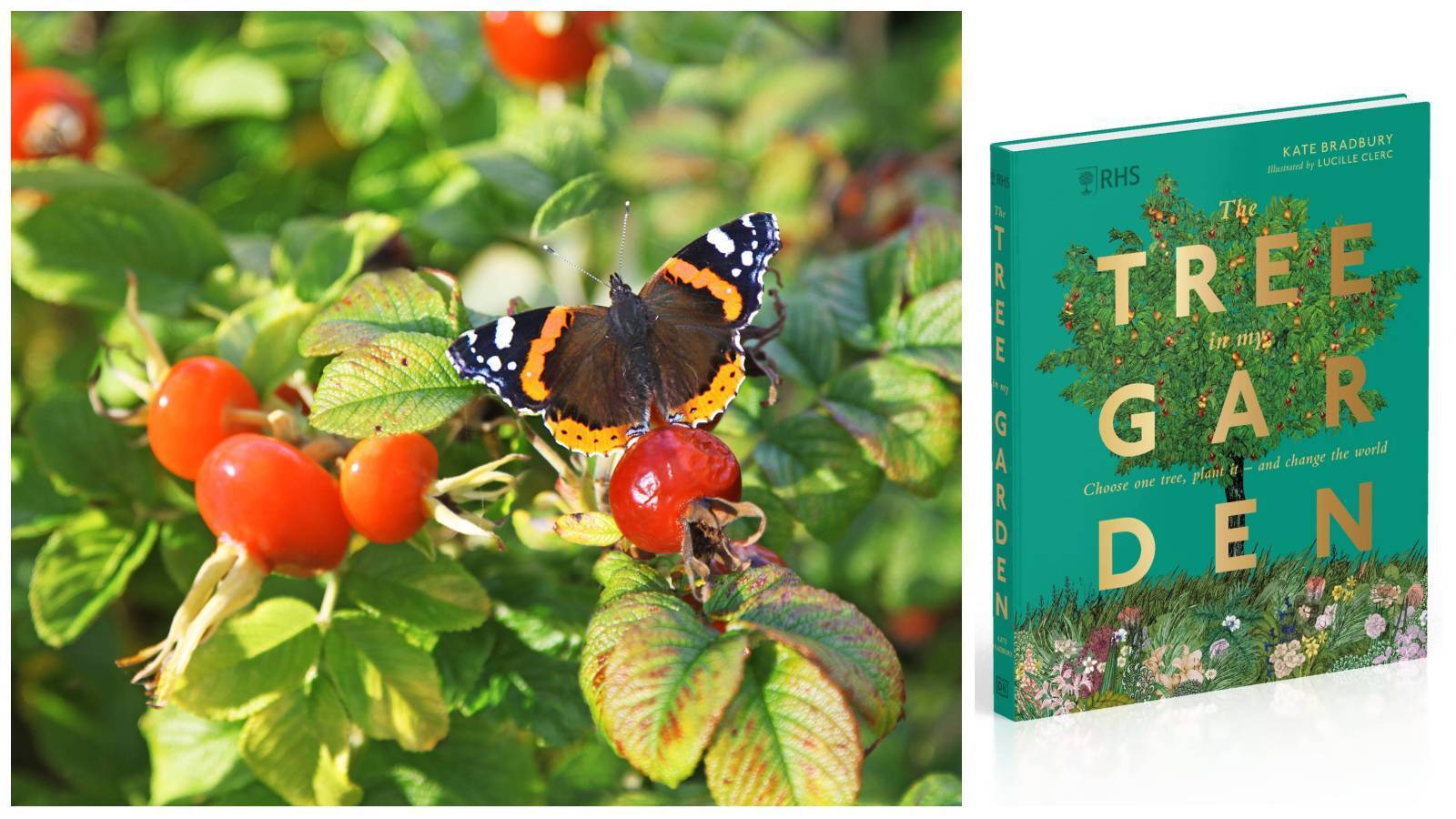
Combined, our gardens have the potential to become a wildlife reserve in their own right, says gardening expert, award-winning wildlife author and Royal Horticultural Society ambassador Kate Bradbury
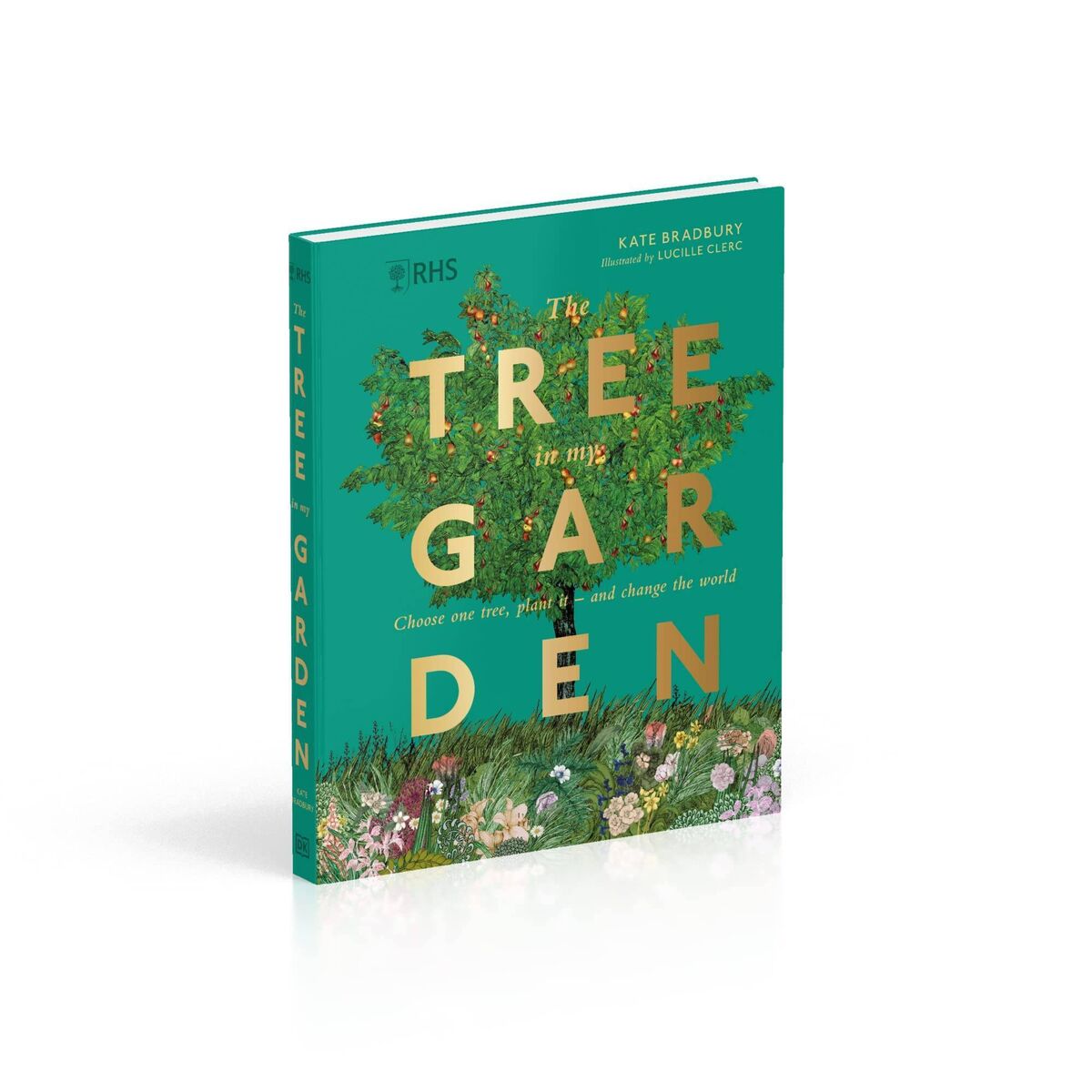
Gardening expert, award-winning wildlife author and Royal Horticultural Society ambassador Kate Bradbury has written a new book, , in which she has curated a collection of 50 trees packed with information about appearance, care needs, carbon capturing ability and the wildlife they support.
This could be handy for environmentalists intent on reducing carbon footprint — or a budding gardener looking to choose the best tree for your outdoor space.
The 2020 Programme for Government (PfG) committed Ireland to reducing our carbon emissions by 51% by 2030 and becoming a carbon-neutral country by no later than 2050.
In December, we published the Climate Action Plan 2021, our roadmap for delivering on this commitment.
One of the actions listed in the Plan is: "Promote ecosystem restoration and conservation through ... investment in actions that increase carbon sinks while promoting biodiversity e.g., woodlands, bogs, soil management, hedgerows".
Bradbury imagines the effect it could have if a tree or hedge was planted in every garden. She says: "As the old Chinese proverb goes, 'The best time to plant a tree was 20 years ago. The second best time is now'. Combined, our gardens have the potential to become a wildlife reserve in their own right."
Here, Bradbury offers five of her favourite pollution-busting trees, some of which can often be grown as hedges to keep the pollution and traffic noise out — and welcome wildlife in.
These slow-growing and relatively compact trees are perfect for small gardens, she says, thriving in full sun.
"It's an ancient tree, dating back 270 million years, which has survived climate change and extinction previously. It has beautiful leaves which go yellow in autumn and it's very tolerant of pollution so can grow in very urban areas. Neither a broad-leaf tree or a conifer, it's like a fossil of former times.
"It grows to 10metres over around 20 years and isn't fussy about soil, you don't have to prune it and because it's so old, it doesn't have any pests or diseases because all of the things that used to eat it didn't survive."
"You can get really small compact crab apples — you can grow some varieties such as 'Evereste' in large pots. 'Aros' is a new dwarf crab apple growing to a maximum height of 3m and has almost black foliage, dark pink flowers and red crab apples."
The Tree in My Garden lands on Thursday! Here's my first #treeoftheday, illustrated by @LucilleClerc. The apple has flowers for pollinators, leaves for moths, fruit for us (but pls share with birds and insects). It's versatile – some can be grown in a pot: https://t.co/pyJlq2RxW5 pic.twitter.com/8BJGX5h7N7
— Kate Bradbury 🏳️🌈 (@Kate_Bradbury) September 6, 2022
"The beautiful blossom is invaluable to pollinators" she notes, adding that any deciduous tree is good at busting pollution because the leaves absorb the pollution and then when they shed the leaves in autumn the pollution is removed from the air."
This is such a versatile tree and could be grown as part of a hedge, or as a standard or as a shrub or small tree, she says. It grows quickly so will soon fill its space. Trim hazel hedges in late winter, before growth starts in spring. Never let the soil around hazel dry out completely — water in very dry weather if there is a long, dry spell.
Explaining the added benefits of hedging trees of all kinds, she said: "The point about hedges is that they are at the same height as the pollution so if you think about cars on a main road, if you have a really tall tree it's not going to absorb the same level of pollution as, for example, a hedge. Because of its density the pollution is caught more on the leaves. Hedges are the most pollution-busting varieties."
On Hawthorn, she notes: "These can be grown as trees or hedges, and are quite small-leaved, so are pretty dense."
They are also thorny, so will deter burglars, while pollinating insects love the flowers and birds enjoy the berries.
"This is a very good pollution-busting tree with very small leaves, which gives you a greater density of surface area to absorb pollution. If you grow yew as a tree it can be enormous, but you can grow yew as a hedge."
"It depends how tidy you are. I give my hedge a trim about twice a year but I let things go shaggy and the more shaggy you grow your hedge, the more it's going to be able to absorb pollution because it will have lots of little pockets to trap particles.

"And if you grow a native hedge you are going to have butterflies and moths laying eggs on it, so too much tidying means you are in danger of pruning away those eggs and caterpillars. You also get birds nesting — and it's illegal to disturb birds' nests — so a quick trim in very early spring, just before birds start nesting, and another after nesting season, or just once a year, is fine."
* by Kate Bradbury is out now, priced £20 (approx €22).

CLIMATE & SUSTAINABILITY HUB
CONNECT WITH US TODAY



Be the first to know the latest news and updates