Anja Murray: Some easy ways to help ensure we see more butterflies flutter by
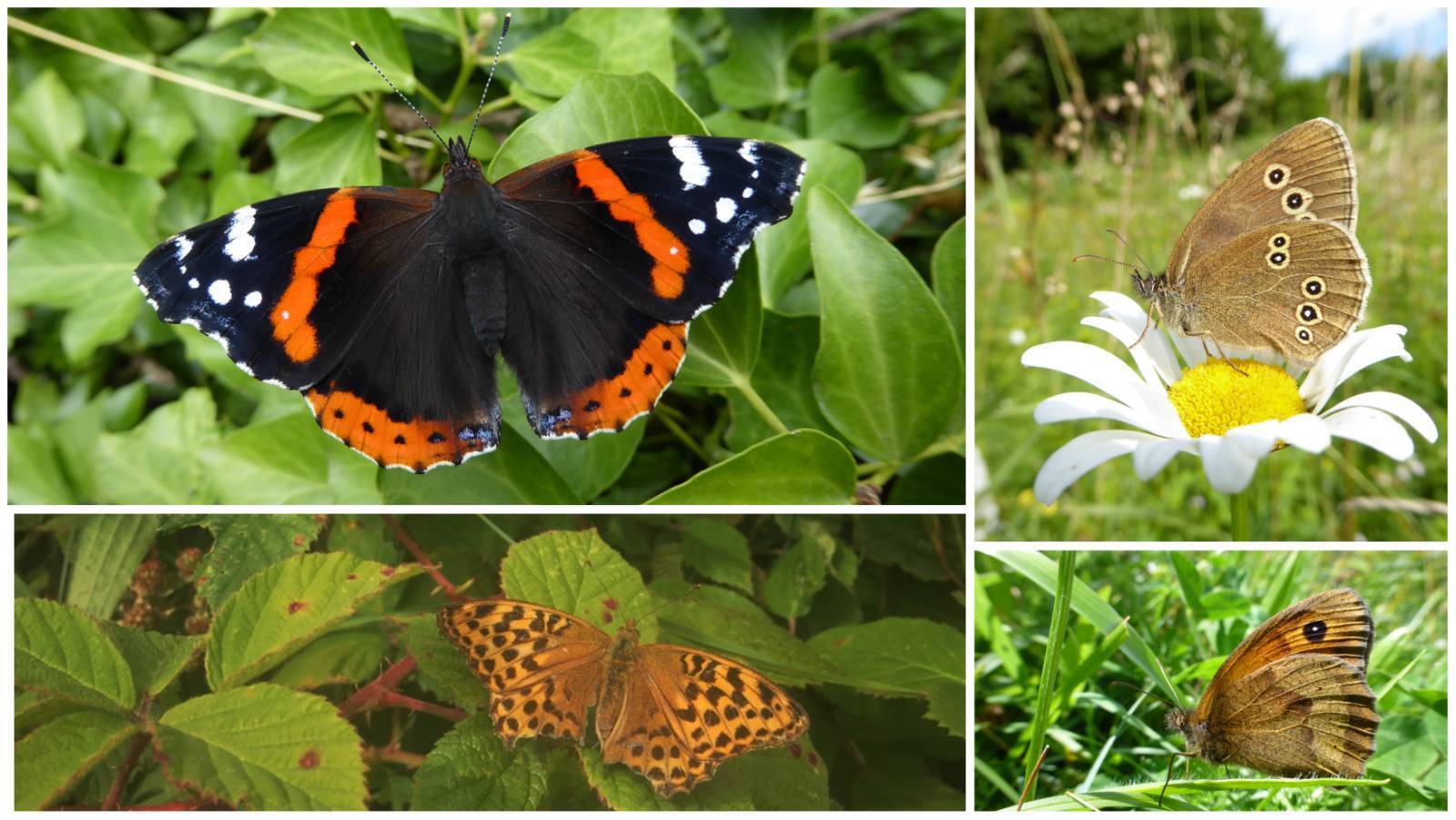
Irish butterflies: the biggest losses of butterflies have come about from changes in the general countryside, where wildflower-rich habitats have been eviscerated in favour of highly productive monocultures
Butterflies are stunning creatures. We love to see them flitting about in our gardens, sunning themselves on a leaf of a dappled light of a woodland, and fluttering about over flower-filled habitats. Warm weather in August and September is a super time to see some of the more common butterflies on the wing.
Adult butterflies drink nectar from flowers. But when a butterfly approaches a flower, they see a different pattern than what we see. Butterflies, along with many other insects, can see ultraviolet wavelengths of light. A flower that looks plain pink to us, will often appear to a butterfly with delicate patterns of dark and light colour that we cannot see. Some have special ‘landing strips’ marked in their petals, guiding the incoming pollinators to stores of nectar at the centre of the flower.
Ireland has about 35 native butterfly species. Some are specialists: their lifecycles so particular that they can only survive in specific habitat conditions. Others are general countryside butterflies, adapted to a variety of habitats.
One of the most familiar is the Small Tortoiseshell butterfly. This species produces two generations each year, the first hatch from eggs laid in April and May which become flying adults by July. These then lay eggs which then emerge as adults in late August and hibernate from October until March the following year.
Peacock butterflies have similar colouring to the small tortoiseshell and are also abundant during August and early September. Peacock butterflies easily recognisable by the four big cosmically coloured ‘eyespots’ on their upper wings.
One of the things that makes butterflies so beautiful is their colourful wing patterns. Colours are produced by a combination of colour pigments and ‘structural’ colours. Structural colour is where microscopic features, rather than pigments, create the colour by reflecting light in particular wavelengths. Both the Peacock and Tortoiseshell have shimmering iridescent blues in parts of their patterned wings, a structural optical effect whereby light waves bouncing off the wing are reflected differently depending on the viewpoint of the observer.
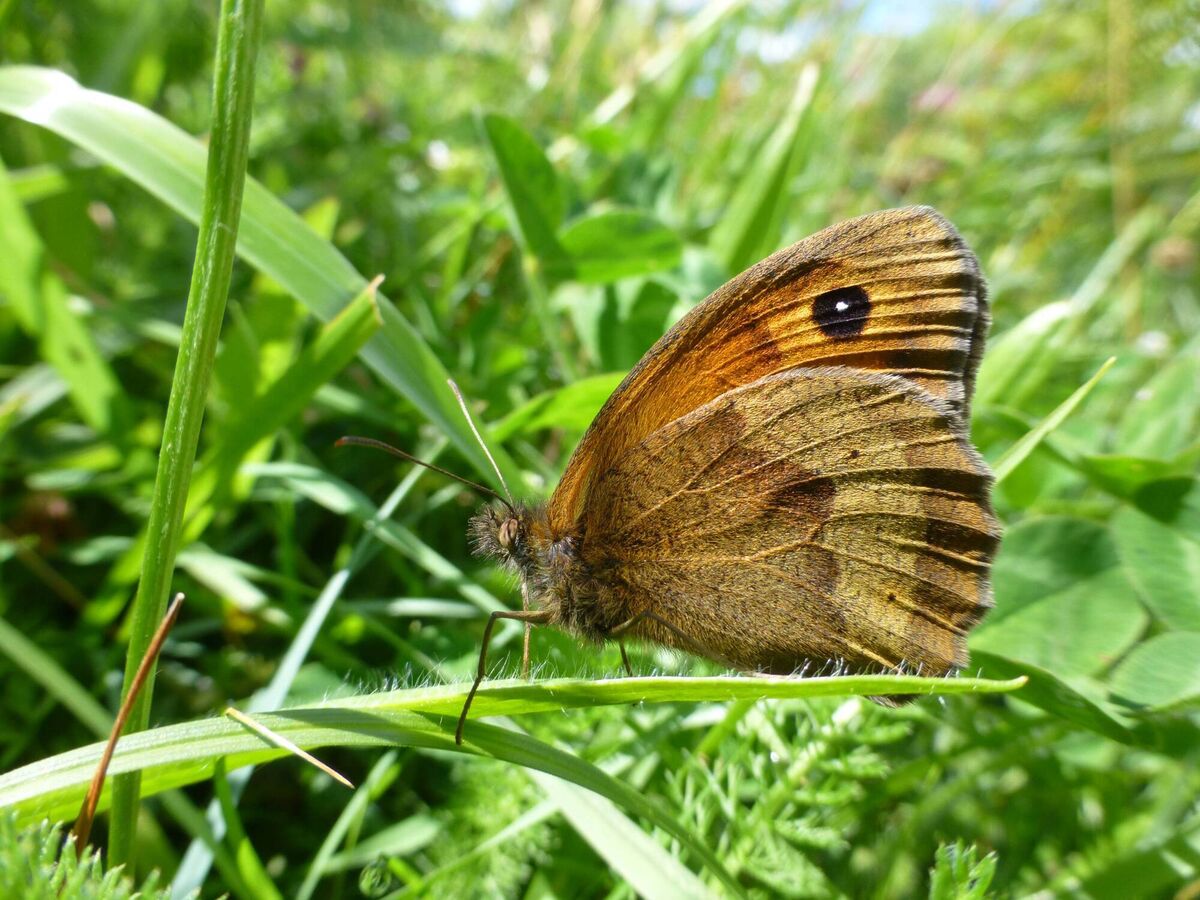
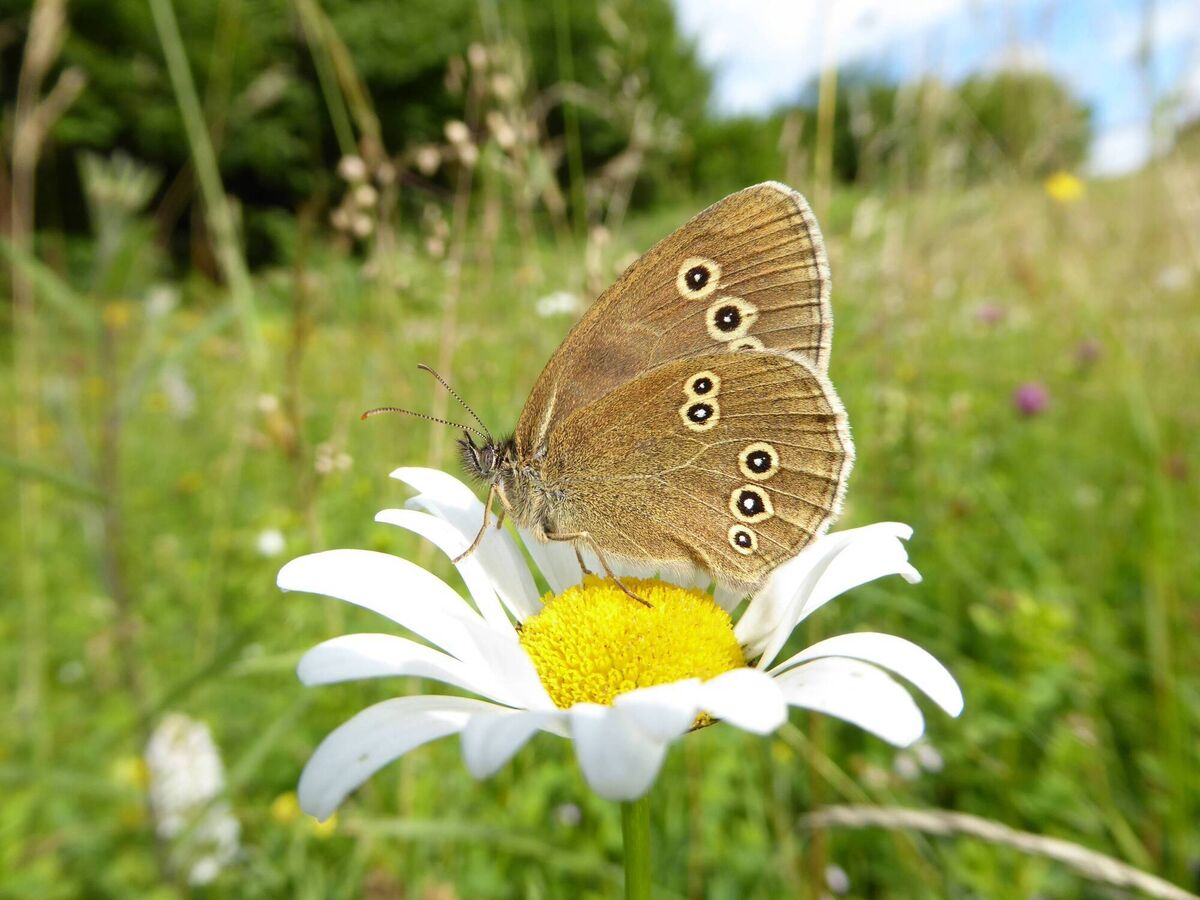
Other butterflies of the general countryside that can be seen at this time of year include stunning Common Blue; highly territorial Small Copper; conspicuous Small White; delicately spotted Ringlet; ubiquitous Meadow Brown, and Red Admiral.
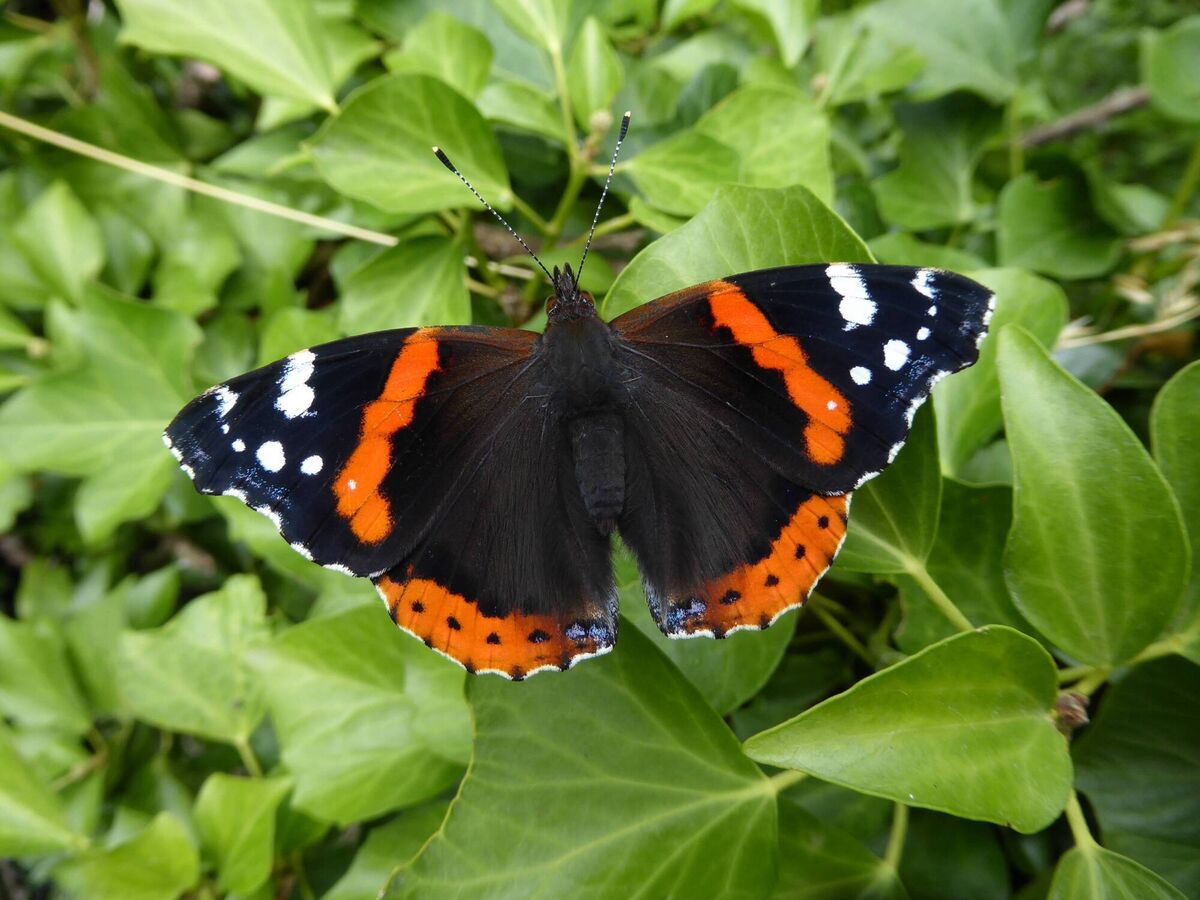
The Red Admiral is a striking butterfly that migrates here all the way from southern Europe and North Africa each May and June to breed in our Irish nettles. When the caterpillars first emerge, they make themselves a sheltered tent by fastening a young nettle leaf around themselves and spinning a silken thread to fasten the leaf over. Over a few weeks, as they grow, they make a succession of tents to feed safely within. Only when about to pupate do they make a much bigger shelter for themselves at the top of a nettle, bending the stem over and binding several leaves together with silken thread. Inside this shelter, the chrysalis stage of their lifecycle lasts about 18 days, after which a beautiful winged adult emerges.
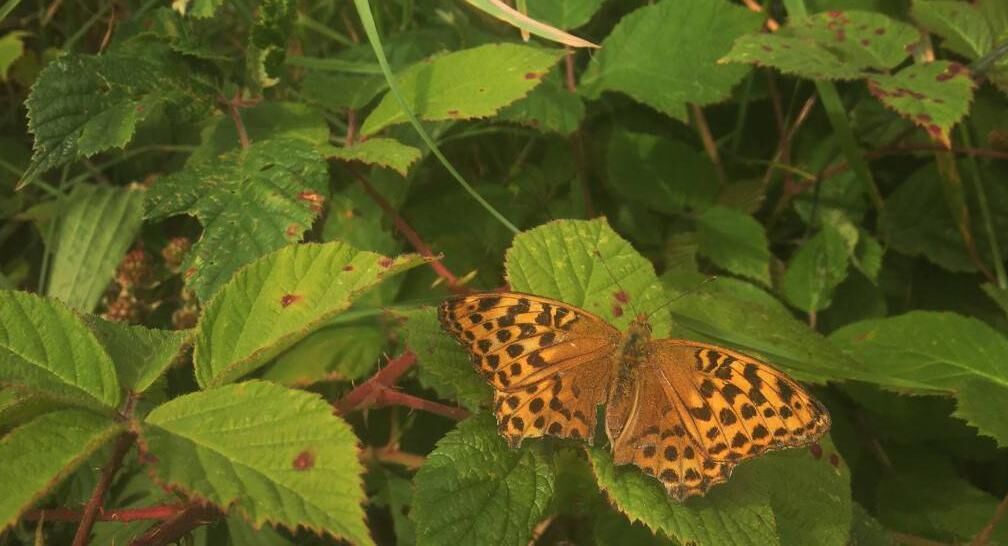
One of my favourite butterflies is the eye-catching Silver-washed Fritillary — Ireland’s largest butterfly. Lately, I’ve been seeing these a lot, hanging out on bramble leaves. Silver-washed Fritillaries are bright orange with beautiful brown wing patterns. They live in broadleaved woodlands where they lay their eggs in sunny spots above wild violet plants. Once the egg hatches, the caterpillar spends the winter on a tree trunk, hibernating until spring arrives.
Like the Silver-washed Fritillary, each butterfly species has a set of special habitat needs. Most species have a specific larval food plant, which is often the only plant species they lay their eggs on. Before laying the eggs, the mother lands on a leaf to make sure she’s about to lay on the right plant species, which she does by tasting it through the taste organs on their feet! Then, when little caterpillars emerge from their egg, they don’t have to travel to find food but are surrounded with the exact right leaves that they are specially adapted to eat.
Sometimes we find caterpillars annoying, especially if they chomp through a row of brassica plants in the vegetable garden. If you like butterflies and enjoy seeing their stunning colours gracing the garden and fluttering about through the countryside, it’s good to remember that they spend most of their lives as caterpillars, dependent on native trees and the less glamourous wildflowers that we see about.
There are many things one can do to help butterflies. Mowing the lawn a whole lot less is a kindness for all insect life, including grasshoppers, bees and butterflies. Perhaps even rethink if you really need a lawn, as a manicured lawn is a desert for wildlife — as well as a huge amount of unnecessary effort for yourself. Think instead of a hay meadow full of wild plants, where the colour palette changes through the year, and an abundance of insect life, in turn, supports wild birds and other animals.
Planting or otherwise accommodating native trees is another way to support butterflies and other wildlife. Native trees support biodiversity, species such as birch, willow and hazel make a gorgeous addition to any garden and provide habitat to a huge diversity of life.
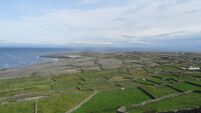
But the biggest losses of butterflies have come about from changes in the general countryside, where wildflower-rich habitats have been eviscerated in favour of highly productive monocultures. Across Europe, grassland butterflies have declined by almost 50% since 1990, reflecting a dramatic loss of grassland biodiversity. Ireland is no exception to this trend. Intensively managed fields of perennial rye-grass, ever more common now across swathes of the countryside, are green deserts for butterflies and other wildlife. Recent agricultural intensification across Ireland has left the landscape depleted of colour, character and wildlife. Conservation and habitat restoration is now more urgent than ever.
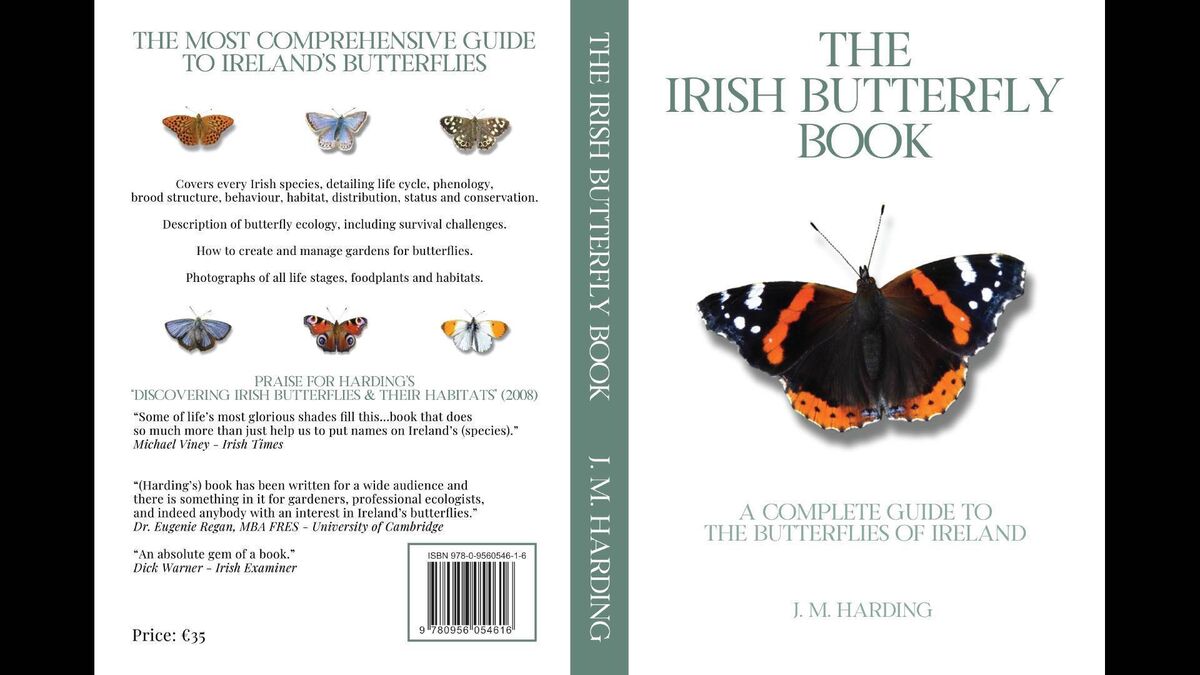
If you’re keen to find out more about Ireland’s butterflies, there is loads to discover in by Ireland’s foremost authority, Jesmond Harding. The book was published just last year and is packed with fascinating details about each species, as well as site guides and how to garden for butterflies. Brimming with beautiful photographs too, this is a special book indeed. I hope that some of the author’s enthusiasm incites a wider appreciation of butterflies, so that these and other related components of Ireland’s wonderful wildlife may face a brighter future than what is currently on the cards.

CONNECT WITH US TODAY



Be the first to know the latest news and updates