Richard Collins: We can use 'consumer activism' to encourage change
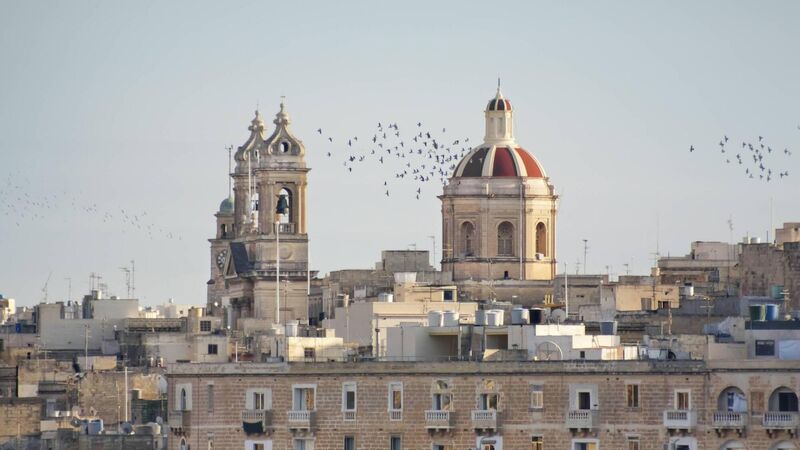
Birds flying over Valletta harbour in Malta. Richard Collins visited the island ahead of a referendum on spring hunting
Europe must wean itself off Russian oil and gas. It’s a moral imperative. Putin’s brutal assault on Ukraine has brought the ethics of the marketplace into focus as never before. Every purchase has political implications; we ‘exercise the franchise’ not only at the ballot box, but also in the supermarket. Ireland pioneered a version of ‘consumer activism’; thanks to the Land League, Charles Boycott’s name entered the lexicon.
Malta and Cyprus are vital staging posts for birds crossing the Mediterranean in spring and returning to Africa in the autumn. The unfortunate migrants, exhausted from their long flights, face a ruthless enemy. Armies of hunters, armed with guns mist-nets and bird-lime, lie in wait for them. Hundreds of thousands of birds, including species nurtured by conservationists in Europe, are slaughtered mindlessly. European Union directives demand an end to the massacres, but the destruction continues.
I had resolved never to visit either island, but in 2013 there were signs of repentance in Malta; petitions were being organised. Public opinion seemed to be changing. A referendum on spring hunting, to be held in 2015, would surely succeed. I could visit Malta and Gozo with a less troubled conscience. How wrong I was.
The 7ha Ghadira nature reserve in the north of the country is a Special Area of Conservation and a Ramsar site. It was closed to the public when I was there and fortified like an armed camp. The hostility of some locals to a foreigner wearing binoculars was palpable. I was subjected to a tirade of abuse by a local man as I walked along the public road adjoining the reserve. Later that autumn, the referendum proposal was rejected.
Thinking that the bad old days were over in Cyprus, I visited that island just prior to the Covid-19 pandemic. Attitudes to conservation seemed positive there, nor was there hostility to wildlife tourists in rural areas. However, according to BirdLife Cyprus, the killing of migrant birds not only continues, it is increasing.
The organisation which has monitored trapping levels over the past 20 years claims that 605,000 songbirds were killed last autumn. This is almost twice the number recorded the previous year, although not as many as were killed during the worst year on record; 2016.
Victims are captured in mist-nets, 6.5km of which were deployed last autumn, or die lingering deaths struggling to free themselves from to glue-covered sticks.
Jane Dalton, writing in the , claims that criminal gangs are supplying restaurants that offer culinary ‘delicacies’. The bird massacre is a lucrative black-market business. Thugs harass law enforcement officers. An activist with the Committee Against Bird Slaughter was attacked by masked men and severely injured. A bomb was placed on a conservationist’s car.
The surge in this criminal activity is thought to result from a recent change in the law. In December 2019, the Cyprus government reduced the fines for using nets and birdlime, by 90%. Whereas a penalty of up to €2,000 per bird could be imposed on an offender in the past, it is now only €200. Compared to the amounts criminal gangs make, the fine is trivial.
Scientists estimate that there are 600 million fewer birds breeding in Europe than there were 40 years ago.