Juanita Browne: Why May is the perfect time to visit the Burren
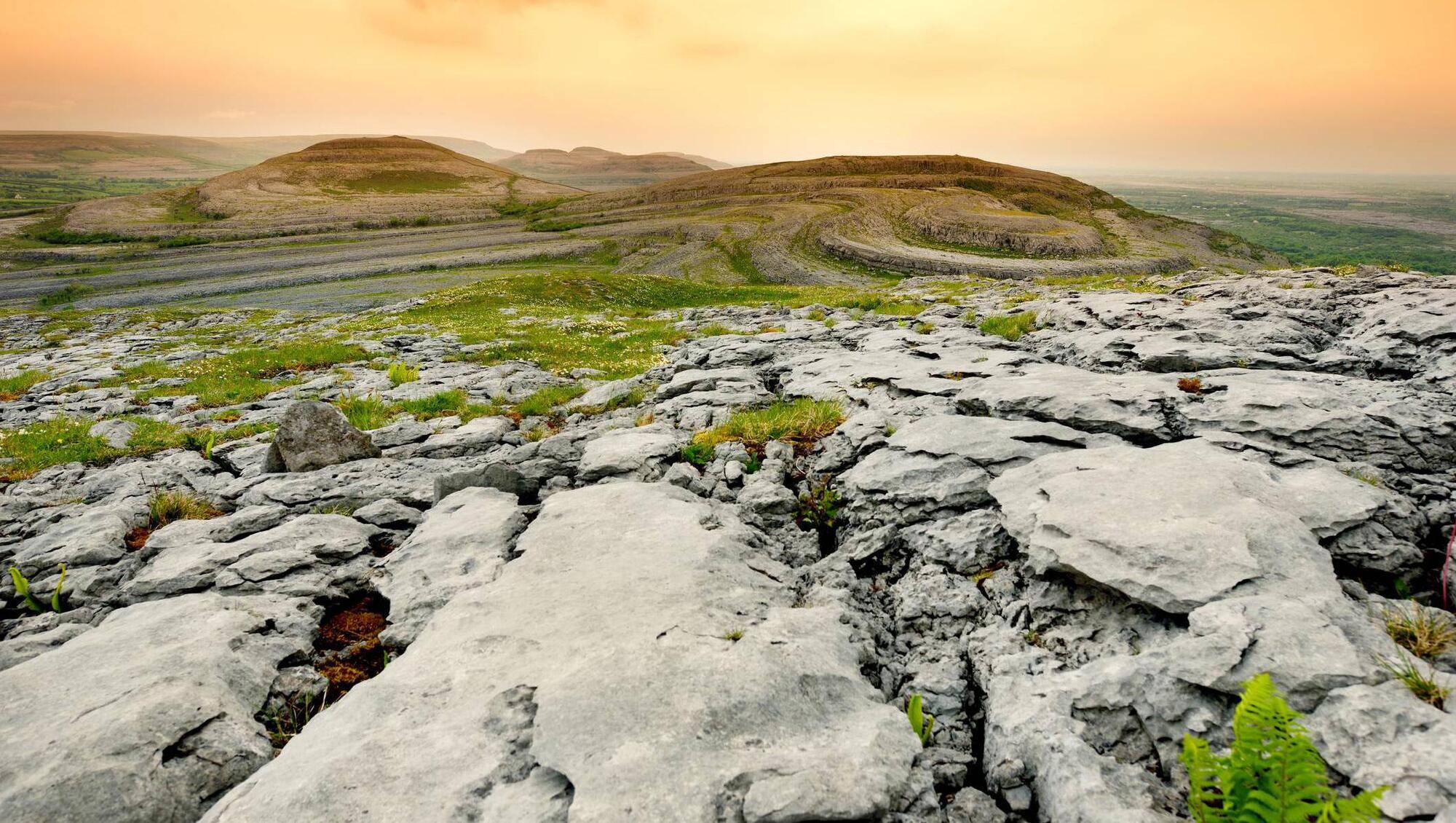
Spectacular landscape of the Burren region of County Clare, Ireland. Exposed karst limestone bedrock at the Burren National Park. Rough Irish nature.
For most naturalists, May is their favourite month of the year – with so many plants in flower, birds busily feeding young, and insects and bats on the wing. So May is the perfect time to visit one of Ireland’s most special landscapes, the Burren in Co Clare.
‘Burren in Bloom’, the annual celebration of the region’s rich biodiversity, returns this May with guided walks, evening talks and family events from Thursday, May 19 to Sunday, May 22 (which is also the UN International Day for Biodiversity).
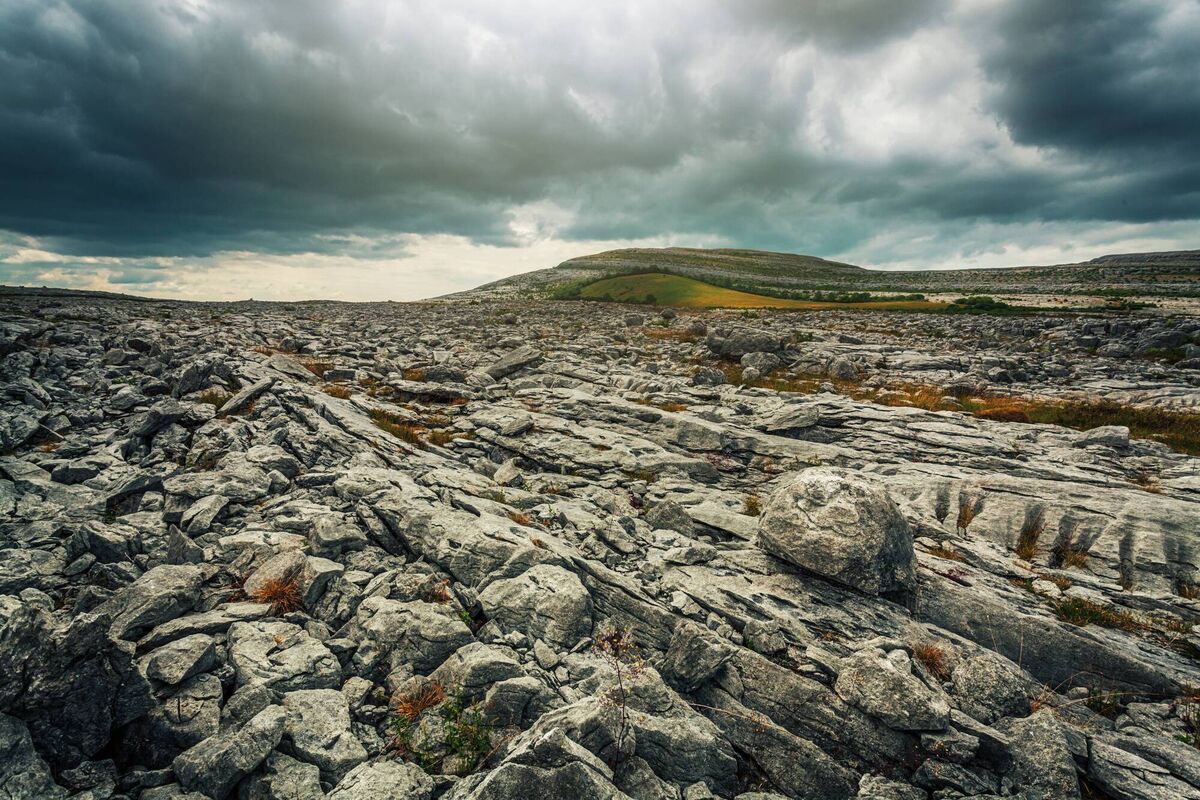
The Burren’s vast limestone pavement, which extends along the shores of west Clare and inland for many miles, makes this a place like no other. Even my teenage sons were awestruck when they first stepped onto this otherworldly surface – ‘It’s like a scene from Star Wars!’ And we all know it’s not easy to impress a teenager.
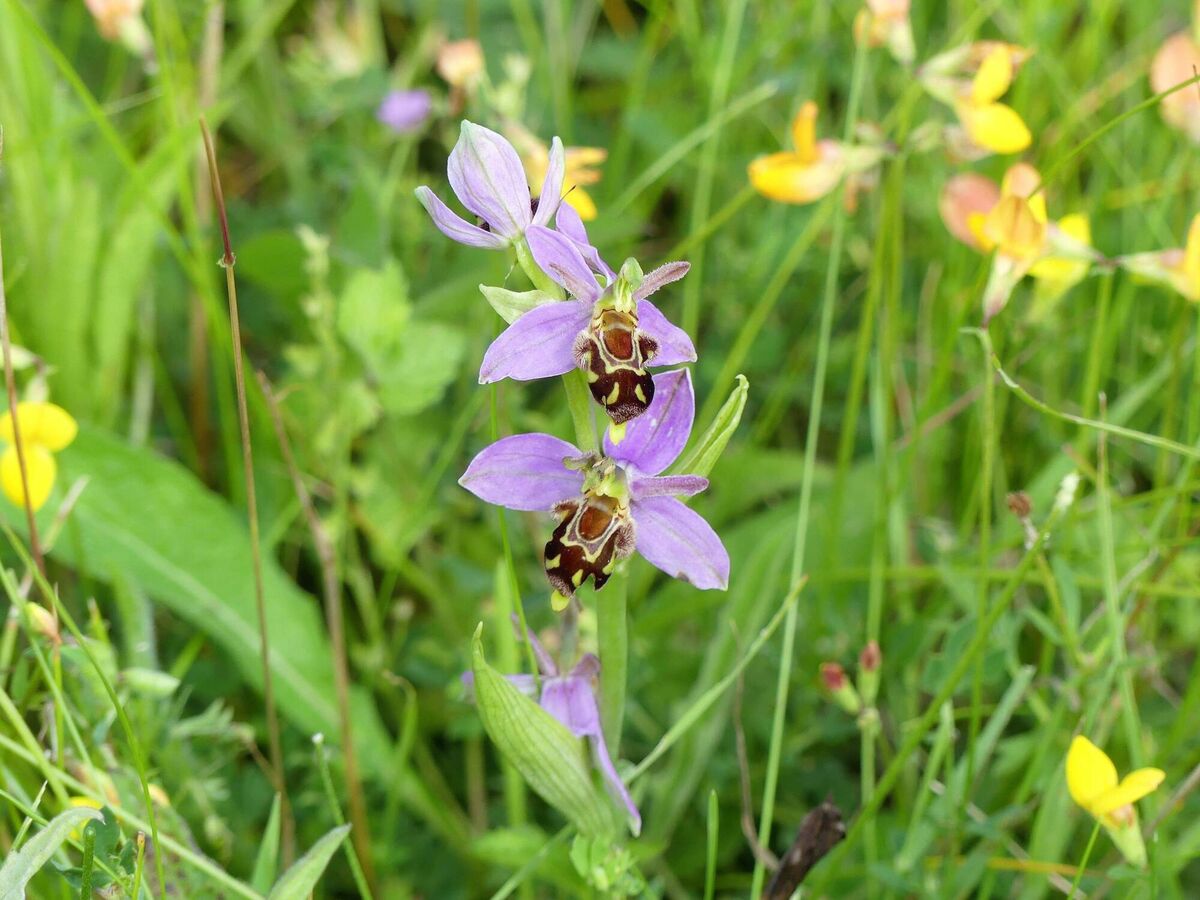
The Burren is a very special place for botanists. Not only is it home to 75% of the entire Irish flora, but you can also find a unique mix of species whose distribution continues to puzzle experts – including Arctic species like the beautiful Mountain Avens, growing side by side with Mediterranean species such as the dense-flowered orchid.
Indeed, 22 of our 27 Irish orchid species are found fairly frequently in the Burren, including the beautiful bee orchid, frog orchid or pyramidal orchid. Nowhere else in Ireland shows such a concentration of orchids.
Its unique flora is due to its geology - the 1000-metre thick block of limestone was laid down through the compaction of billions of seashells and fish skeletons from around 270 millions years ago, when this region lay under the warm ocean for about 80 million years. In places, you can still spot the remains of fossils of corals, ammonites and sea fans on the bare rock.
Travelling about the area, you can also find fields and verges filled with wildflowers, a very unusual sight nowadays in Ireland. The Burren has also been a refuge for animals like the Irish mountain hare, Irish stoat and pine marten, as well as the feral goats you may come across, living their best life on the rocky plains. Of course, the survival of the Burren’s unique flora and fauna is thanks in no small part to an amazing local charity called the Burrenbeo Trust, which works with the local farmers, who are so integral to the careful management of this special place.
Áine Bird, Coordinator of Burrenbeo Trust explains: "Burren in Bloom is more than a celebration, it is an important reminder that the wonder of the Burren’s wildflowers must not be taken for granted. Careful management and continuation of the ancient practice of winterage by hundreds of farmers in the Burren, the scientific and economic support they receive, and the informed pride of the local community in our natural heritage - all play a crucial part in keeping the Burren blooming each year."
Burren in Bloom kicks off with an online talk on the evening of Thursday, May 19 on ‘Nature as a partner - changing attitudes to nature and landscape’ with environmental philosopher Matthijs Schouten. Matthijs, Adjunct Professor in Ecology at UCC, led the Dutch-Irish Bog Conservation Project in the 1970s, which went on to become synonymous with bog conservation in Ireland.
On Friday, May 20, there is a morning walk to explore the ecology and history of Lough Coole at Coole Park; an exclusive workshop at the Burren Perfumery; and an evening welcome session at Tully’s bar in Kinvara, with speakers from near and far, including Solvita Rūsiņa on ‘Latvian meadows in bloom’; and Paul Whelan on ‘Atlantic Hazelwoods and Burren Lichens’.
On Saturday, May 21, multiple walks have been organised to explore butterflies, lichens, gardening for biodiversity and ponds for wildlife. Wildlife artist Gordon D’Arcy will teach children how to draw wild mammals on Saturday afternoon, and Saturday evening offers an opportunity to hear from ecologist Richard Nairn on ‘The magic of Ireland’s native woodlands’ while Jesmond Harding will discuss ‘The Irish butterflies and how they are dealing with a change in our climate’.
Sunday, May 22 will see participants revisit the location of the Burren Winterage Cattle Drive, with a walk up to the winterage pastures to enjoy the arrival of the bounty of wildflowers made possible by the farming practice of winter grazing. ‘Bugs and Blooms’ Family Fun on Sunday morning offers a chance for young participants to investigate the Burren’s biodiversity through games.
Burren in Bloom is coordinated by the Burrenbeo Trust. To find out more, or book events, see www.burreninbloom.com
- Juanita Browne has written a number of wildlife books, including My First Book of Irish Animals and The Great Big Book of Irish Wildlife.
CONNECT WITH US TODAY



Be the first to know the latest news and updates